Exploring the Alps on foot doesn’t have to mean hauling a heavy backpack or sleeping in a tent.
Hut-to-hut hiking offers a different kind of adventure. It is one where you walk through mountain landscapes by day and rest in cosy alpine huts by night.
Hut-to-hut hiking in the Alps
Hut-to-hut hiking involves travelling along mountain trails and staying overnight in staffed huts along the route. These huts are usually positioned about a day’s walk apart, allowing hikers to move through the mountains in stages. One of the best-known routes is the Tour du Mont Blanc, which circles one of Europe’s highest peaks and passes through several countries.
What’s the draw?
One of the biggest advantages of hut-to-hut hiking is how light you can travel. Since meals and beds are provided, there’s no need to carry camping gear or large amounts of food. This makes multi-day hiking more manageable and enjoyable.
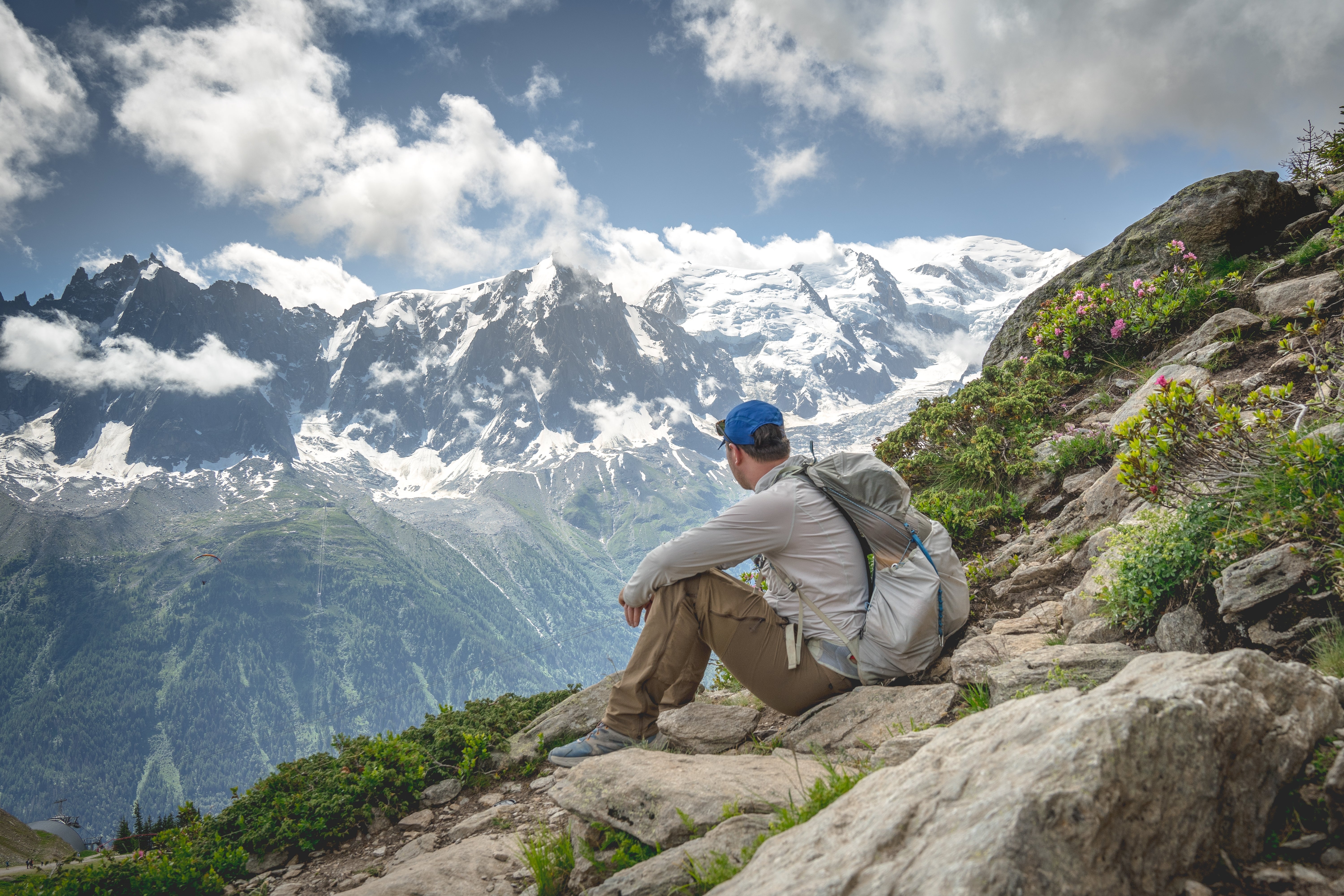
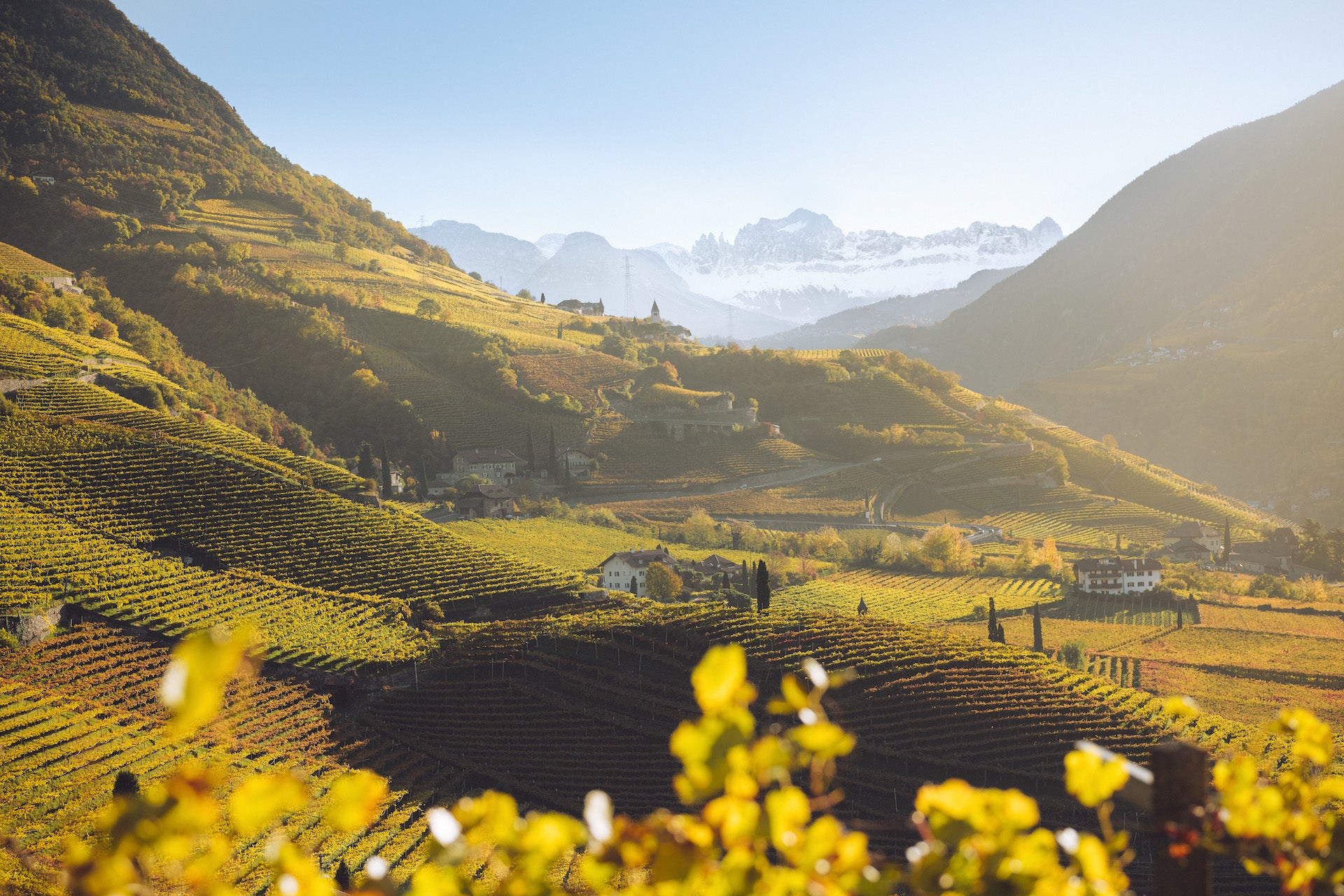
The scenery is another major draw. The Alps are famous for their dramatic peaks, green valleys, and alpine lakes. There’s also a strong social aspect. Many huts have shared dining areas, where hikers gather in the evening to eat, chat and exchange stories from the trail.
Mountain huts range from simple shelters to more comfortable lodges, but most provide the essentials: a bed, usually in a shared dormitory; basic bathroom facilities; evening meals and breakfast; and drinking water. They are often managed by alpine organisations such as the Alpine Club or local groups.
Walking routes
There are many routes to choose from, depending on your experience and fitness level.
Tour du Mont Blanc is a classic route that takes around a week and offers varied scenery across France, Italy, and Switzerland. Alta Via 1 is a popular Italian trail through the Dolomites, known for its striking rock formations. Walker’s Haute Route is a more demanding trek linking Chamonix and Zermatt, with high mountain passes and glacier views.
What’s the best time?
The best time for hut-to-hut hiking is typically between late June and mid-September, when most huts are open and trails are accessible.
Booking in advance is important, especially during the busy summer months. Some routes are very popular and can fill up quickly.
When packing, aim to keep things light but practical. Bring layered clothing, waterproofs, sturdy boots, and a sleeping liner. Snacks, water, and navigation tools are also essential.

Tips for beginners
If you’re new to this type of hiking, start with a shorter or less demanding route. Make sure you’re prepared for several hours of walking each day, often on steep terrain.
Always check the weather before setting out, and be ready to adjust your plans if conditions change. It’s also a good idea to carry cash, as not all huts accept cards.
Summary
Hut-to-hut hiking in the Alps combines allows you to immerse yourself in nature without giving up the basics of food and shelter. With the right preparation, it’s an unforgettable way to discover some of Europe’s most spectacular mountain landscapes.