Engadin St. Moritz Overview
Engadin St. Moritz
- Projected Opening
- Nov 21
- Projected Closing
- May 02
- Lifts
- 59
- Trails
- 88
- Skiable Terrain
- 3,501 ha
- Base
- 1,716m
- Summit
- 3,303m
- Vertical Drop
- 1,587m
- Average Snowfall
- 279cm
- Nov34cm
- Dec63cm
- Jan63cm
- Feb53cm
- Mar47cm
- Apr22cm
Related News


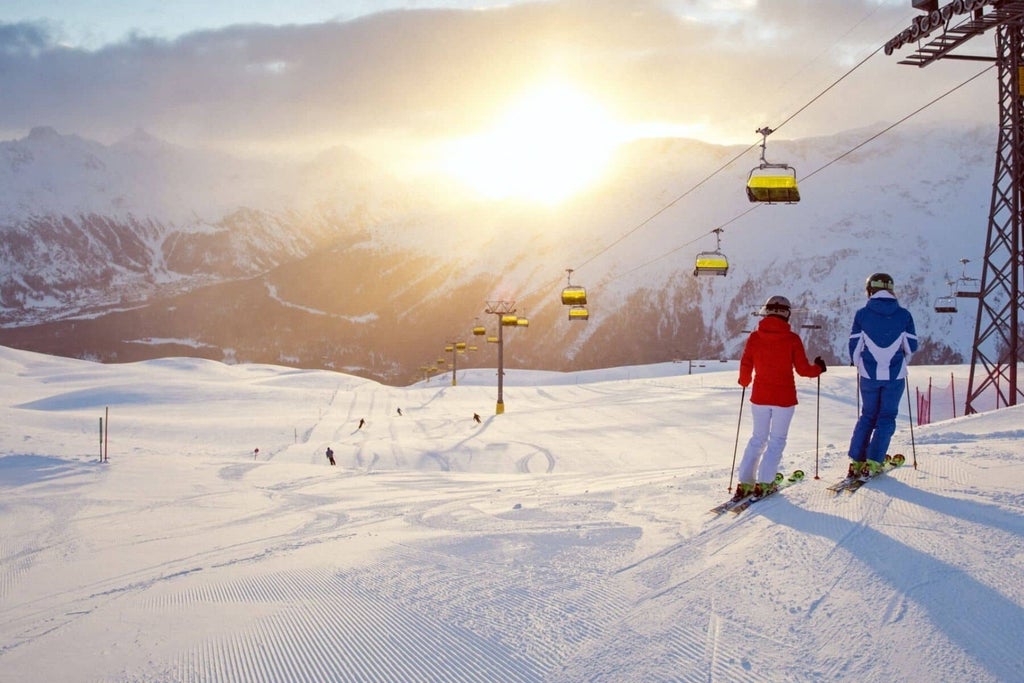
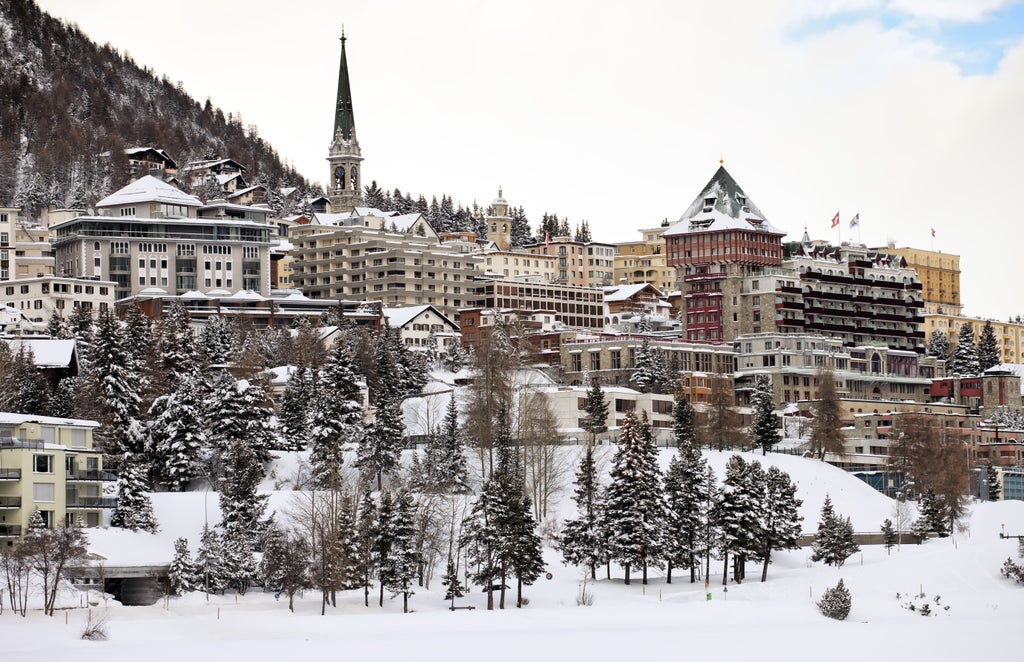
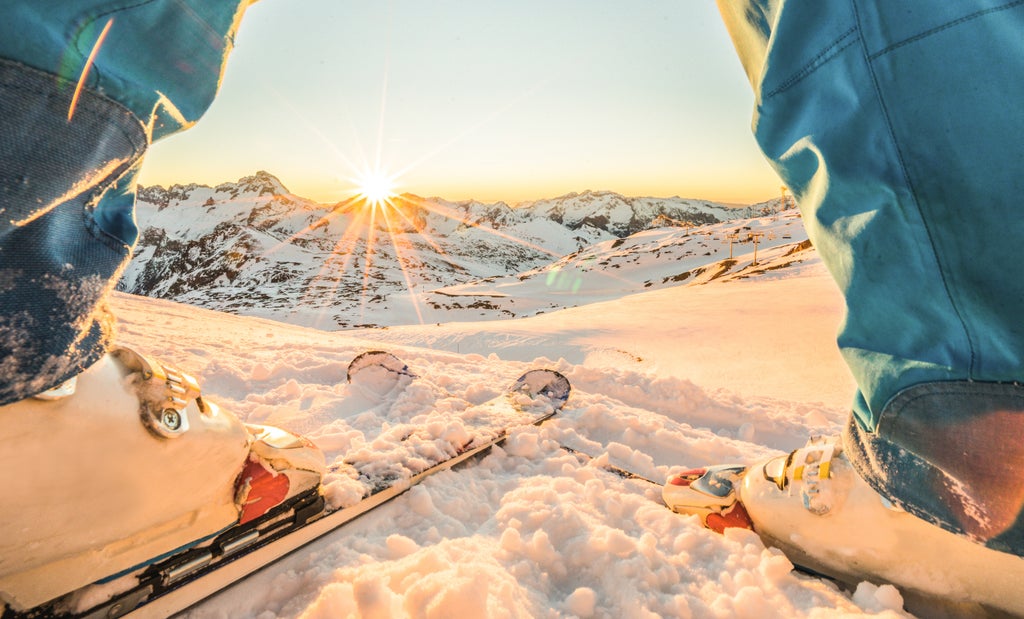
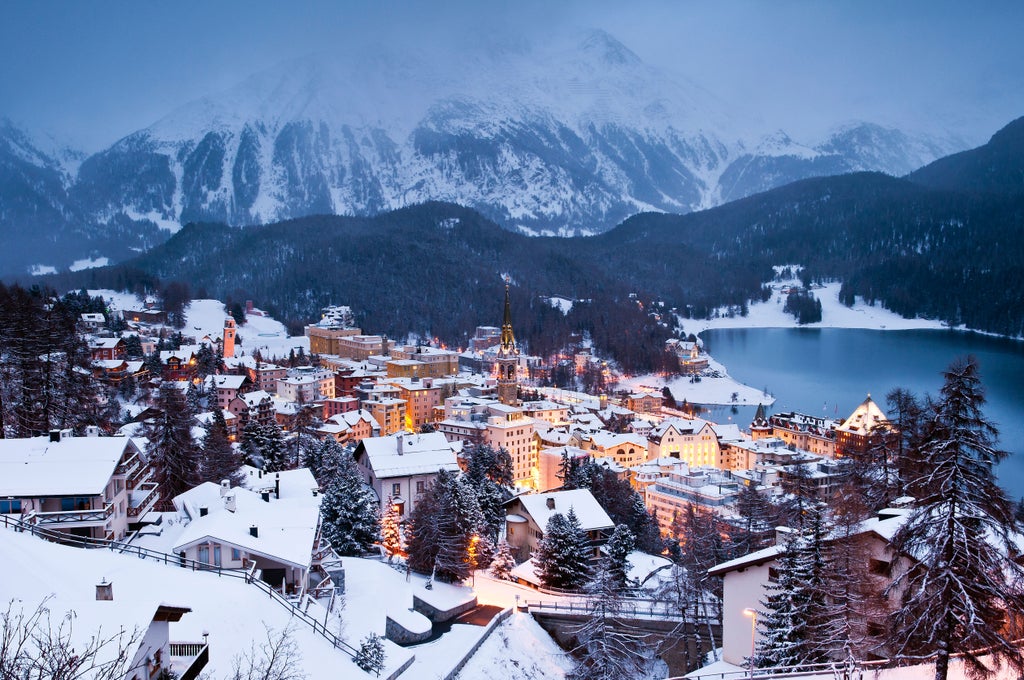
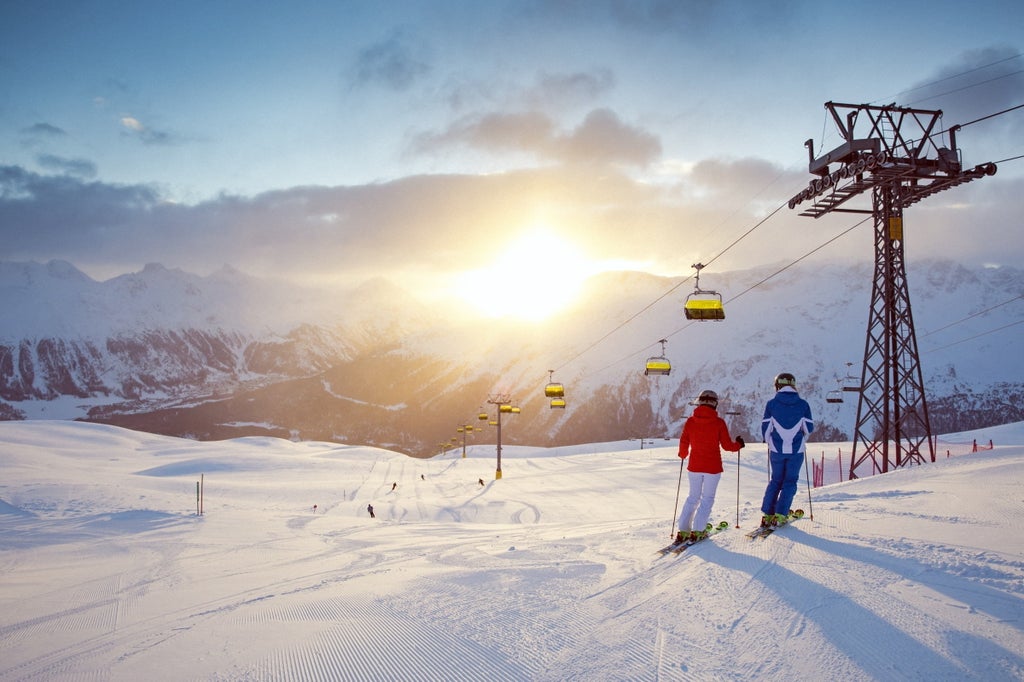
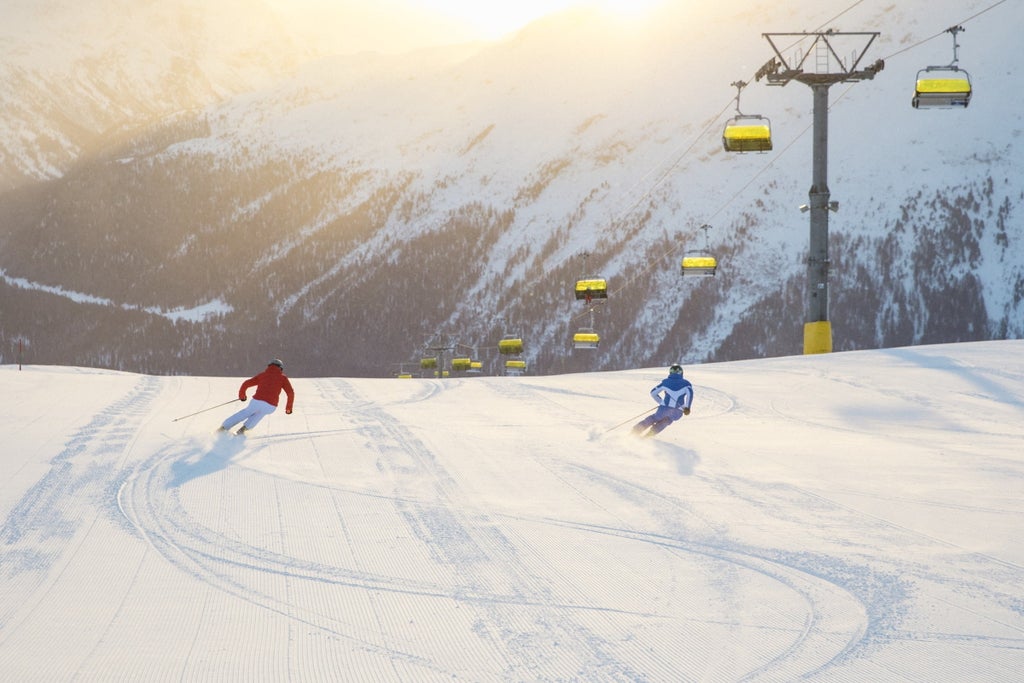
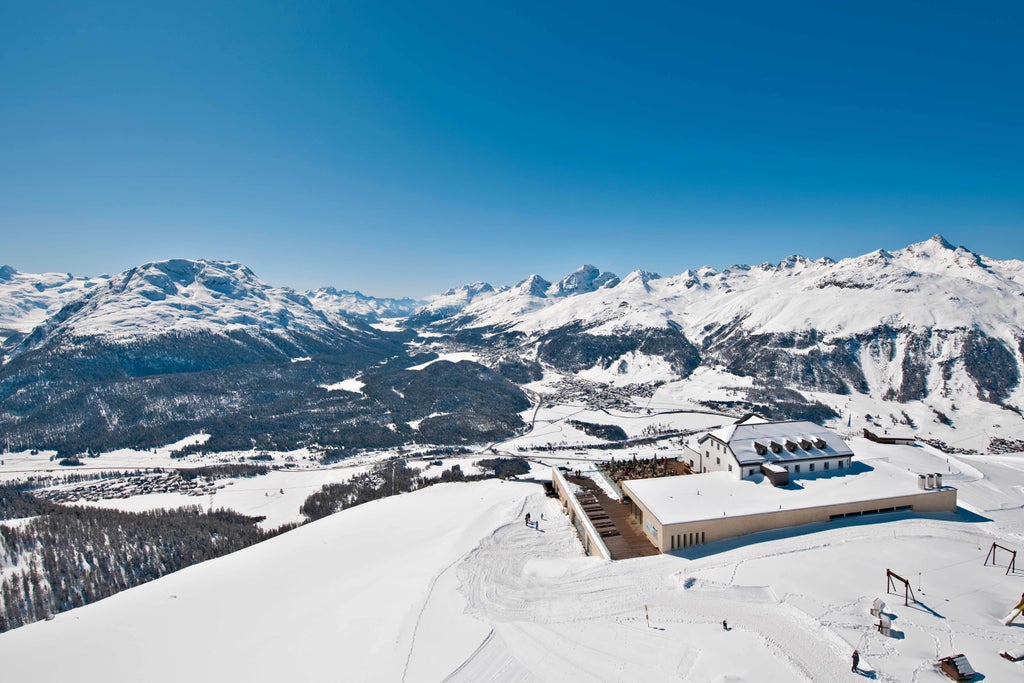
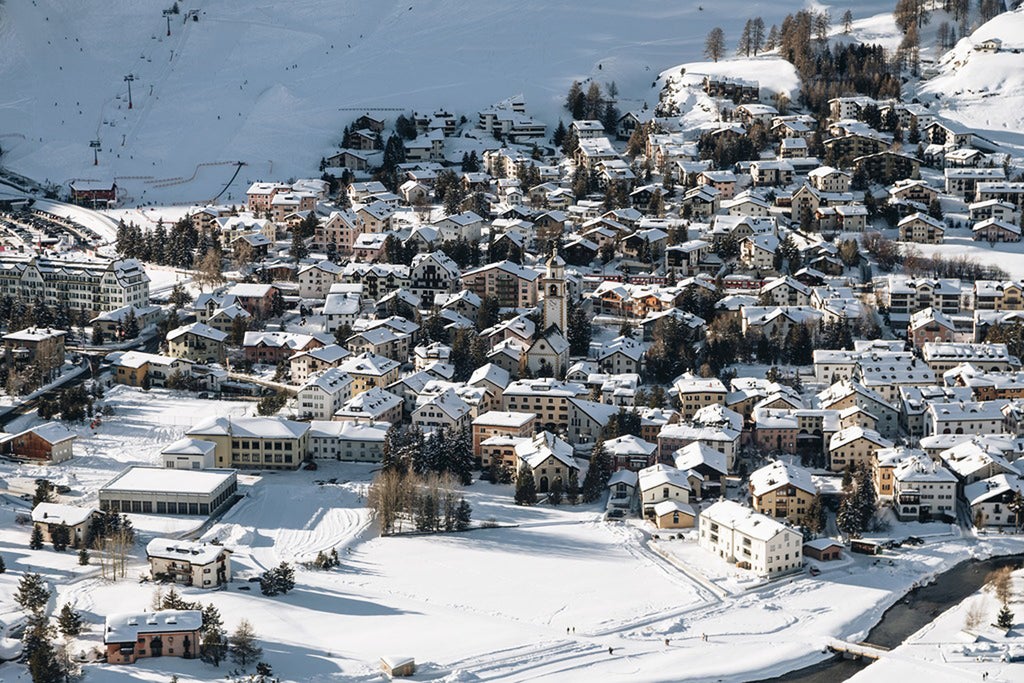
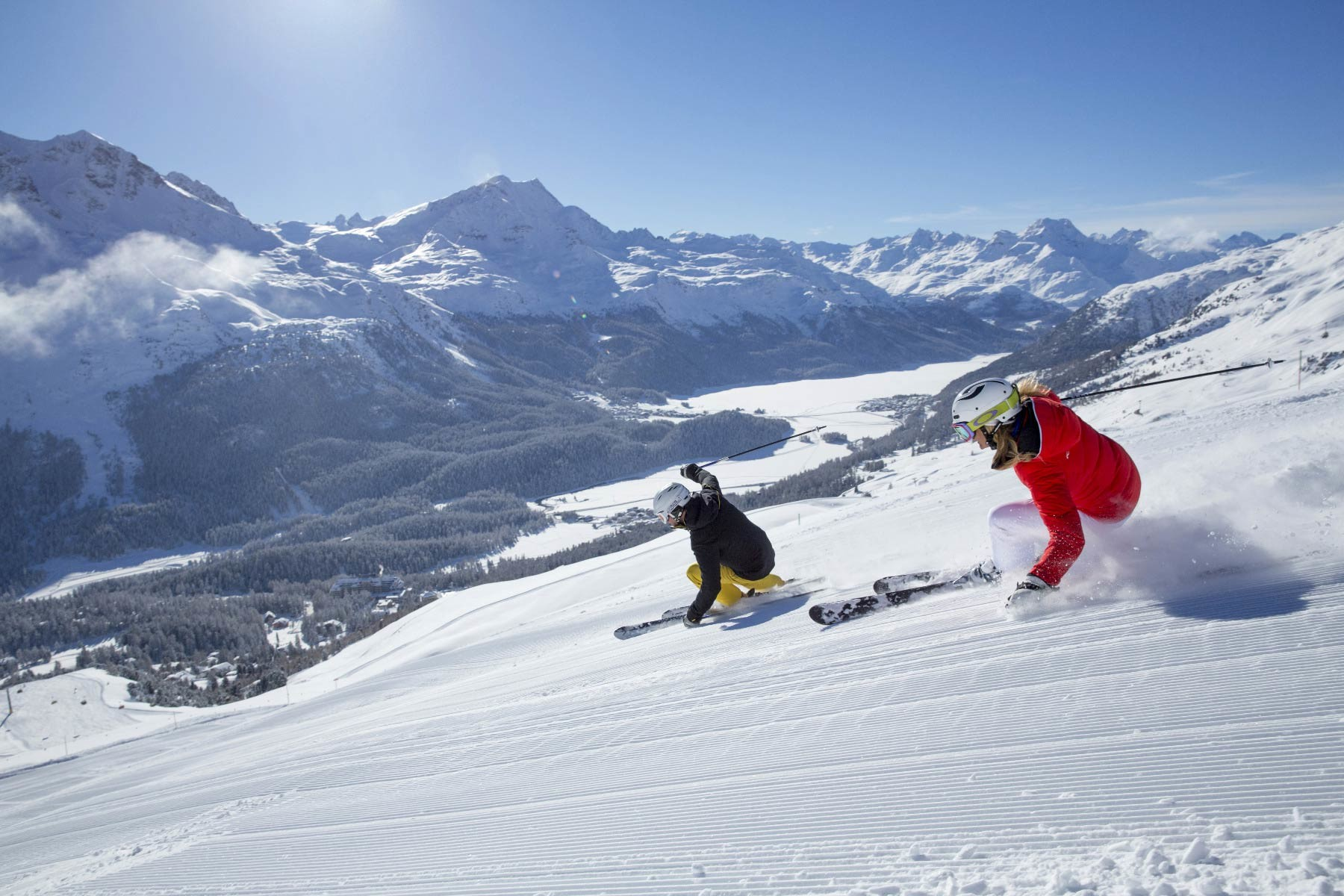
Engadin St. Moritz, located in the Canton of Grisons, Switzerland, offers a prestigious alpine setting in the heart of the Upper Engadine valley. Renowned for its high-altitude sunshine and vast panoramas, the ski area spans an impressive 3,501 hectares and boasts a vertical drop of 1,587 metres—from a base elevation of 1,716 metres to a summit height of 3,303 metres. Snowfall averages 350 cm annually, with extensive snowmaking ensuring reliable coverage across key pistes and links.
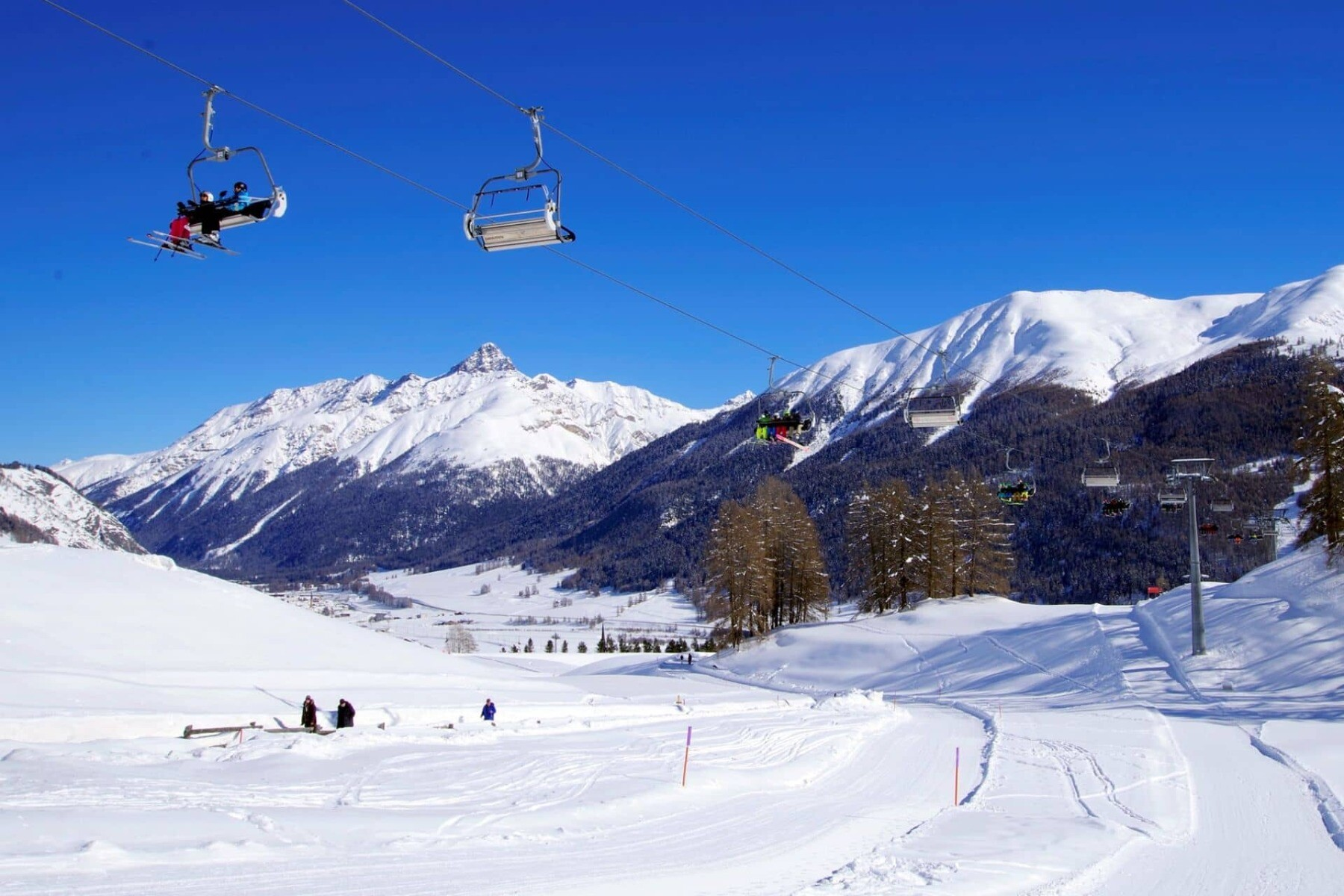
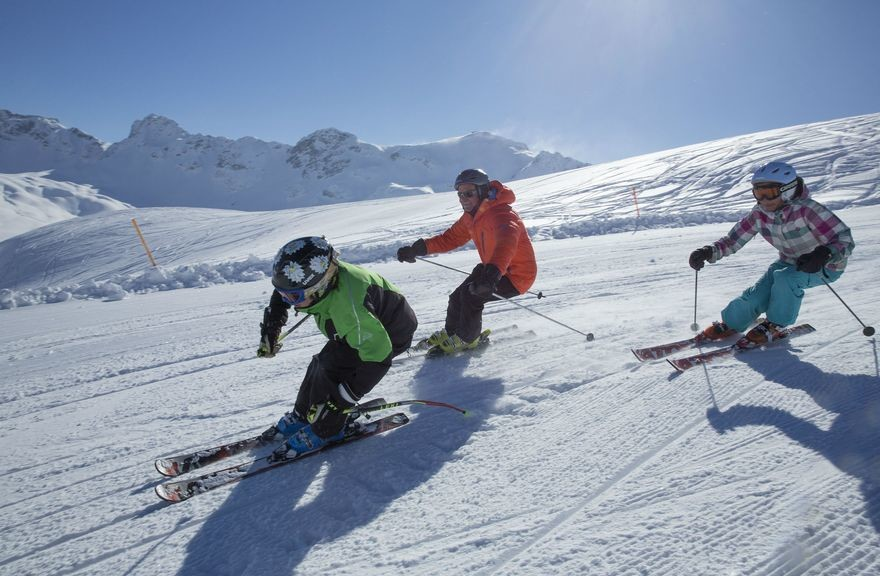
Skiers of all levels will find their rhythm among the 88 marked pistes and 59 lifts, including gondolas, high-speed chairs, and surface lifts. Difficulty levels favour advanced and expert riders (59% and 21%, respectively), though there’s still plenty of intermediate terrain and accessible areas for beginners. Families are well catered for, with dedicated practice slopes, tubing lanes, and children’s facilities including ski schools and play zones at venues like Salastrains and Provulèr.
Visitors choose Engadin St. Moritz for its alpine versatility—balancing sport, culture, and sophistication across its varied mountain sectors. Beyond its historic charm and lively après-ski, it offers world-class downhill skiing, snow parks, panoramic dining terraces, and access to 350 km of skiable terrain. Whether you’re seeking long uninterrupted runs or scenic ridge-line descents, it’s a destination where elegance and elevation meet.
Plan Your Trip
Transportation
Travelling to Engadin St. Moritz is made simple thanks to the resort’s well-connected position and scenic approach. The nearest international gateway is Zurich Airport (approx. 220 km), offering frequent direct trains via Chur to St. Moritz, with a total journey time of around 3.5 hours. Alternatively, Milan Malpensa (approx. 180 km) and Innsbruck (approx. 180 km) are viable options, with coach transfers or self-drive routes offering stunning alpine backdrops. The Rhaetian Railway, including its renowned Glacier Express link, delivers a memorable ride through viaducts and valleys to St. Moritz station.
For guests arriving by car, road access from northern Switzerland is via the well-maintained A13 motorway and connecting routes through Thusis and Zernez. Winter driving conditions may require chains, particularly when approaching from the south. Shuttle buses operate from neighbouring towns such as Samedan, Pontresina, and Celerina, while local public transport via Engadin Bus is reliable and frequent. For convenience and cost, the rail transfer from Zurich is the most popular choice among international visitors.
Important Dates
- Projected opening dateNov 21, 2026
- Projected closing dateMay 02, 2027
- Projected Days Open208
- Days Open Last Year210
- Years Open119
- Average Snowfall279cm
The terrain across Engadin St. Moritz spans four distinct areas: Corviglia, Corvatsch, Diavolezza, and Lagalb, each offering unique features and skiing character. Corviglia is the most accessible from St. Moritz village and home to immaculately groomed pistes, high-speed lifts, and sunny slopes ideal for intermediate and advanced skiers. Corvatsch, rising to 3,303 metres, delivers excellent snow reliability and longer descents, including the region’s longest run of 10 km down to St. Moritz Bad.
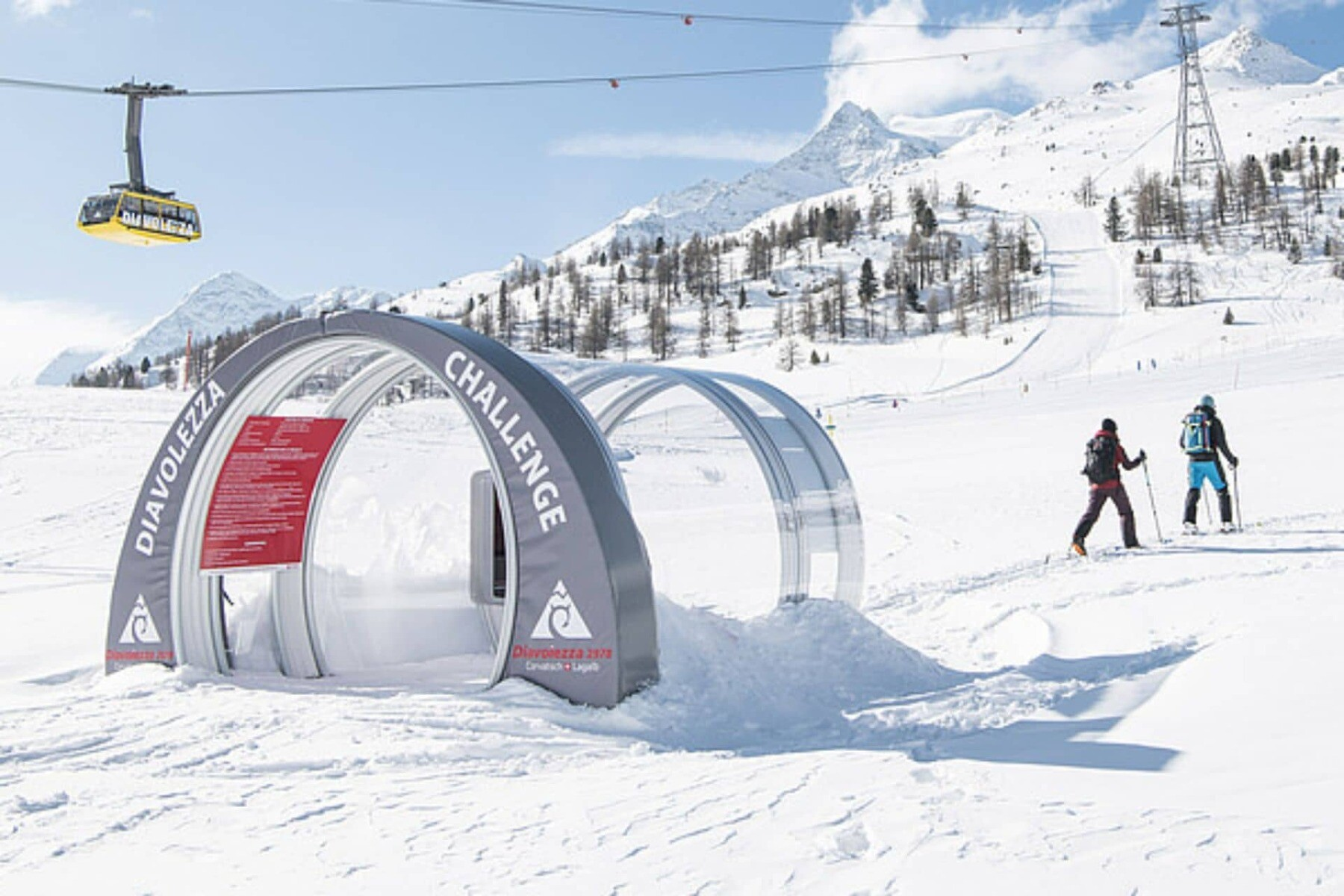
Diavolezza is tailored to adventurous skiers, known for its glacial landscapes and challenging off-piste variants. From the summit, you’re greeted with panoramic views over the Bernina massif, and pistes here range from technical reds to thrilling blacks. Lagalb, more secluded, is appreciated by locals for its consistently steep and scenic pistes that often remain quiet—even during peak season.
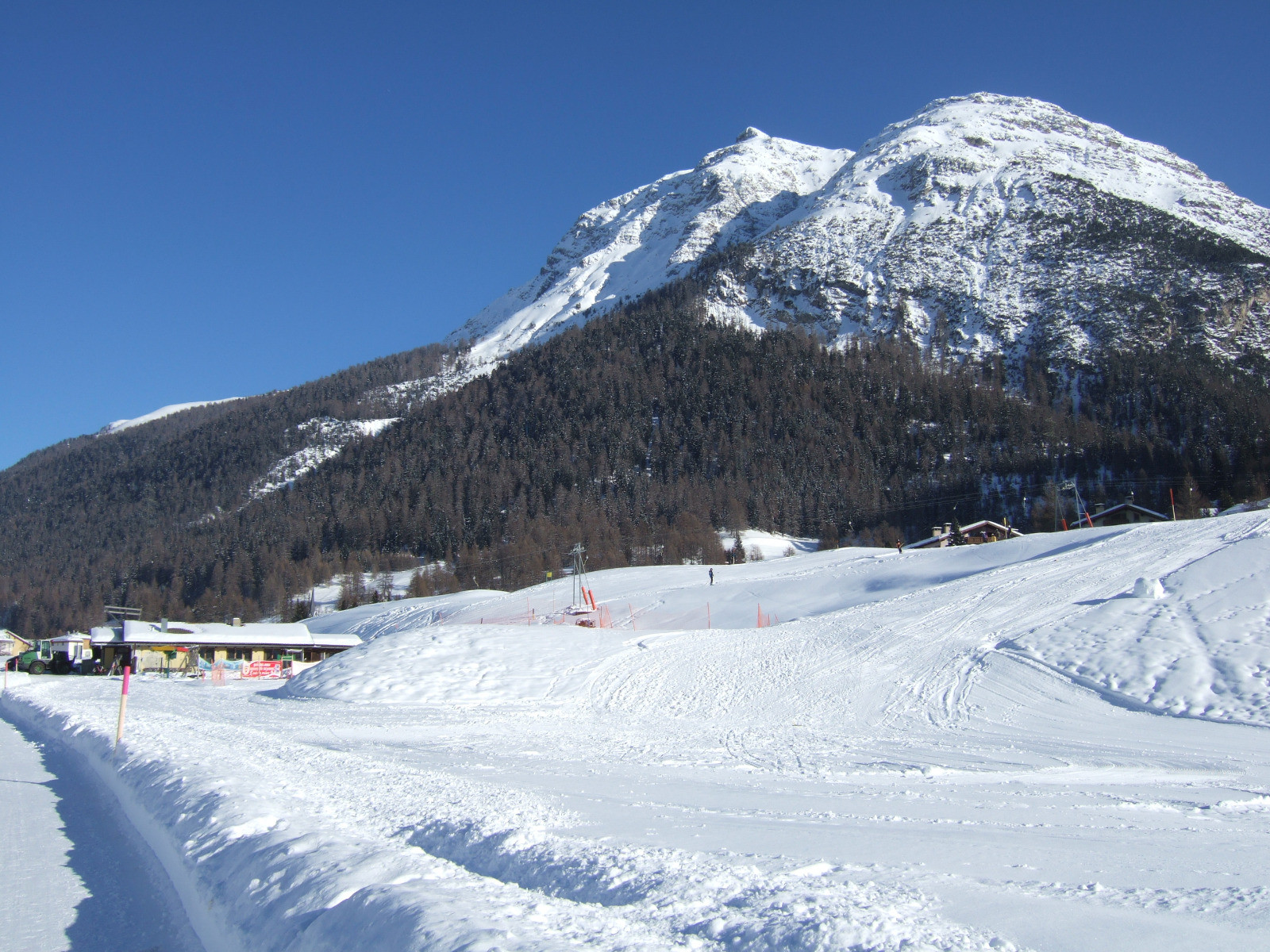
Beginners and families will enjoy dedicated nursery zones in Salastrains and Celerina, complete with surface lifts and gentle gradients. These areas are designed with safety and comfort in mind, allowing new skiers to build confidence in a controlled setting. Additionally, the Provulèr slope in Celerina provides a mellow descent accessible to all.
Freestyle enthusiasts have three terrain parks to choose from, including Corviglia Snowpark and the Flowline Park on Corvatsch. Features range from boxes and kickers to rail lines ideal for progression. Snow parks are maintained daily and cater to beginners and advanced riders alike, with areas segmented by difficulty and creative options throughout the line.
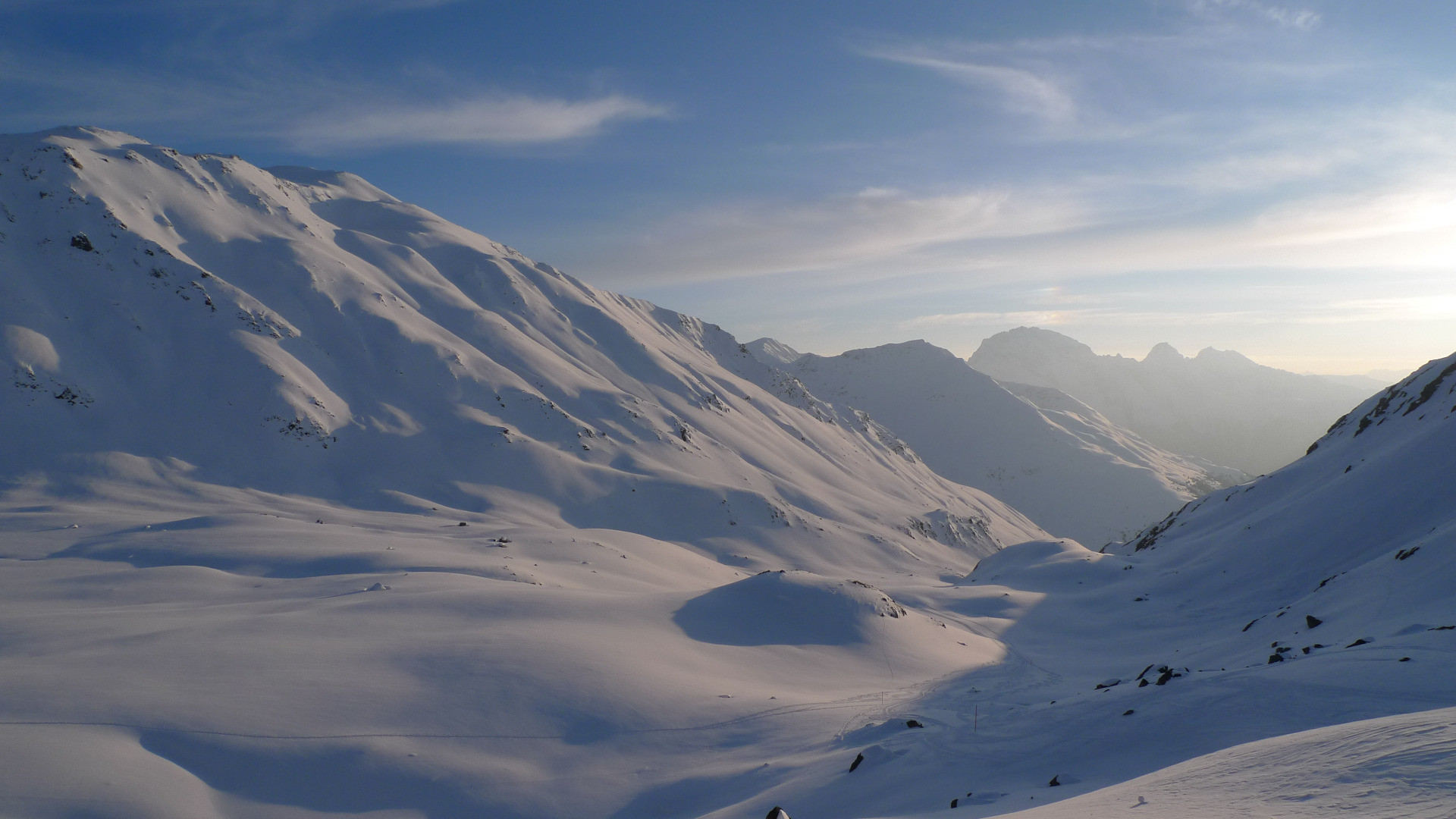
The natural layout of the Engadin valley allows for scenic ridge skiing, wide bowls, and dramatic descents flanked by frozen lakes and pine forests. With snowmaking in place across vital pistes, skiers can expect consistent conditions. Engadin St. Moritz’s terrain appeals to skiers who favour both precision and exploration, with seamless lift connectivity between sectors ensuring maximum time on snow.
Terrain
Lifts
59Inside Scoop
If you’re hoping for peaceful slopes and firm snow, plan your trip for the second week of January or mid-March. These windows often bring fresh snowfall with fewer visitors and particularly quiet mornings on Diavolezza and Lagalb. Locals often start their day at Corvatsch’s Murtèl station—where the slopes catch morning light and the runs are refreshingly empty.
One lesser-known run to seek out is the Hahnensee descent. Starting near Giand’Alva above Corvatsch, it’s a 9 km red piste leading all the way down to St. Moritz Bad through wooded corridors and sweeping open sections. It’s only open when snow conditions allow, but it’s a favourite among locals for its longevity and backdrop.
Families should try the tubing lanes near Surlej, especially midweek when the queues are low and the slopes nearby stay calm. Bring snacks and make a half-day adventure out of it. Alternatively, the Muottas Muragl funicular offers a spectacular viewing platform and a tranquil walking route that's accessible even in ski boots—ideal for non-skiers in the group.
For après-ski, avoid the obvious and head to Sternbar near Marguns. It’s a compact slope-side venue with fire pits, deck chairs, and a menu focused on regional wines and hot snacks. The vibe is relaxed, and you’ll often find instructors unwinding here with stories of the day. For something heartier, finish at Restaurant Kuhstall—literally housed in a former cowshed near Alp Languard.
If you’re chasing untracked snow, check the high bowls between Diavolezza and Piz Palü, particularly after a storm. These aren’t patrolled and require avalanche gear, but they offer unmatched powder lines and views that feel almost Antarctic. Consider hiring a mountain guide to access more ambitious chutes just off the regular pistes.
Those looking for a lunch with a view should reserve early at El Paradiso. Perched above Suvretta, the terrace serves up fondue and mountain classics against a backdrop of frozen lakes and towering peaks. Dress warmly, even on sunny days—the breeze here can surprise even seasoned skiers.
Early risers will appreciate First Tracks Thursdays at Corviglia. The lift opens early for select guests, giving you access to freshly groomed pistes before the general public. Pair that with breakfast at Quattro Bar at 2,486 metres and you’ve got a memorable start to the day.
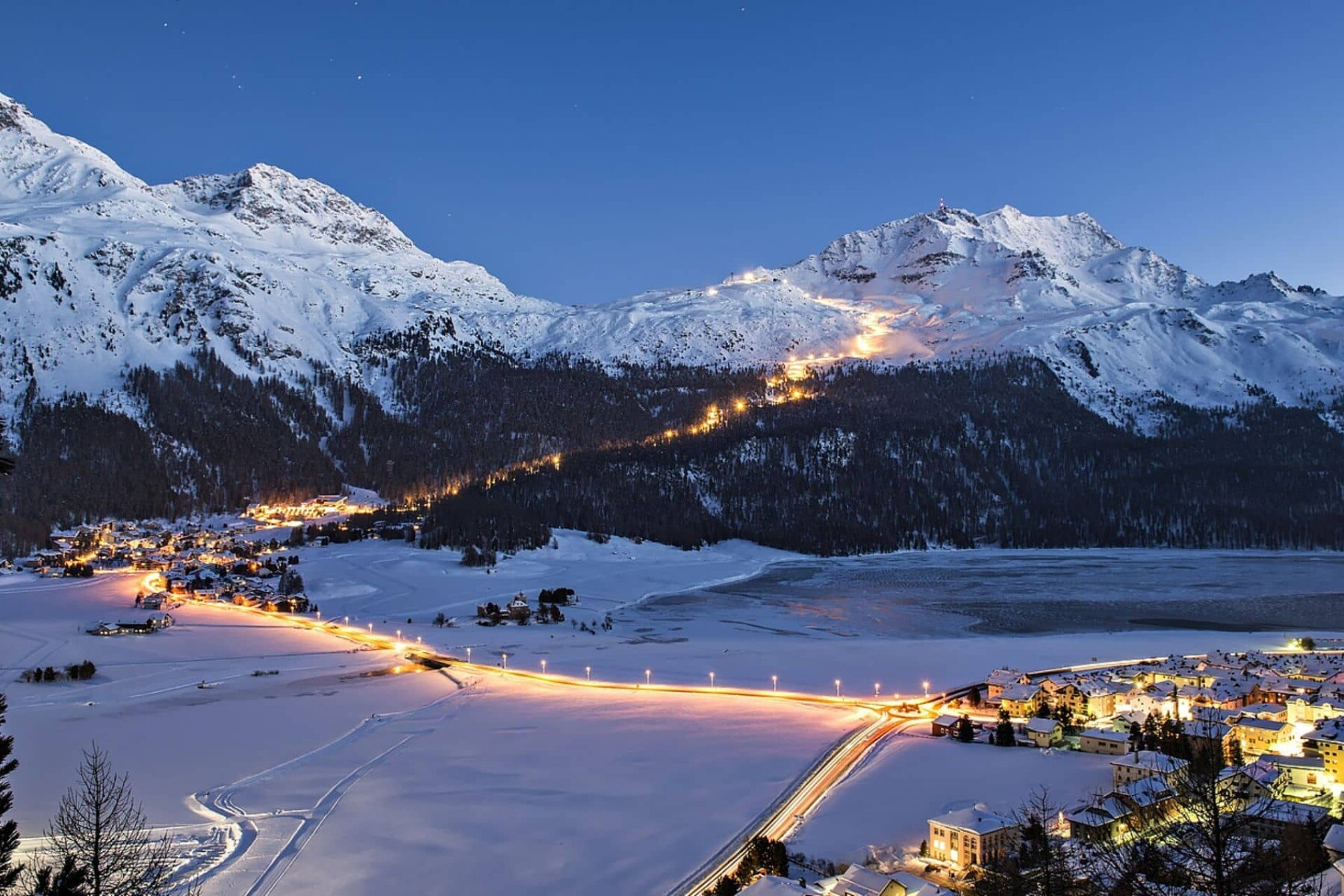
Don’t overlook night skiing on the lit piste in Zuoz, especially on Wednesday evenings. It’s a favourite among younger locals and offers a festive setting with music and hot drinks. The run itself is a gentle red and makes a great wind-down after a full day.
For gear upgrades, swing by Alpine Rocks in Pontresina. They specialise in boot fitting and have demo skis suited to Engadin’s terrain. Staff often ski the same slopes and can recommend settings based on current snow conditions.
Finally, take one afternoon to ride the Glacier Express from St. Moritz to Andermatt. Though not a skiing activity, the rail experience is unmatched—with panoramic windows showing off valleys, bridges, and snow-covered hamlets. It’s a brilliant way to see more of the region and appreciate just how high up you really are.
Reviews
All Reviews »Exzellentes Skigebiet mit bestens präparierten Pisten. Ja, St. Moritz ist teuer, wenn man im Sternerestaurant übernachtet und im exklusiven Hotel übernachtet. Aber auf der Piste gibt es auch preiswerte Hütten und die Ferienwohnungen haben auch Europreise für EU-Kunden