 Share this

Why did King Charles III fall in love with the Swiss ski resort of Klosters? A combination of traditional Swiss charm and laid back locals kept him coming back year after year.
Back when he was Prince of Wales, King Charles narrowly escaped death in an avalanche in the Swiss mountains. It was in 1988, while skiing off-piste with friends at his favourite resort, Klosters, that the disaster unfolded. His close friend, Major Hugh Lindsay, was killed when the avalanche swept down from a mountain called Gotschnagrat, while another member of the royal party, Patti Palmer-Tomkinson, suffered serious leg injuries.
The heir to the throne used his bare hands to help dig the victims free of the snow. The episode later featured in the Netflix drama series The Crown.
Tragic thought this incident was, Prince Charles never lost his love for this pretty ski resort in the Graubunden region. He first came here in the late 1970s, returning almost every year until the age of 73. In 2023, just before he was crowned king, the risk of injury forced him to hang up his skis for good. Apparently the Queen’s lack of skiing skills was also a contributing factor.
But King Charles III may yet return to Switzerland – not to ski but to enjoy the mountains. That’s according to one former royal aide, Clair Southwell, who lives in Klosters.
“I think he’d like to come back one more time,” she tells OnTheSnow.co.uk. “He loved the people here.” The king also has a vested interest in the resort in the form of two royal warrants – one for the ski equipment company Gotschna Sport AG and another for jewellers and opticians Maissen Klosters AG.
Clair, a British ex-pat originally from Surrey who now runs an upmarket concierge service in Klosters, knew her monarch better than most. She first met him during one of his ski trips in the early 1990s. A trained masseuse, she was asked by Prince Charles’ entourage to treat the royal, aching body after a tough day’s skiing. The prince was staying at a hotel called the Walserhof.
Clair remembers that first meeting clearly. “He took my hand and, as I was doing a curtsey, he said: ‘I hear you have the best hands in Switzerland’.”
It turns out she probably did. Over the next few years, she regularly treated the then heir to the throne for various aches and pains incurred through skiing. Eventually she was employed at St James’s Palace in London, working for the prince.
Over the years she became an invaluable royal aide. Thanks to her ability to ski, and her connections in Switzerland, it was in Klosters that she was perhaps most useful.
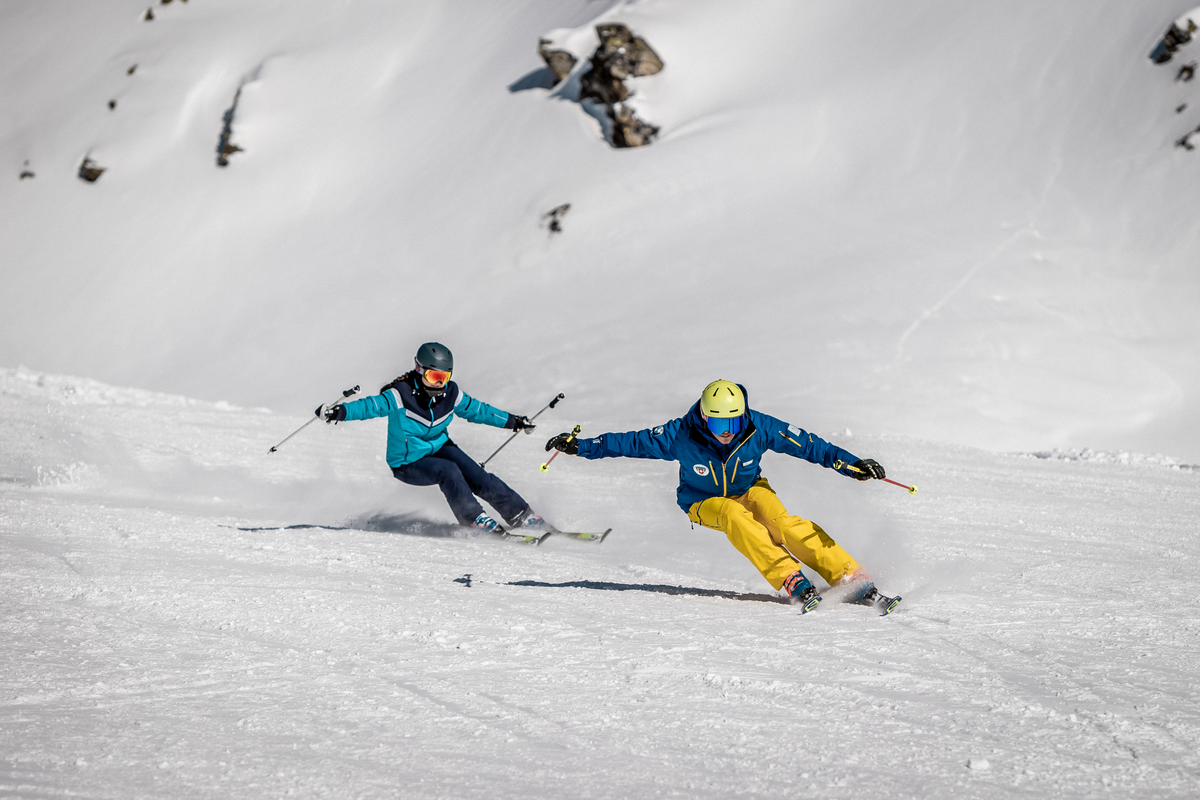
This pretty town, in the far east of Switzerland, connects with nearby Davos to create an enormous resort with around 300kms of pistes.
There are six ski areas in all: the largest and “most traditional”, with 97kms of pistes, is Parsenn. “Long descents on wide pistes,” is how the resort describes it.
Jakobshorn is for “lifestyle and crazy events”. With 55kms of pistes, it boasts the world’s oldest T-bar ski lift.
Rinerhorn, which sells itself as a “hidden gem for families and nighttime winter sports” offers 49kms of pistes.
Schatzalp, on the other hand, is “popular with leisure skiers, nature lovers and families with children”.
Pischa is the resort’s freeride skiing area, where the cable car whisks you up to 2,483 metres, but it features only off-piste skiing. There are no groomed pistes here at all.
Finally there’s Madrisa, which was King Charles’s favourite area. Much smaller than the others, it has only 23kms of pistes.
As a younger man, Charles was an accomplished skier. He first learned to ski at the age of 14, in 1963, on a trip to Tarasp – also in Switzerland’s Graubunden region – with Louis, Prince of Hesse and by Rhine.
But why did he keep coming back to Klosters? “The Swiss are not easily impressed,” Clair says of her neighbours’ attitude to fame. “All these celebrity people come here and nobody cares. People here don’t bat an eyelid. Everybody used to treat Prince Charles normally when he came here.”
This must have been refreshing for someone who has spent much of his life looking down the lens of a camera – even more so back when he was married to Princess Diana. The times they skied together, the media attention was inescapable.
So comfortable was the future king of England in Klosters, though, that occasionally he used to eat in the resort’s restaurants. Sometimes, to give him some privacy, they would be closed to the public while he dined; but not always, according to Clair. Among his favourites were Hotel Wynegg and Chesa Grischuna (both in Klosters), Kessler’s Kulm in Wolfgang and Berghaus Erika in Schlappin.
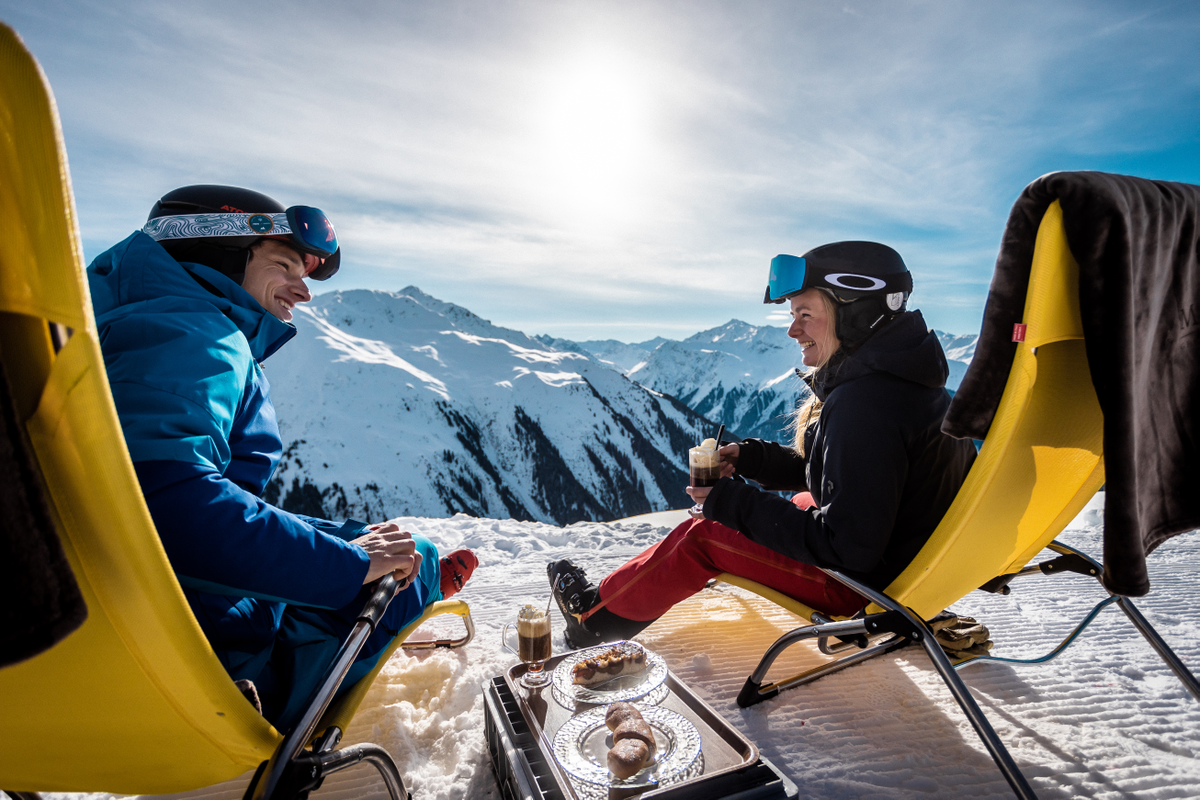
Clair says his favourite local food was Bündnerfleisch, an air-dried beef delicacy, a bit like biltong. One of his favourite tipples was Kesslerhof eggnog which he used to buy from a local farmer.
Security was always a concern. As well as his normal royal bodyguards, he often hired the services of a trusted Swiss policeman who would accompany him on the mountain.
Some years, Clair says, Charles would visit Klosters twice – often with his sons around the time of New Year’s Eve, and again in March on his own when he would spend time out in the mountains painting.
Landscapes were his speciality. “He would mix vodka in the watercolour paint so it didn’t freeze,” Clair recalls.
“For him it was such a tranquil time”. The future king once put on an exhibition of his paintings in Klosters.
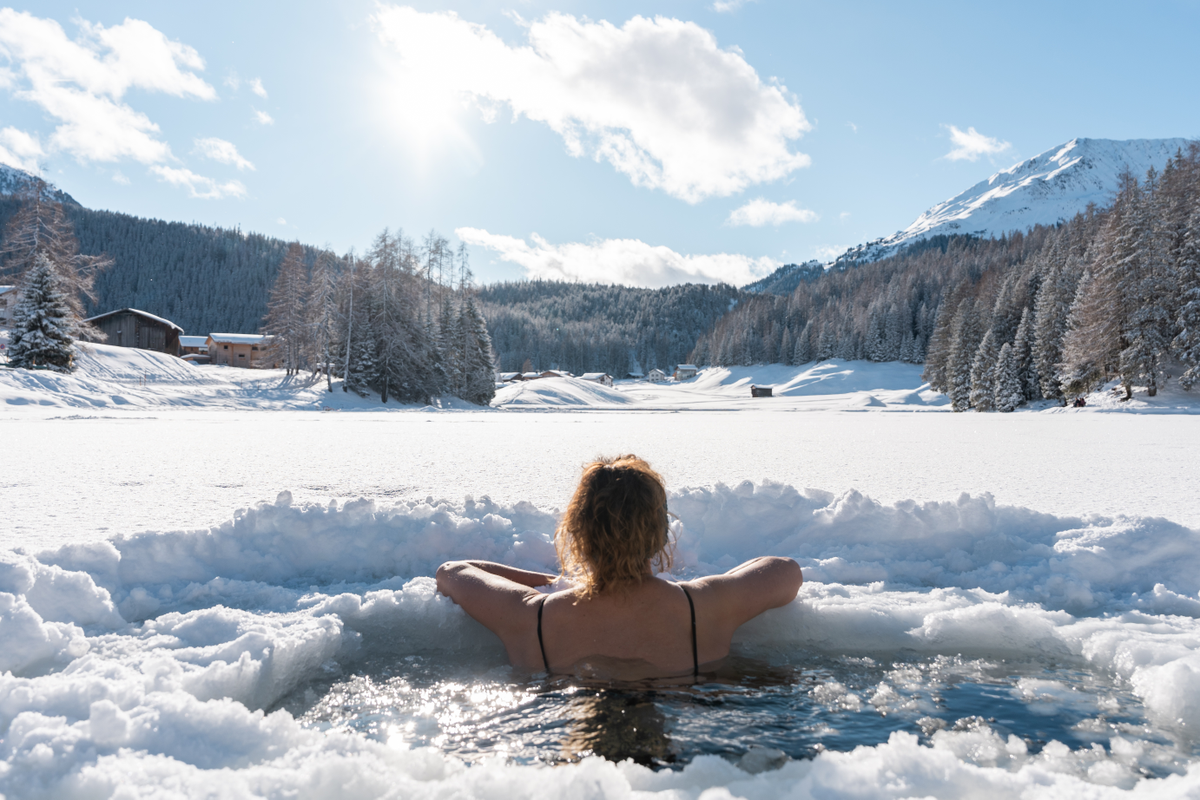
He certainly didn’t want for picturesque views in the resort. Stretching along a pretty valley created by the Landquart river, Klosters is split into two main sections – Klosters Platz and Klosters Dorf – and dotted with pretty, wooden chalets leading out to steep mountain meadows.
A few miles southwest of Klosters, and linked by a charming railway, is Davos, home to the annual World Economic Forum when world leaders gather to put global finances to rights.
The two towns couldn’t look more different. Many of Klosters’ buildings feature pitched roofs, large windows, balconies, local stone and decorative wooden engravings, often in the traditional style of the Walser people who moved here in the Middle Ages. Davos, on the other hand, has a distinctly modern feel to it, with boxy, functional, often flat-roofed buildings. Most striking of all is the Davos Congress Centre, with its honeycomb ceiling, the focal point of the World Economic Forum.
“Davos for capacity, Klosters for charm,” is how the tourism office describes the twin towns.
When King Charles used to come every year, it was clearly charm he was far more interested in than capacity. Even now, with the skis put away and the crown firmly in place, his bond to this resort endures.
[Dominic Bliss travelled to Klosters (klosters.ch) on Swiss International Air Lines (swiss.com) and Travel Switzerland (swisstravelpass.com). He stayed at Seven Alpina Boutique Hotel seven.ch/alpina].

 March 24, 2026

