 Share this

A guide to ski resorts in France’s southwestern mountain range
Don’t underestimate the Pyrenees. Granted, they have smaller and fewer ski resorts, and their mountains are lower in altitude. But what they lack in size, they more than make up for in character.
Although the Pyrenees include Spain and Andorra, it’s the French Pyrenees that we are focussing on in this article. There are around 40 resorts here in all, far fewer than the hundreds you’ll find in the French Alps.
Ski in the French Pyrenees
Don’t expect mega-resorts like Val Thorens, Avoriaz, Meribel or Tignes, teeming with thousands of skiers from all over the world. Instead, embrace the small, mountain villages and the low-key vibes.
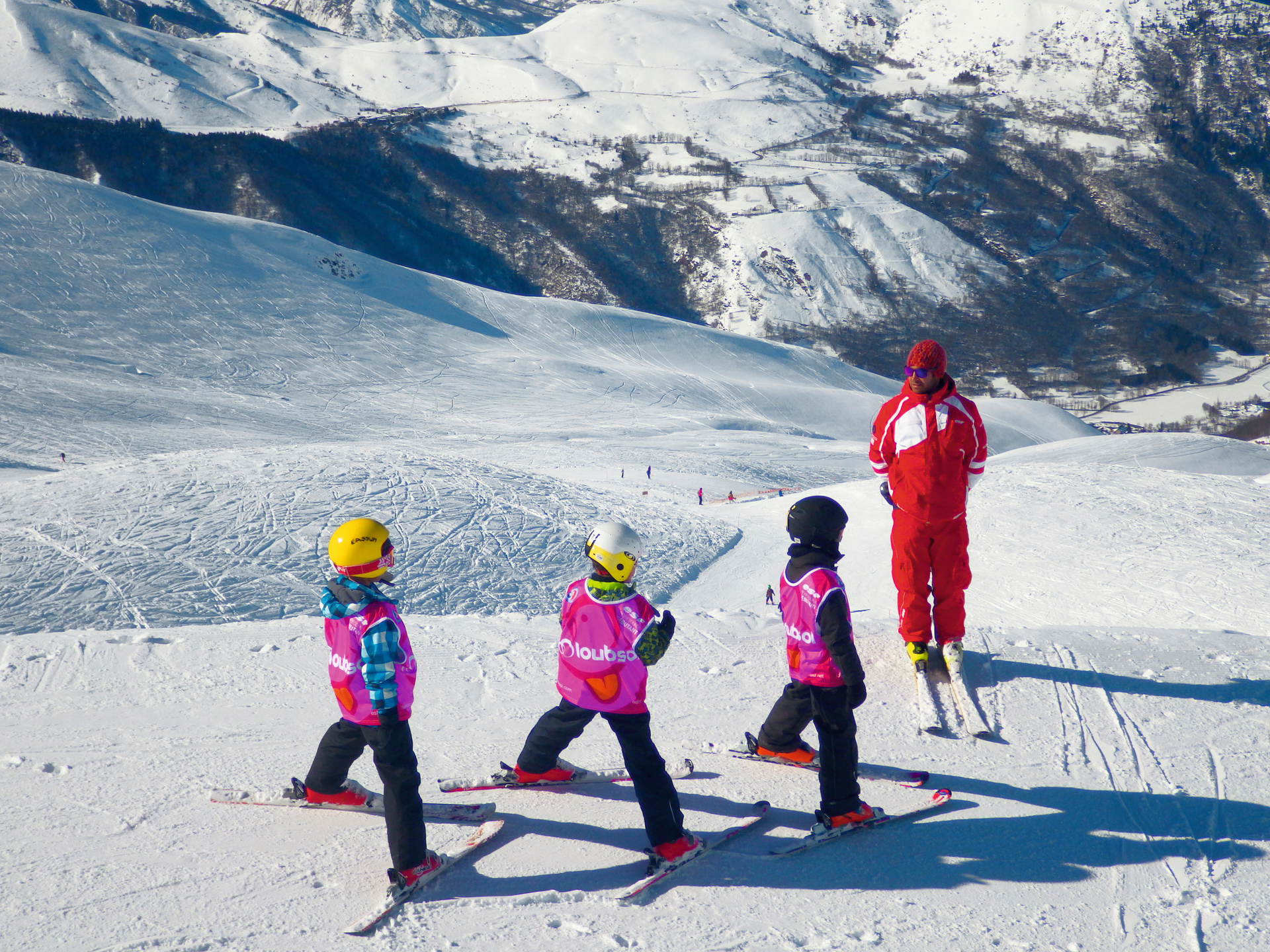
Of course, the pistes are shorter and fewer, and the lifts tend to be chairlifts. But then everything is less congested and notably cheaper than in the Alps. All of which makes it perfect for beginners, improvers and families.
Anna Fontan works for the tourism office for Hautes-Pyrenees, the highest region in the French Pyrenees. “These are not ski factories,” she says of her local resorts. “It is not mass tourism like in the Alps. In the Pyrenees, we take our time and chat. Here, there are friendly resorts steeped in local identity and traditions, and villages inhabited all year round, with real soul.”
Fontan especially recommends the Pyrenees for family groups. “We’re in the southwest of France, so we often have sunny days,” she explains. “If there are people in the family who don’t ski, they can do other activities such as snowshoeing, dog sledding or going to the spa at the end of the day.”
Fontan stresses how all aspects of a ski holiday are substantially cheaper in the Pyrenees than in the Alps. “Accommodation rates, ski passes, ski lessons, equipment rentals, restaurants and snow activities are much cheaper,” she says. “You can almost halve the price. There are also pedestrian passes available, allowing non-skiers to join their family or friends at a restaurant on the slopes and have lunch together.”
Other benefits she points out are the charming villages, the local gastronomy, and the fact that the area hasn’t been blighted by over-tourism.
How to access the French Pyrenees
Several airports serve the French Pyrenees, on both sides of the frontier between France and Spain. These include Toulouse (from Birmingham, Bristol, Manchester and multiple London airports), Pau Pyrenees (from Paris), Tarbes Lourdes Pyrenees (from London Stansted), Carcassonne (from Bournemouth, East Midlands, London Stansted and Manchester), Perpignan (from Birmingham, Leeds Bradford and London Stansted), Gerona (from London Stansted) and Barcelona (from multiple airports all over the UK).
Après-ski in the French Pyrenees
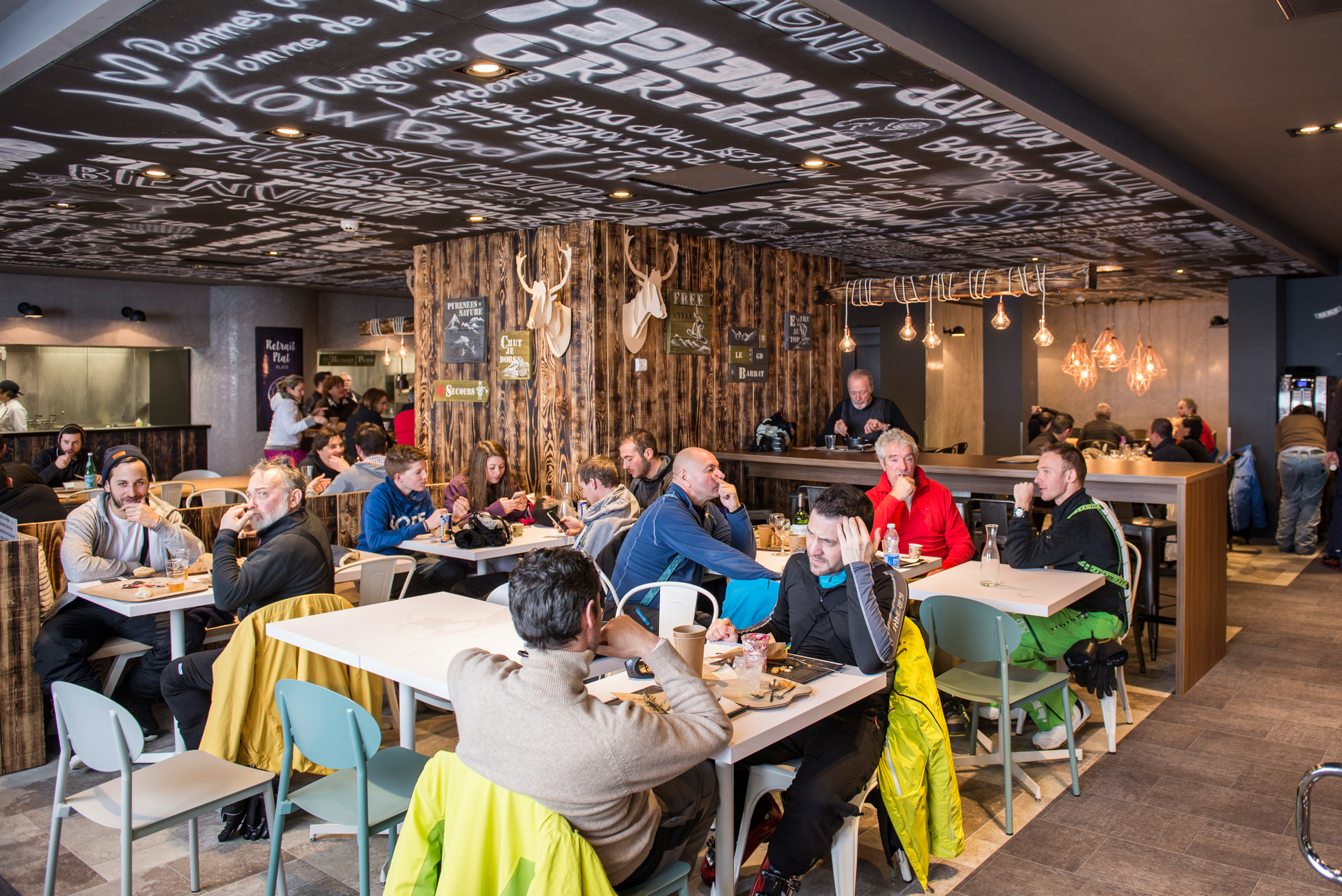
Fontan says après-ski is “almost more important than skiing”. She adds: “It’s the south of France, where aperitifs with friends and dinner at restaurants are essential. These simple moments are what make life in the Pyrenees so charming. The villages are very lively in the evening. It’s festive – people meet and talk over a glass of wine and a few tapas.”
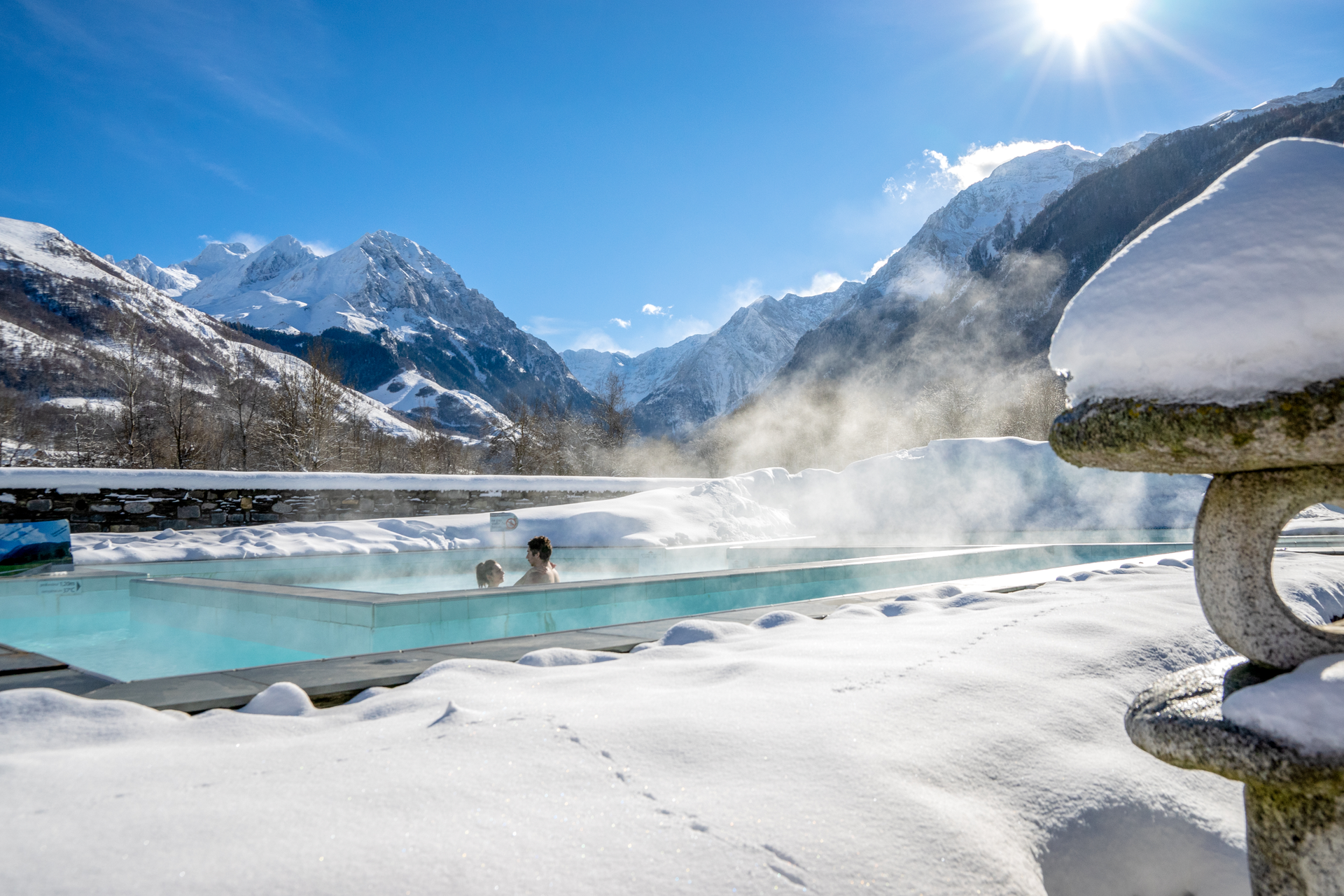
Dotted all over the Pyrenees are many natural hot springs. These soothe skiers’ aching muscles and form a vital part of the après-ski culture. Fontan points out how many of the resorts boast their own spas, built around these hot springs – especially in the Hautes-Pyrenees.
“The bite of fresh snow, the vitality of pure air and the gentle warmth of thermal pools,” is how she describes it. “There are lagoons, bubble beds, geysers, ice cabins and outdoor spa areas.”
Not to be missed is Balnéa, in Loudenvielle – close to the Peyragudes and Val-Louron ski resorts – which Fontan says is the largest mountain spa centre in France.
Five of our favourite resorts in the French Pyrenees
Cauterets
With its pretty Belle Epoque buildings, Cauterets village offers direct access to the ski area. There are 20 pistes across 38kms, plus a snow park and plenty of beginners’ areas. Apres-ski, you can relax in the baths of Les Bains du Rocher. Adult ski passes currently cost €234 a week.
Saint-Lary
With three ski areas – at 1700 metres, 1900 metres and 2,400 metres – this is one of the larger resorts in the Hautes-Pyrenees, with 59 pistes in all, stretching for 100kms. There’s also a snow park and a spa centre called Sensoria. Saint-Lary itself is a great example of a traditional Pyrenean village.
Six-day ski passes start at €261, and there are great offers for family groups.
Le Grand Tourmalet
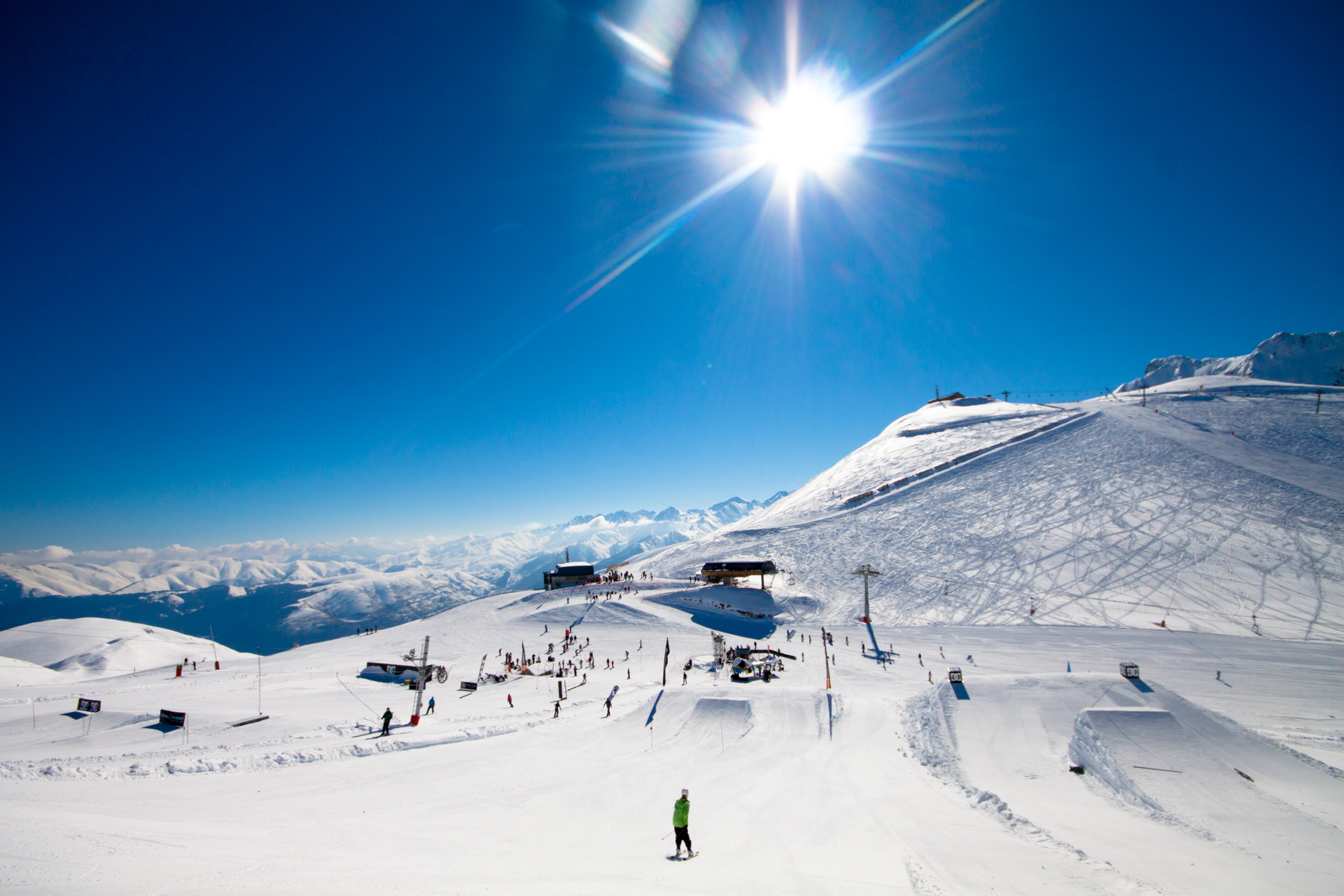
This claims to be the largest ski area in the French Pyrenees, with 54 pistes stretching for around 100kms. For beginners there are ski areas at La Mongie and Bareges. There’s also a snow park and, for the really experienced, the chance to ski off-piste down from the Pic du Midi, at 2,877 metres. There are two spas: Aquensis and Cieléo. Six-day ski passes start at €273.
Peyragudes
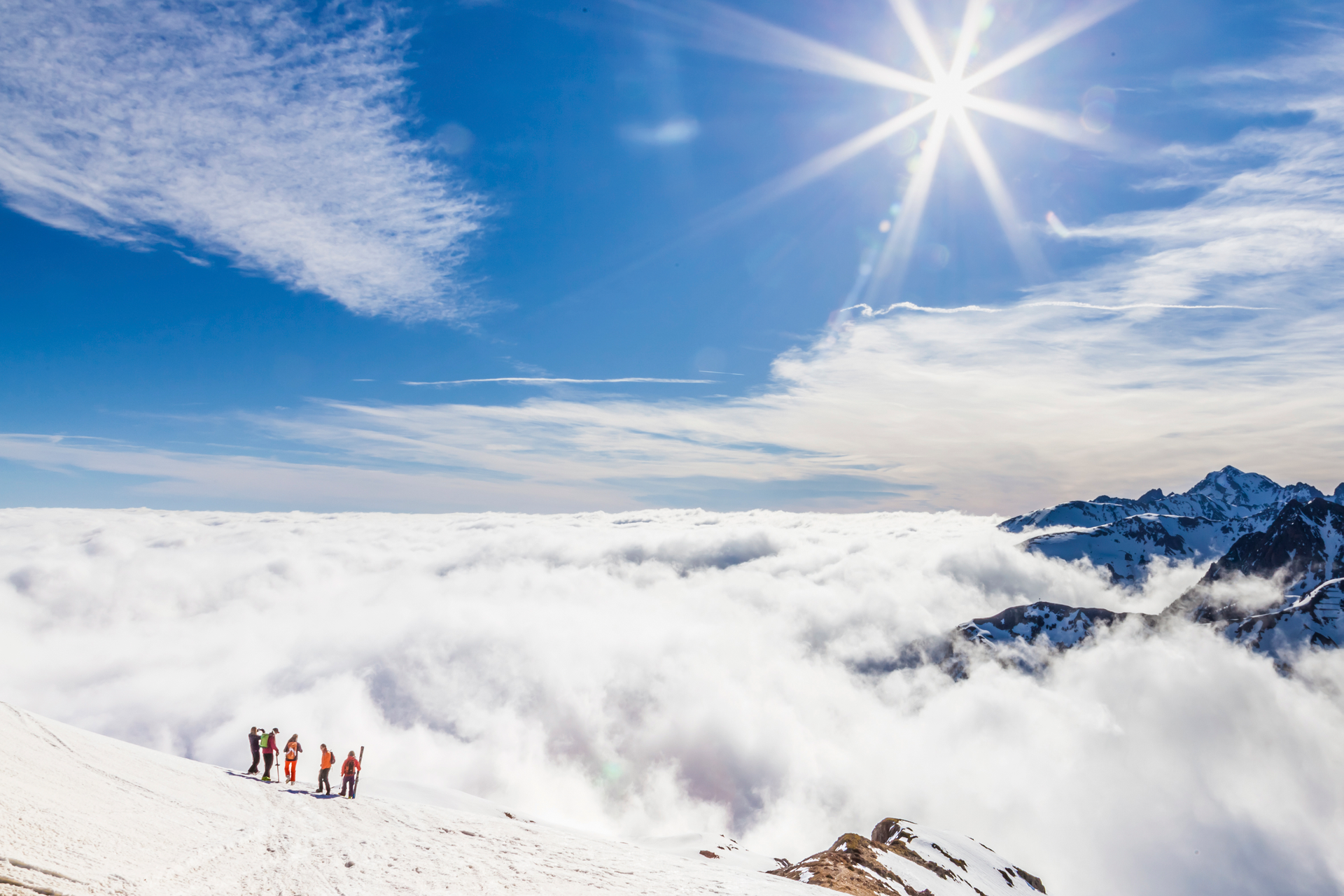
There are 51 pistes here, stretching across 65kms of terrain. As well as the great skiing facilities, you can also try other activities such as snow cross, luge, cross-country skiing, snowshoeing and nighttime skiing. Then, to relieve your aching muscles, there is the famous spa centre Balnéa. Six-day ski passes start at €249.
Hautacam
This cute little resort is tiny in size – just 15 pistes and six lifts – but it has plenty of character. And with lift passes costing just €108 for six days, it won’t break the bank. There’s also a great luge track and a spa called Le Jardin des Bains. Perfect for beginners.
Explore more destinations in the French Pyrénées here.

 March 01, 2026

