 Share this

Ski mindset coach Louise Pode helps anxious skiers who have lost their confidence get their mojo back.
The snowboarder struck Louise Pode at top speed, totally out of the blue. There she was at the bottom of a piste in Morzine, minding her own business, when suddenly, a stranger smashed into her, knocking her clean off her skis before disappearing without a word.
“He came straight through me and left me in a heap on the slope,” Louise remembers. “I ended up going to hospital. I was on crutches for four months. I thought he’d destroyed one of my hip joints. I knew it was a sliding doors moment for me: either I step away and protect myself from skiing, or I do something about it.”
Louise, who had enjoyed skiing for many years prior to the accident in 2017, chose the latter option. After recovering from her injuries, she decided to set up an online and in-person ski coaching service called Ski Mindset Coaching. She says it’s aimed at people “ready to fall back in love with skiing”, and that it will help people “think calm and relaxed rather than overwhelmed and anxious”.
Losing your ski mojo
Skiing and snowboarding accidents – even minor ones – can dent one’s confidence enormously; as can simply growing older. As we age, or when we become parents, we tend to lose our mojo somewhat. With maturity comes an inevitable caution, so that middle-aged skiers rarely attack the slopes with the same gusto and adrenalin as they did in their youth.
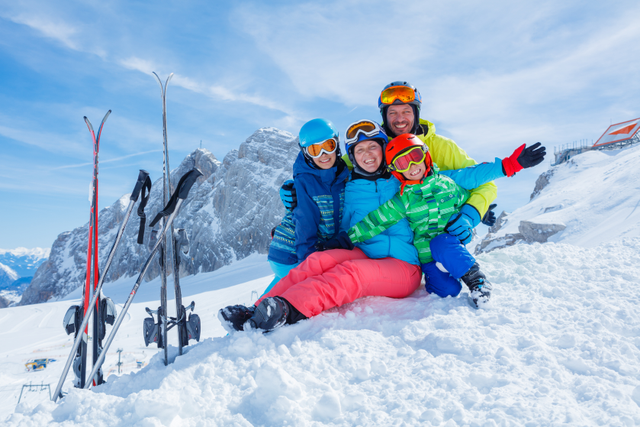
This is where Louise’s advice is so valuable. The lion’s share of her clients are female. Many are in relationships with confident male skiers or are perhaps mothers to children they struggle to keep up with on the slopes.
“Most have been affected by other people,” she adds. “Perhaps a ski instructor or husband or friends who have made them feel they’re useless, or who have put them in situations on the mountain that have terrified them.”
On-piste confidence isn’t helped by the increasing age of British skiers. According to ski travel agency Iglu Ski, around three-quarters of UK skiers are aged 45 or above. Ski Club GB says the average age of a British skier is 47. This middle-aged bracket is Louise’s prime customer demographic.
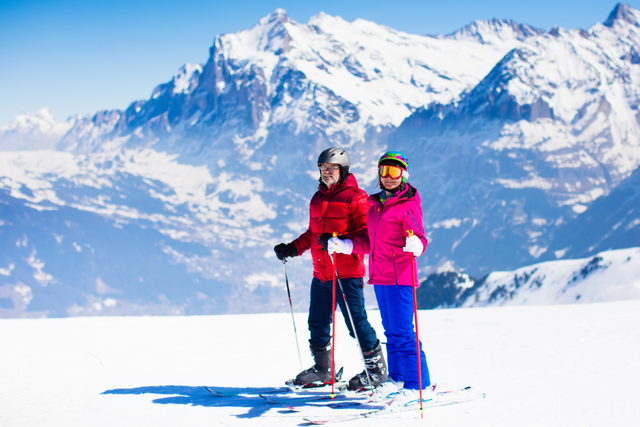
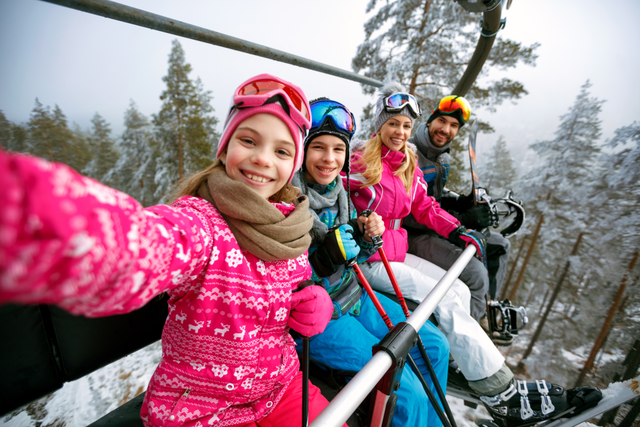
Initially she encourages her clients to set themselves goals for their upcoming ski holidays. “Why do they want to ski?” she asks. “Do they want the confidence to ski down a red slope. How do they want to feel? Do they want to feel calm and liberated, or strong and excited? Maybe it’s as simple as seeing themselves sitting on a chairlift with their husband and kids, laughing about a piste they have all just skied together.”
Choose the right ski resort
If you’re lacking confidence, there’s absolutely no point in heading for one of the busier, larger ski areas. Choose a smaller, family-friendly resort instead, where you’ll have more space on the pistes, and slower skiers around you.
And be sure to avoid holiday periods. February half-term in the French Alps, for example, is always insanely hectic.
Start the day positively
Louise says positivity is a powerful weapon against anxiety. On a ski holiday, every morning before you head for the pistes, she recommends you adopt a routine to place you in a positive frame of mind.
“You might wake up feeling sick and anxious about the day ahead,” she says. “Play your favourite music – tunes that really energise you and take you to a place where you feel happy. Focus on what you’re really looking forward to in the day, not what you’re dreading: think about the friends you’re going to be skiing with; the lovely lunch you’re going to enjoy; or just how amazing and beautiful the mountains are.”
Understand your anxiety
It’s vital, Louise says, for nervous skiers to analyse their anxiety. “Get to know when you’re getting anxious,” she advises. “It might be a churning in your stomach, or a fluttering in your heart. It might be getting hot, it might be feeling sick. Whatever it is, pick up on it. If you can catch it in that moment, it’s so much easier to manage.”
Then Louise teaches her clients strategies to avoid feeling overwhelmed by anxiety. She uses the example of a nervous skier staring down a steep, icy mogul field, with no alternative route down the mountain.
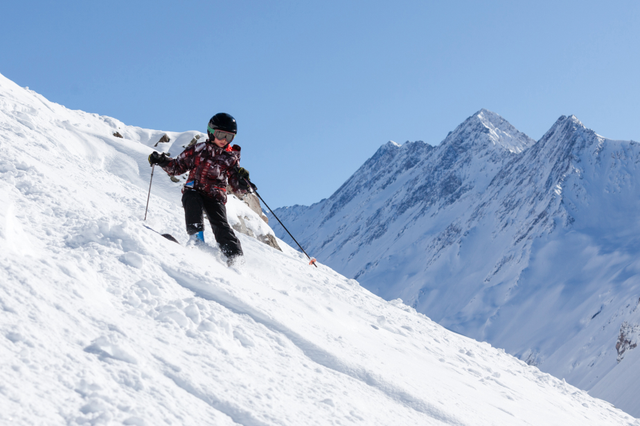
“You’re looking at all that hard, cruddy, off-piste snow,” she explains. “It’s too steep, too icy and you’re stuck. The whole thing is really terrifying. You are so vulnerable. What do you do in that moment?”
The answer, she says, is to remind yourself why you love skiing. “You need to put your mind back in that happy place,” she adds. “Tell yourself: ‘I’m here because I love the mountains. Look at how beautiful they are! And I love sharing experiences with my family.’”
Keep calm under pressure
Louise understands your heart may be pounding in such a situation. “You’re saying, ‘Oh my God. This is terrible. I’m going to hurt myself. I’m going to break my leg!’”
It’s vital you calm yourself down. This is achieved through deep breathing in and out. “Visualise that amazing Alpine air rushing in, energising you, and then blowing out that stress,” Louise says. The deep breathing calms everything down by controlling the inner negative chatter.
Next, you must focus on your route down the mountain. Louise explains: “You tell yourself, ‘Okay, I’ve got myself into a really tricky situation here, but I’m keeping really calm. How am I going to get myself out of this situation?’”
The piste you’re on may be way beyond your technical abilities. Perhaps it’s steep, narrow and dotted with huge moguls. Louise advises you break it up into small, bite-sized tasks.
“So, you tell yourself, ‘I’m going to make one turn here. Then I’ll stop and take some more deep breaths. Then I’ll make another turn there.’ As long as you remain calm, eventually you’ll make it down the piste.”
In time, and with plenty of practice, your confidence will return.
While the mountains will always be there, a skier’s confidence is never a guaranteed constant. But when you learn to quiet the noise of anxiety and tune back into the reasons you fell in love with skiing in the first place, the slopes can feel welcoming again.
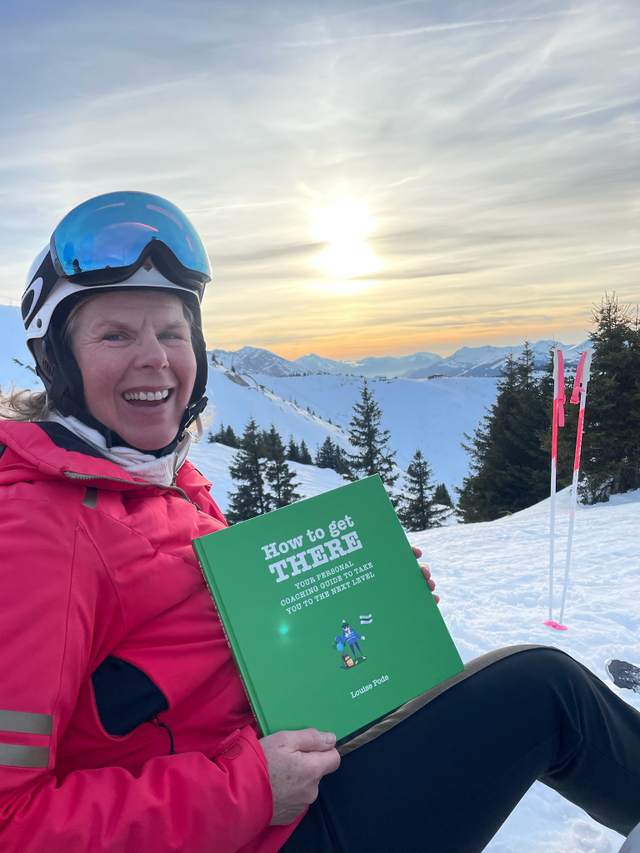
[Louise Pode runs an online and in-person ski coaching service called Ski Mindset Coaching. She is author of a book called How to Get There: Your Personal Coaching Guide to Take you to the Next Level. If you’re retuning to skiing after an injury, there are many clinics specialising in post-injury rehabilitation.]

 December 23, 2025

