3 Zinnen Dolomites Overview
3 Zinnen Dolomites
- Projected Opening
- Nov 28
- Projected Closing
- Apr 04
- Lifts
- 31
- Trails
- 84
- Base
- 1,130m
- Summit
- 2,300m
- Vertical Drop
- 1,170m
- Average Snowfall
- 174cm
- Nov33cm
- Dec21cm
- Jan48cm
- Feb45cm
- Mar39cm
- Apr6cm
Related News


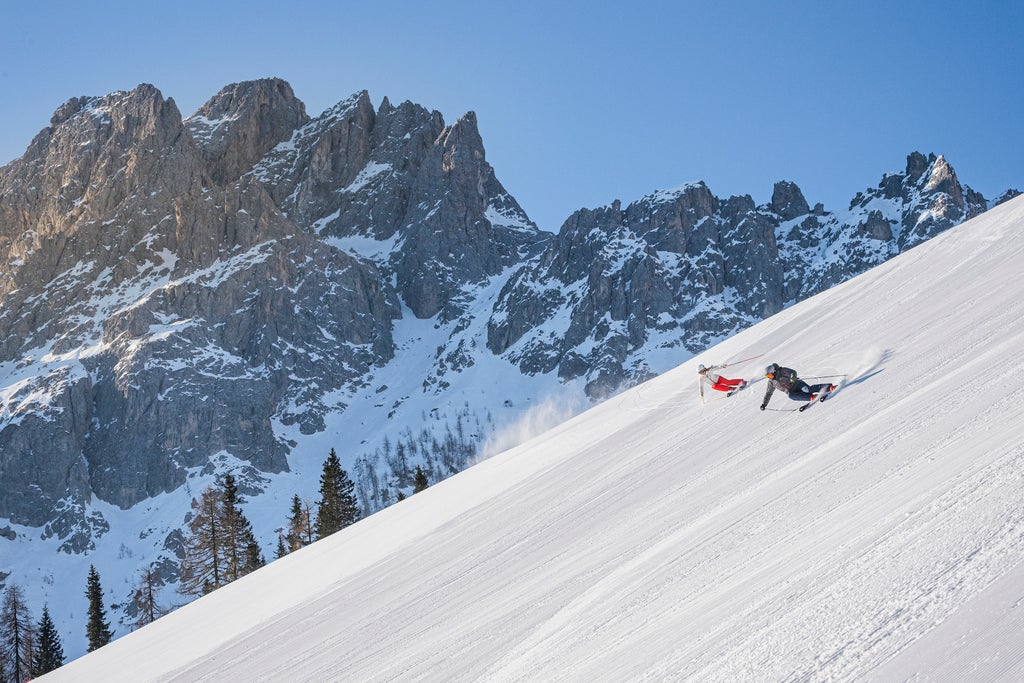
Set in the Upper Puster Valley in South Tyrol, close to the Austrian border, 3 Zinnen Dolomites forms part of the Dolomiti Superski network and sits within the UNESCO‑listed Dolomites. The ski area is known for its dependable winter conditions, with consistent natural snowfall complemented by an extensive snowmaking system that helps maintain good coverage throughout the season. Its position on the northern edge of the Dolomites also contributes to generally reliable snow conditions compared with more southerly Alpine resorts.
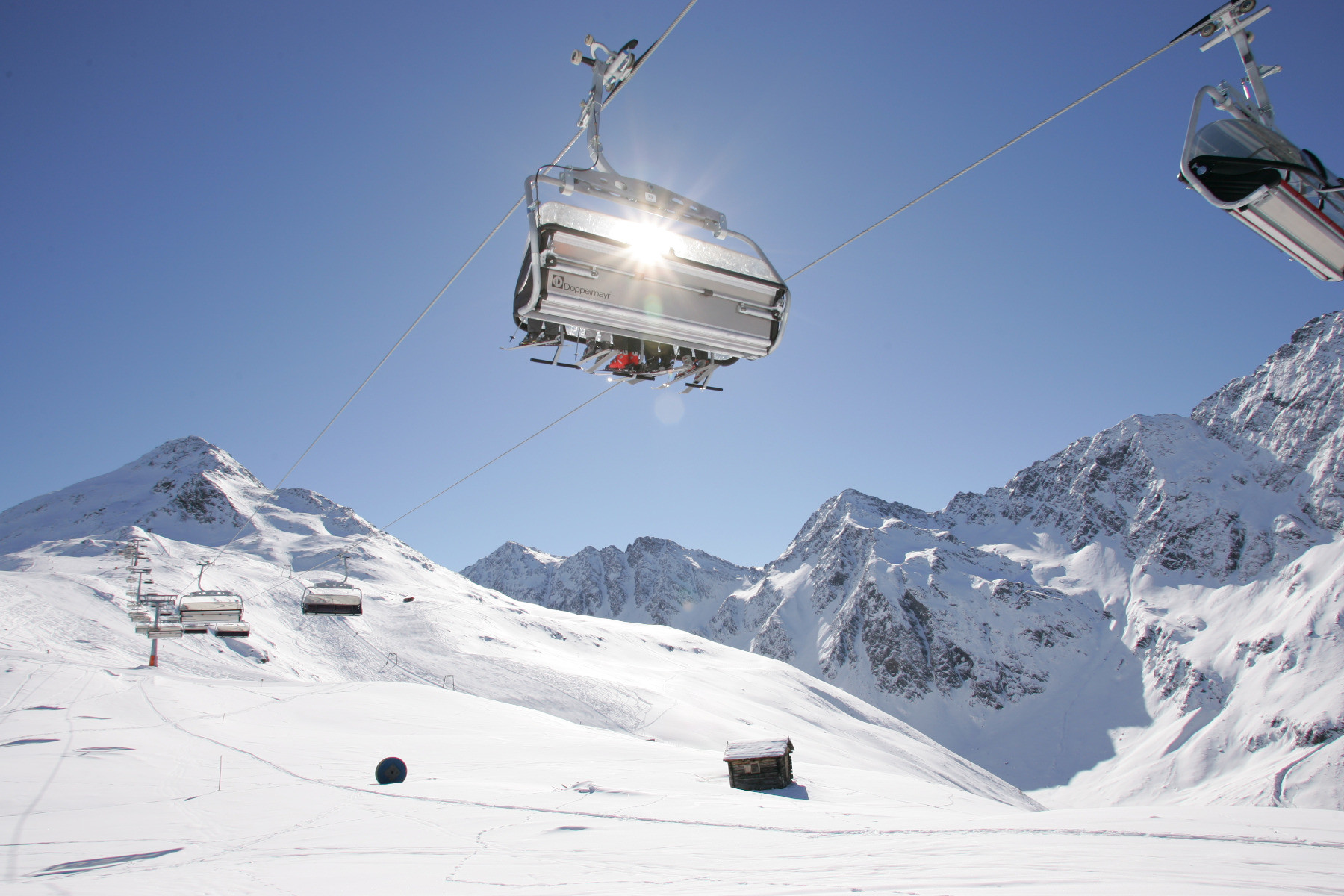
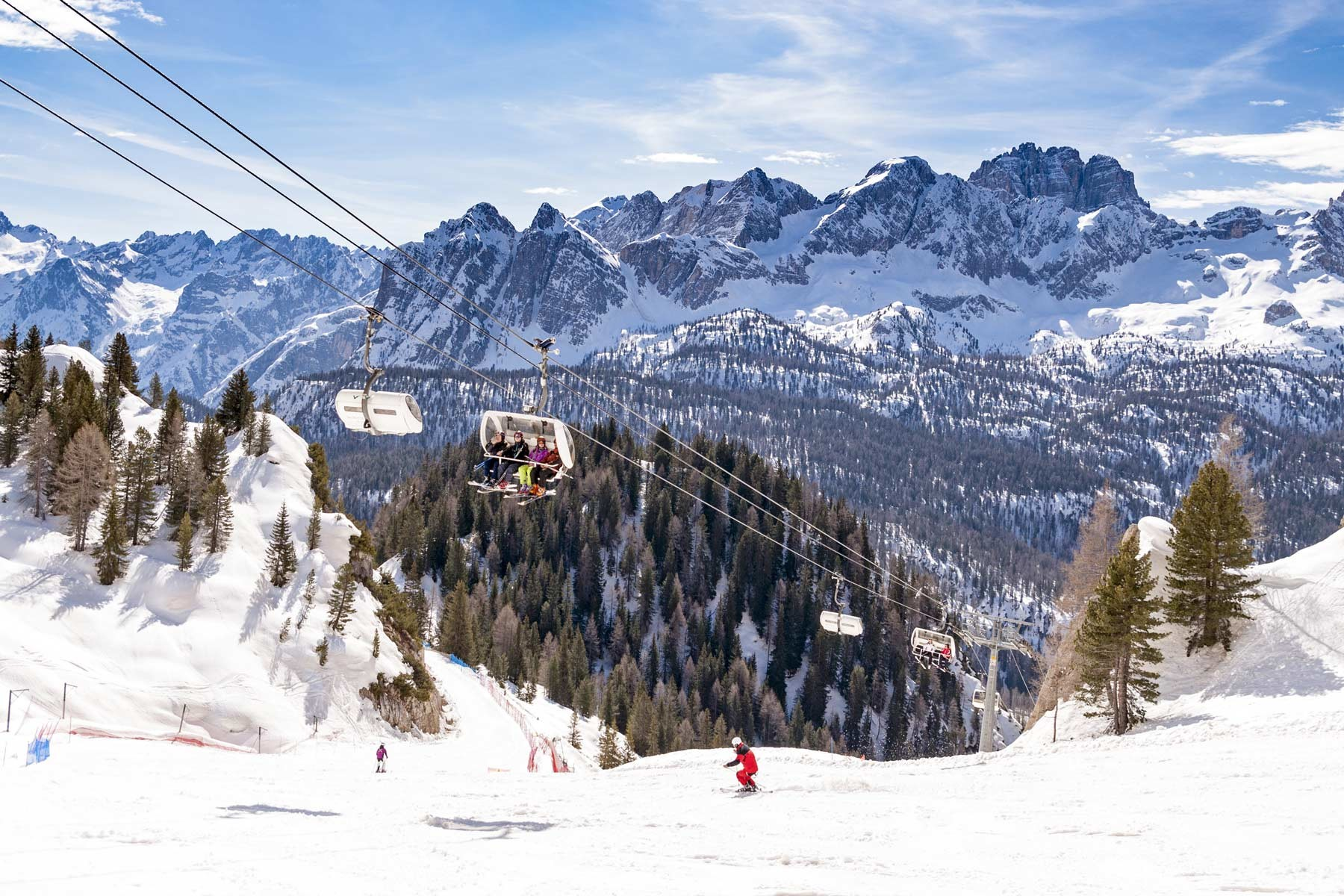
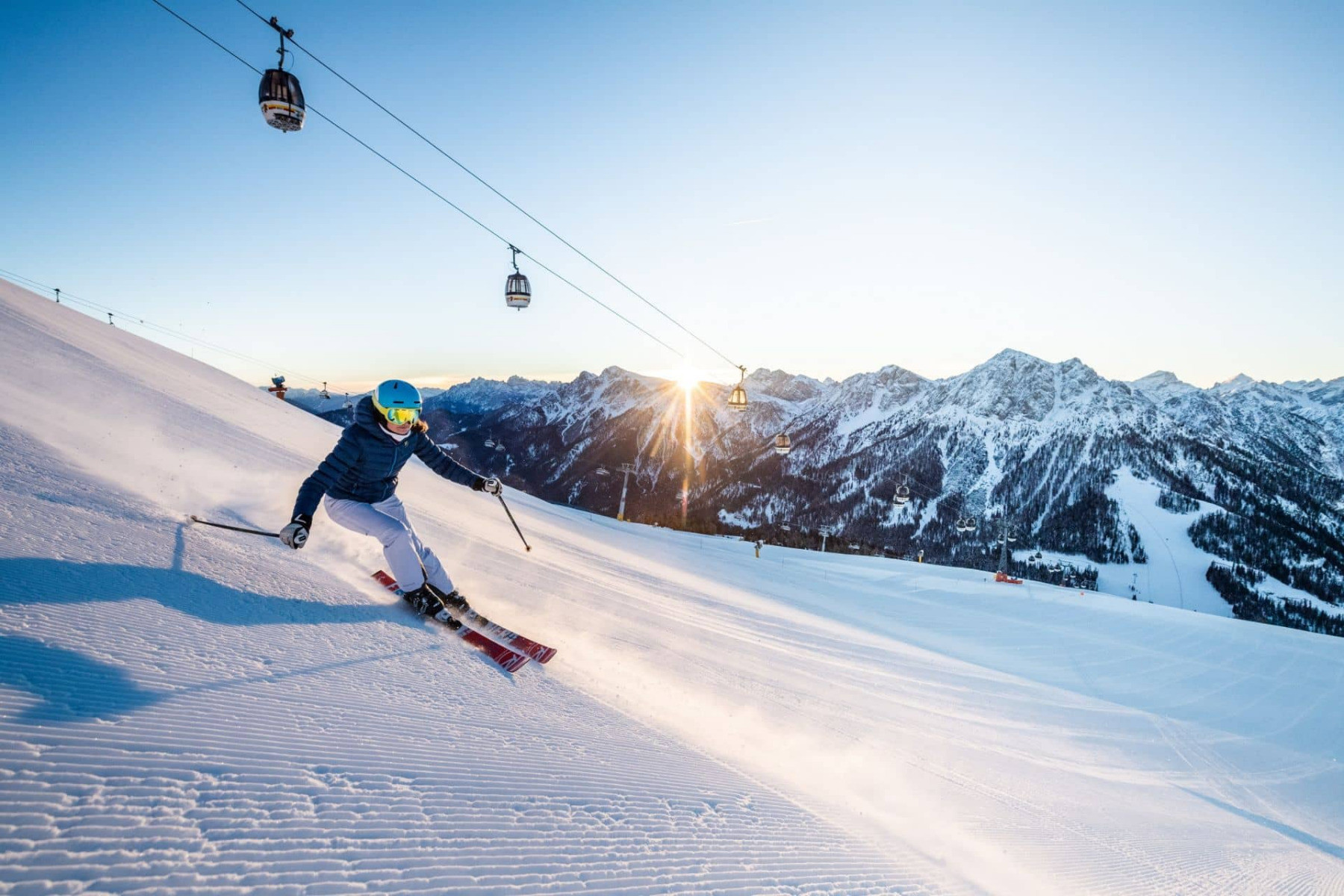
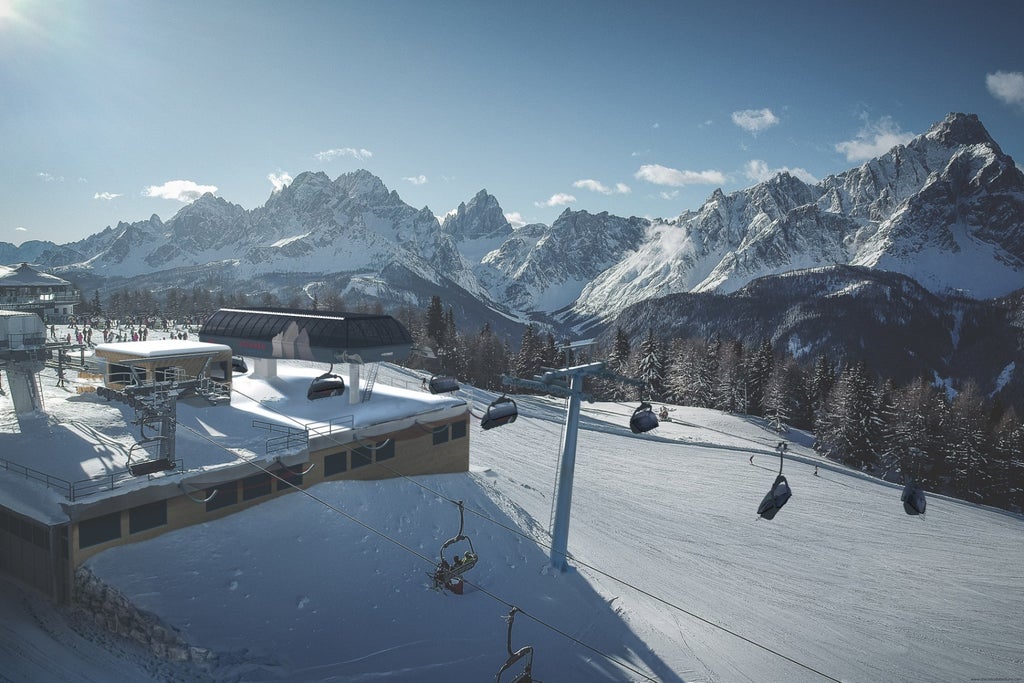
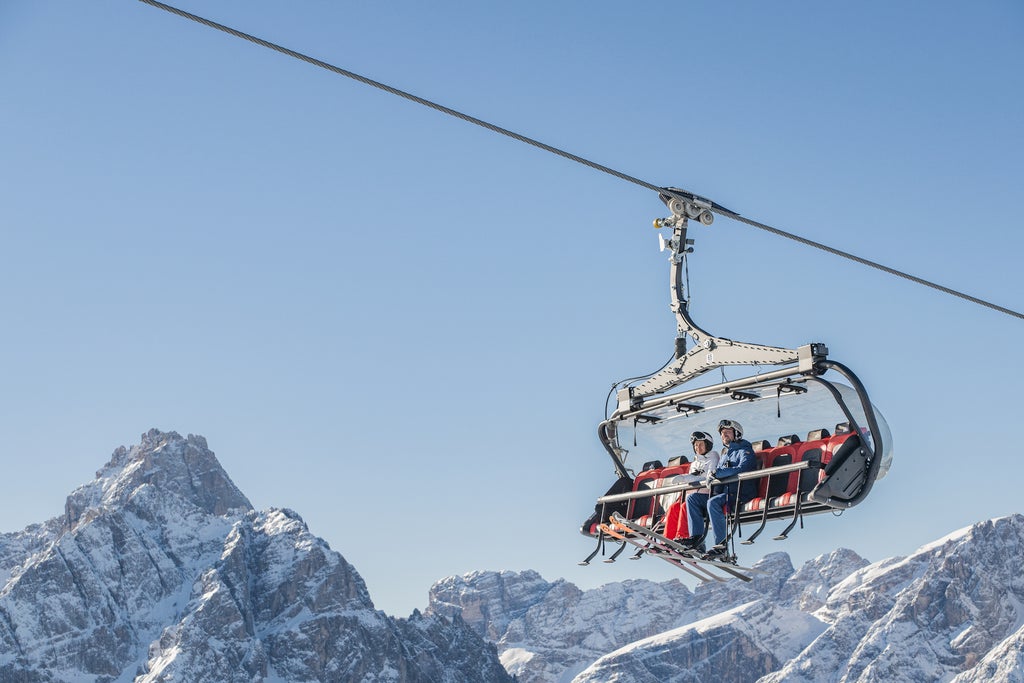
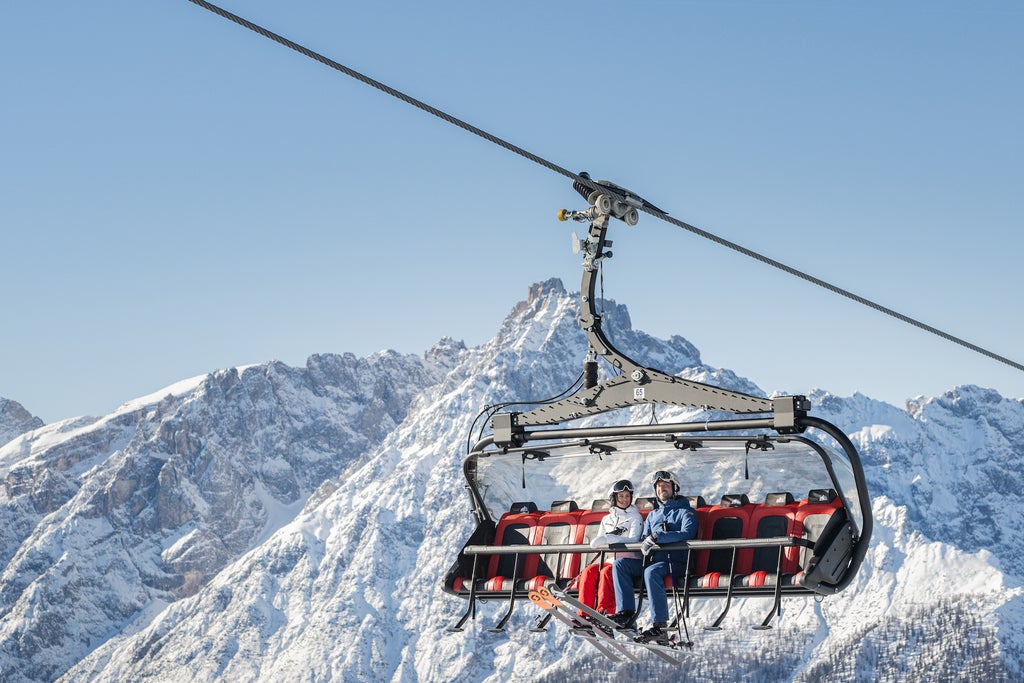
The resort brings together five interconnected mountains, offering 115 km of pistes served by 31 modern lifts. In total, there is a well‑balanced spread of blue runs for beginners, red pistes for intermediates, and a smaller selection of black runs for confident, advanced skiers, including some notably steep descents. The linked layout allows skiers to move easily between sectors without using a car, making it straightforward to explore a wide variety of terrain over several days.
Families are particularly well catered for, with gentle learning areas, ski schools, children’s zones and dedicated family sectors like Monte Baranci, which also offers sledging and regular night skiing. Beyond the pistes, visitors can enjoy attractive villages, efficient public transport links, and panoramic mountain scenery at every turn. For skiers looking for variety, strong infrastructure, and a relaxed Alpine atmosphere combined with Italian hospitality, 3 Zinnen Dolomites offers a well‑rounded and appealing winter destination without feeling overdeveloped or overwhelming.
Plan Your Trip
Transportation
Reaching 3 Zinnen Dolomites is straightforward thanks to a range of well‑connected transport options. The closest airport is Bolzano Airport, approximately 100 km (62 miles) from the resort, with onward connections by Südtirol Bus, shuttle services, or hire car. Larger international airports provide additional flexibility: Innsbruck lies around 130 km (80 miles) away, while Treviso and Venice are located at roughly 170 km (105 miles) and 190 km (118 miles) respectively, all offering seasonal shuttle transfers to the region. For those preferring rail travel, South Tyrol is well served by European train routes, with local stations in Villabassa, Dobbiaco, San Candido, and Versciaco/Monte Elmo, giving direct access to the main ski areas and villages.
Once in the area, visitors can travel easily without a car. The Ski Pustertal Express train links the main villages and mountain access points, making it simple to move between ski sectors and accommodation bases efficiently and affordably. Local buses further complement the network, connecting stations, villages, and lift bases. Driving remains an option, with good road access through the Puster Valley, but many British travellers find that flying into Bolzano or Innsbruck and continuing by train or shuttle offers the best balance of convenience and cost, especially given the resort’s excellent public transport infrastructure.
Important Dates
- Projected opening dateNov 28, 2026
- Projected closing dateApr 04, 2027
- Years Open70
- Average Snowfall174cm
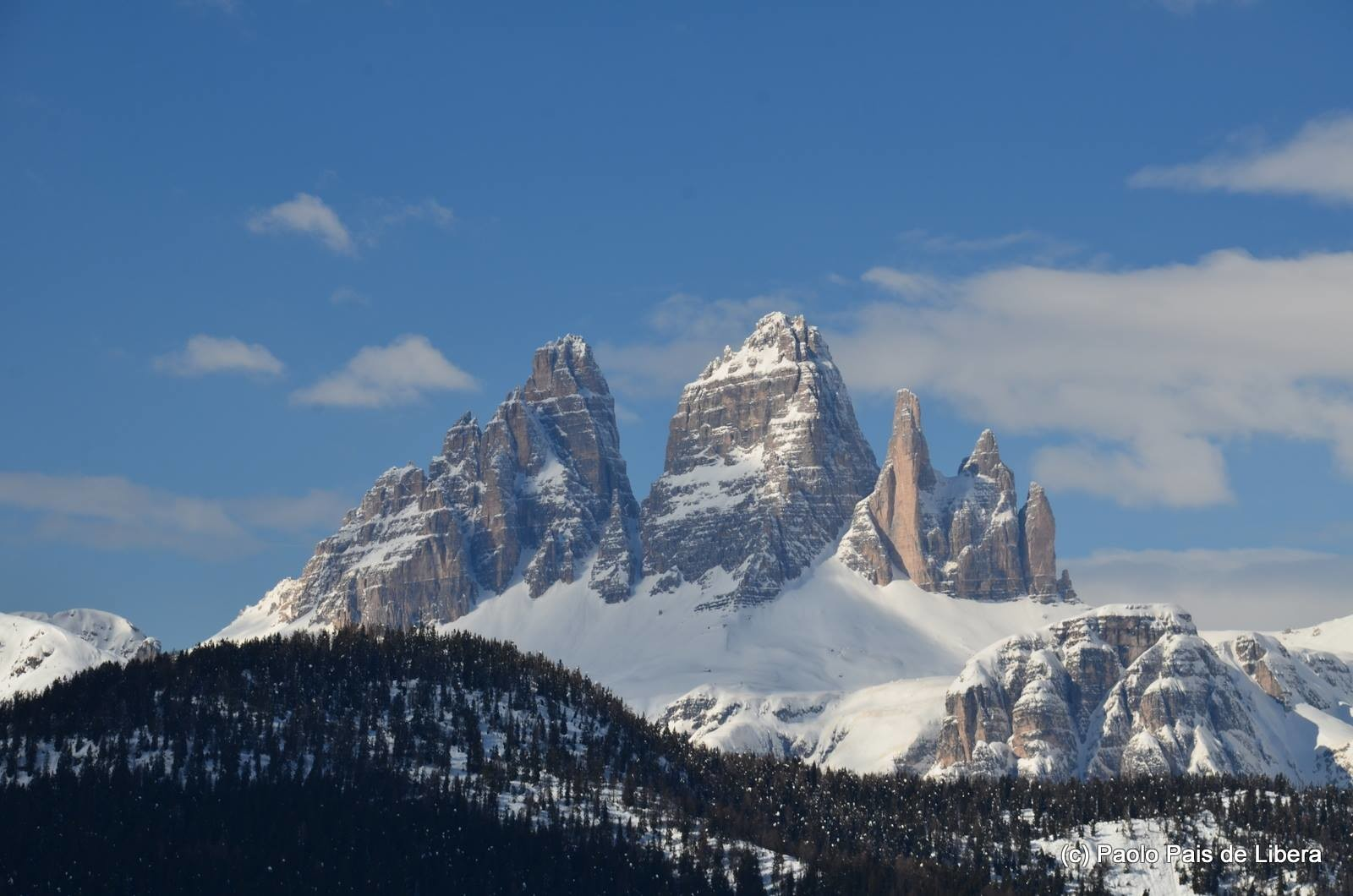
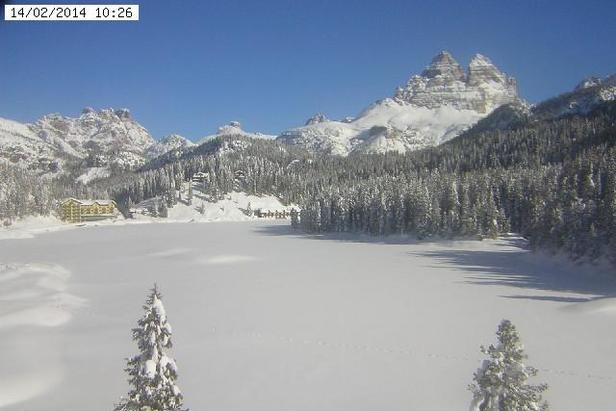
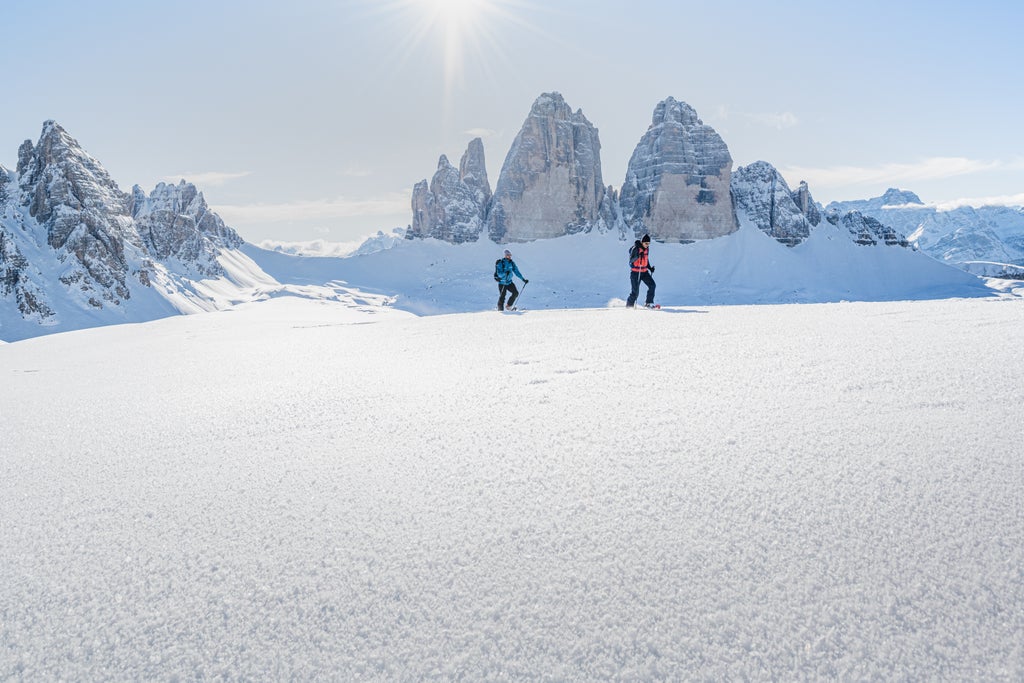
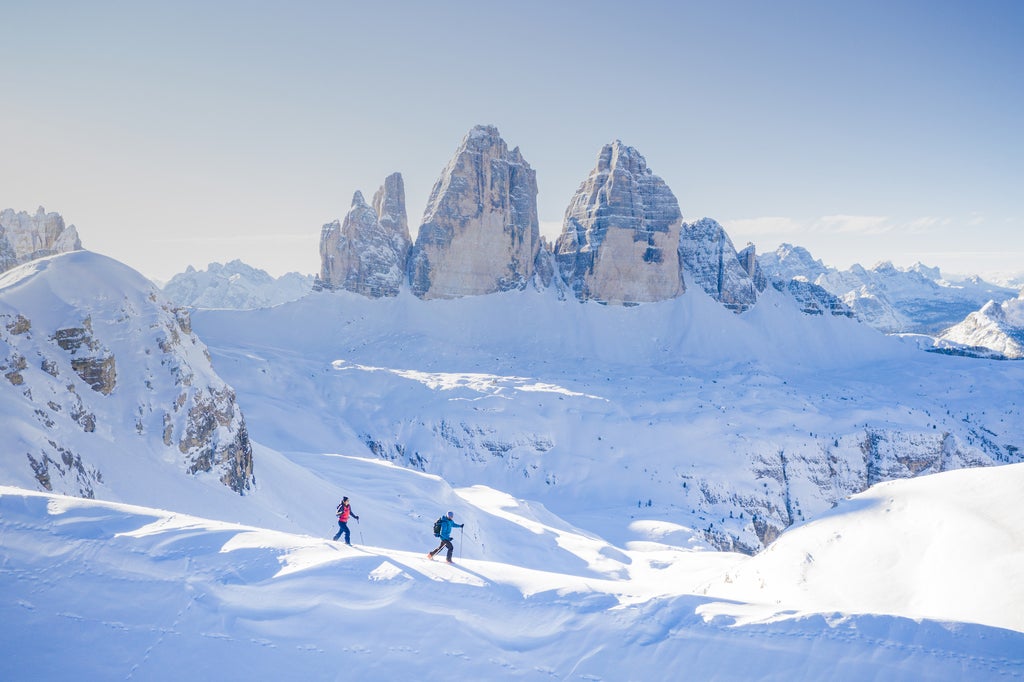
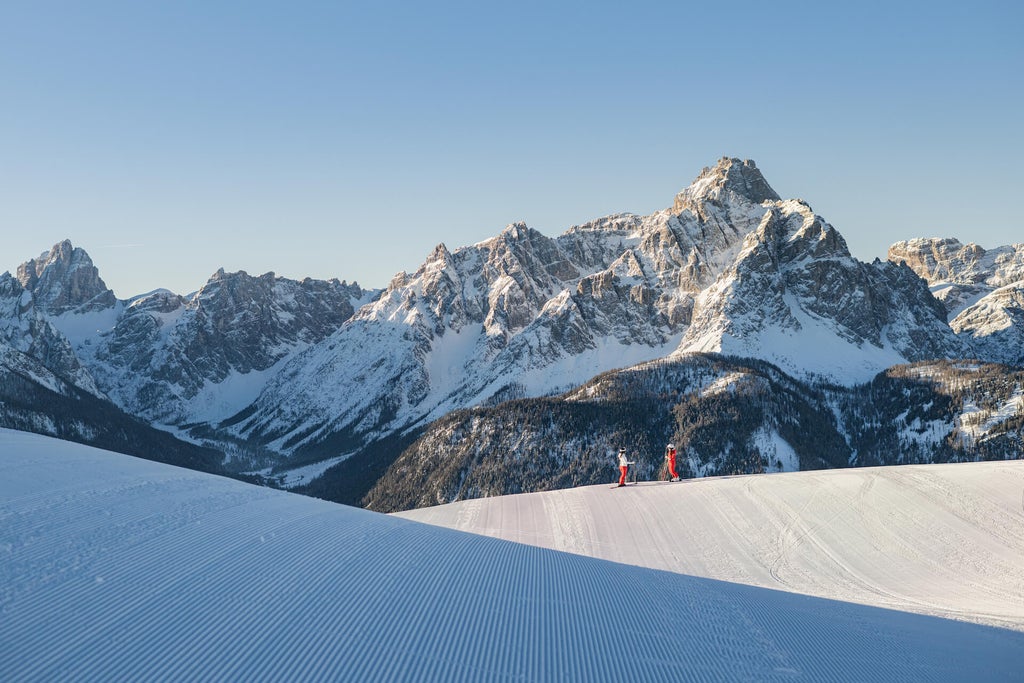
3 Zinnen Dolomites is a five-mountain ski area with 115 kilometres of slopes (blue, red and black), set in the Dolomites UNESCO World Heritage landscape. The resort links Monte Elmo, Stiergarten, Croda Rossa, Kreuzberg, and the Val Comelico area, giving it a real from-point-to-point feel. The scenery is part of the daily skiing experience, offering unrivalled vistas which make for a truly special skiing experience.
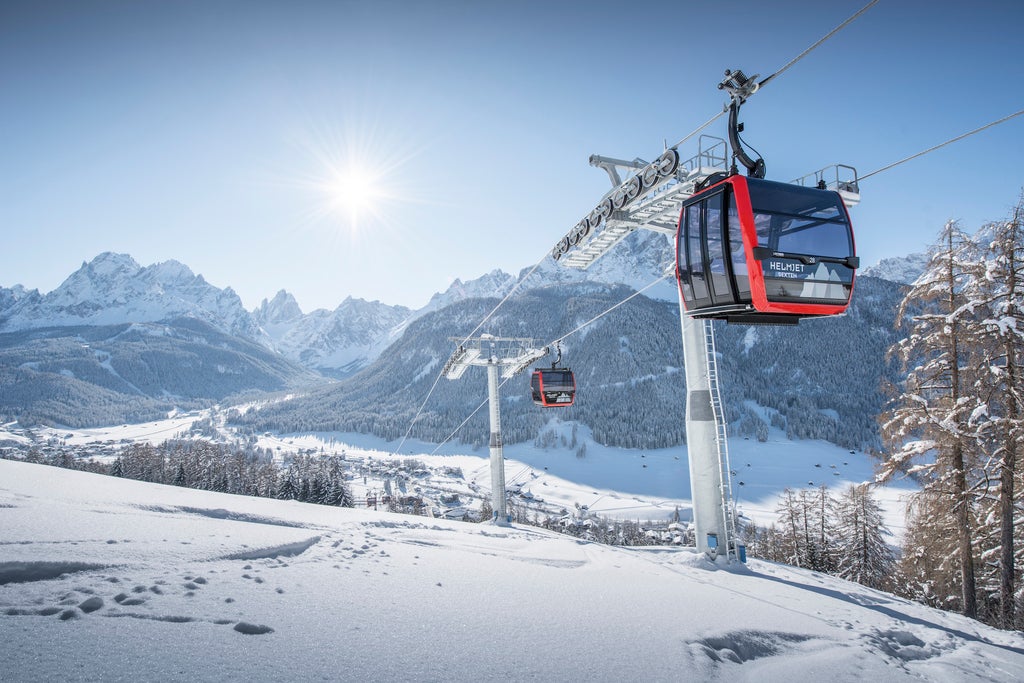
The lift network makes it easy to move across the resort, with access from Helmjet in Sexten, the Drei Zinnen/Stiergarten connection, and the Croda Rossa side.
For families and beginners, Monte Baranci is the most clearly family-oriented area, while the resort also highlights easy practice areas and valley lifts for learners. For advanced skiers, the standout challenge isHolzriese on Croda Rossa, described as Italy’s steepest slope at 71%. The area also includes fun features like funslopes, ski-cross elements, and a snowpark, so it works well for mixed-ability groups.
Terrain
Lifts
31Inside Scoop
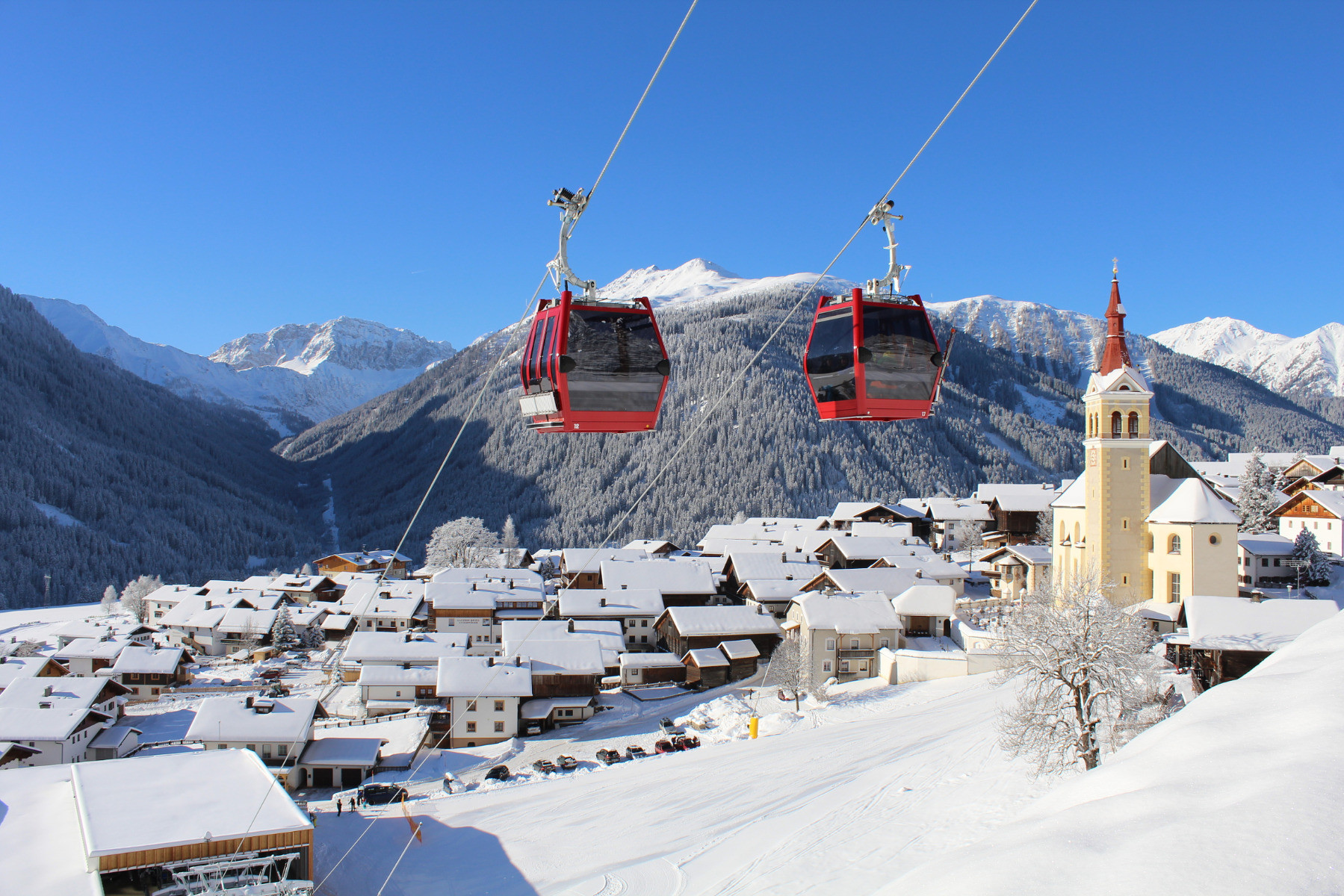
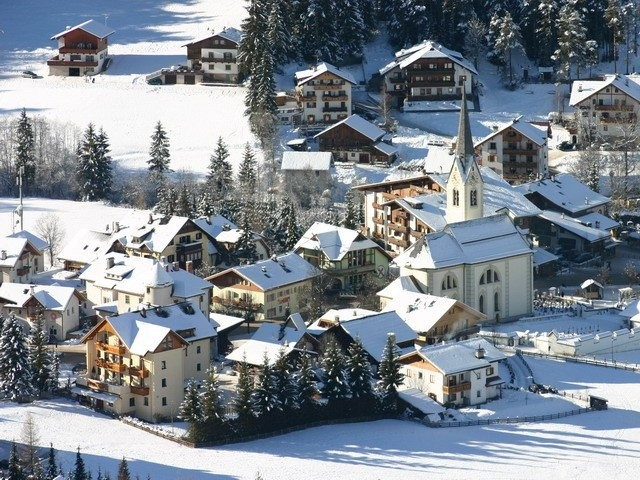
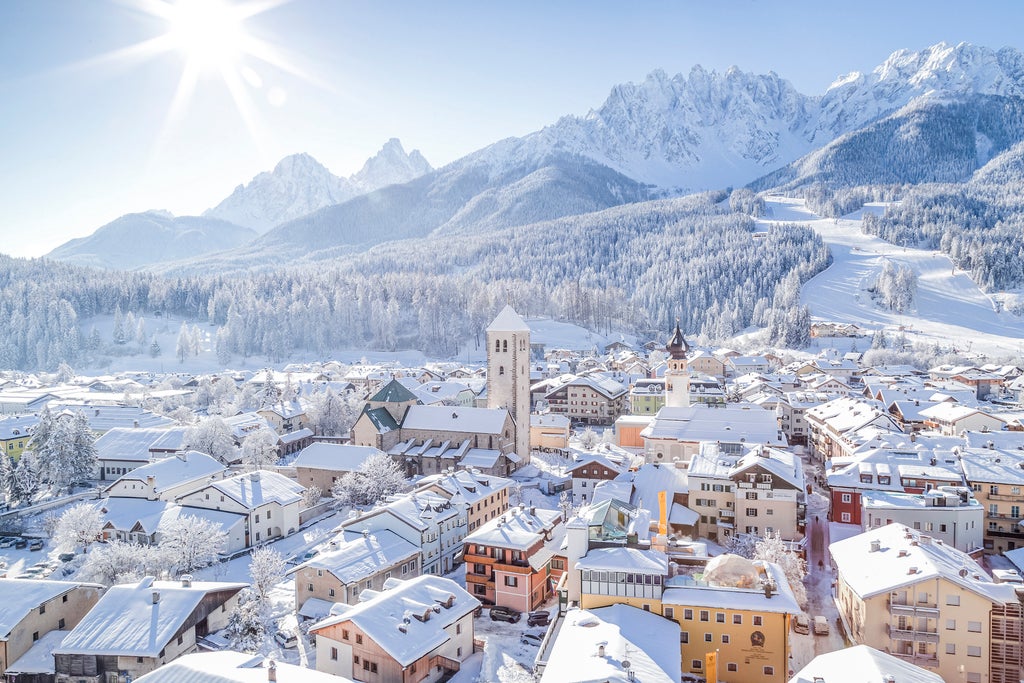
If you want to experience 3 Zinnen Dolomites like someone who really knows the place, start by choosing your village carefully—each one offers a very different rhythm to your ski week. San Candido, at the base of Monte Baranci, is perfectly walkable and feels more like a lively Alpine town than a purpose‑built resort, with historic buildings, boutique shops and plenty of inviting cafés for a mid‑afternoon pause. It’s ideal if you like to step off the slopes and straight into local life rather than back onto a ski bus.
For a more ski‑focused stay, Sesto is the go‑to base. This is where you’ll find accommodation that lets you head out on skis directly in the morning and glide back in at the end of the day, with the mountains feeling very much part of daily life. If you’re travelling with non‑skiers or simply like to mix skiing with other outdoor adventures, Dobbiaco works brilliantly as an adventure basecamp, thanks to its proximity to cross‑country skiing routes, winter walking trails and broader outdoor experiences.
One of the quieter pleasures of the area is Villabassa, Italy’s first spa adventure village and the geographical heart of 3 Zinnen Dolomites. It’s a smart choice for visitors who want skiing during the day and proper relaxation afterwards, especially if wellness is high on your priority list. Braies, meanwhile, is beloved for its proximity to the famous Lake Braies and its direct access to an extensive network of cross‑country ski and hiking trails—well worth planning time for, even if downhill skiing is your main focus.
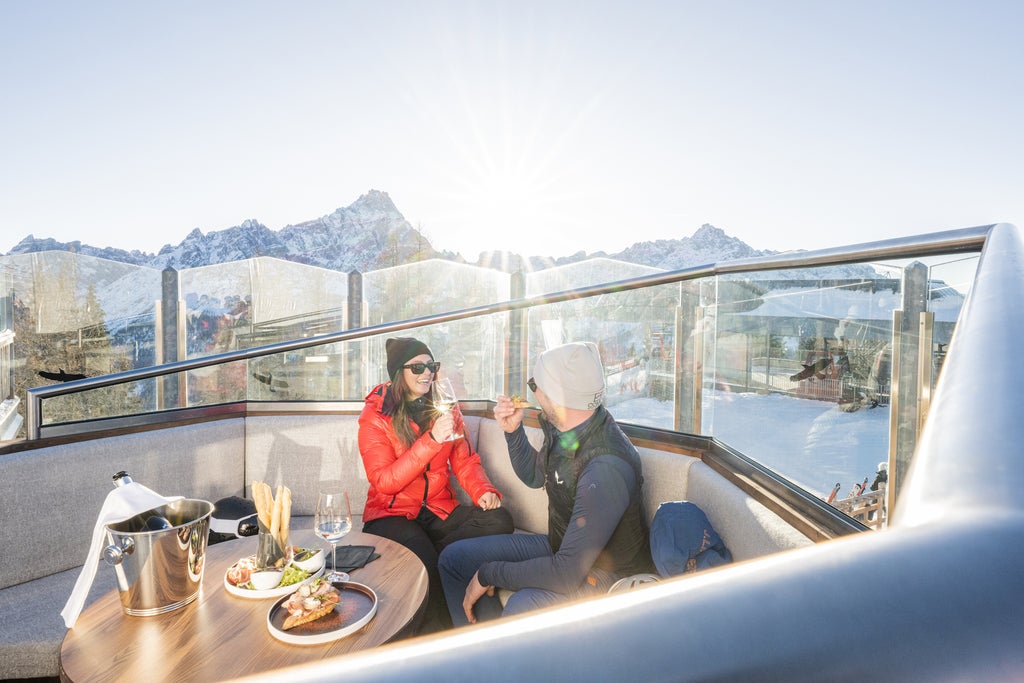
Food is a genuine highlight here, and timing makes all the difference. As the light softens late in the afternoon, heading to a panoramic terrace such as Ristorante Monte Elmo turns the end of the ski day into something memorable—perfect for an aperitif or a glass of sparkling wine while the Dolomites glow. Rifugio Gigante Baranci is another excellent stop, known not just for its sunny patio but also for its mix of South Tyrolean and Mediterranean dishes. It’s also a particularly good option if anyone in your group is gluten‑free, something that’s carefully catered for on the menu.
For dinner, there’s a strong sense of place on the menu across the area. Jora Mountain Dining on Monte Baranci overlooks San Candido and is a favourite for its warm, home‑style setting and its focus on South Tyrolean cooking using products from local farms. If you’re staying near Sesto, Restaurant Froneben, a family‑run inn and farm above the valley, combines striking views with food that reflects the region’s agricultural roots. In Villabassa, Adler Stube at Hotel Adler is a must for atmosphere alone, with regionally inspired dishes served in a historic parlour with original 16th‑century panelled ceilings.
Finally, don’t treat culture as something separate from your ski days—it fits naturally into the rhythm of the resort. In San Candido, the DoloMythos Museum, the largest Dolomites museum, is a fascinating way to understand the geology and stories behind the mountains you’ve been skiing. Art lovers should make time for the Rudolf Stolz Museum in Sesto, while the most distinctive visit of all is the Reinhold Messner Haus on Monte Elmo, housed in a former cable car station and dedicated to alpine heritage, values and storytelling. It’s the perfect way to round off a day on the snow and adds real depth to a trip to 3 Zinnen Dolomites.