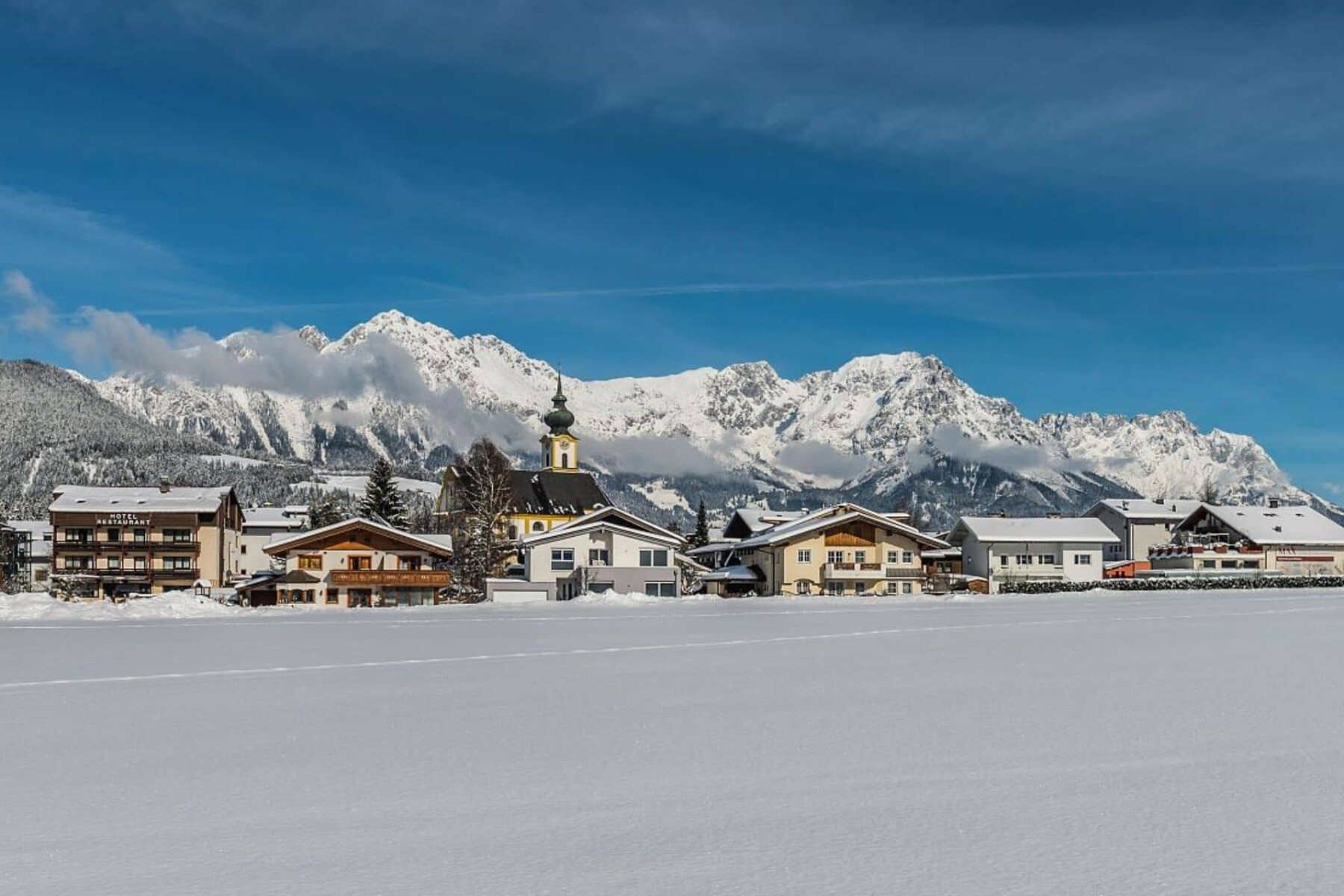
Kitzbühel Overview
Kitzbühel
- Projected Opening
- Nov 06
- Projected Closing
- Apr 11
- Lifts
- 58
- Trails
- 90
- Skiable Terrain
- 567 ha
- Base
- 800m
- Summit
- 2,000m
- Vertical Drop
- 1,200m
- Average Snowfall
- 242cm
- Nov37cm
- Dec44cm
- Jan66cm
- Feb51cm
- Mar32cm
- Apr20cm
Related News


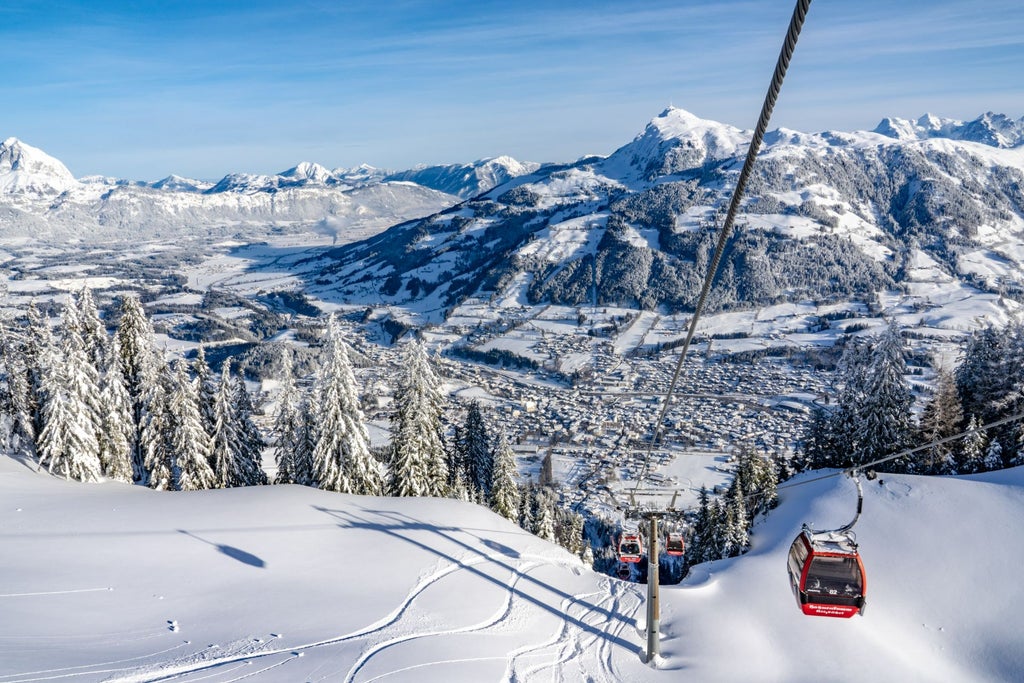
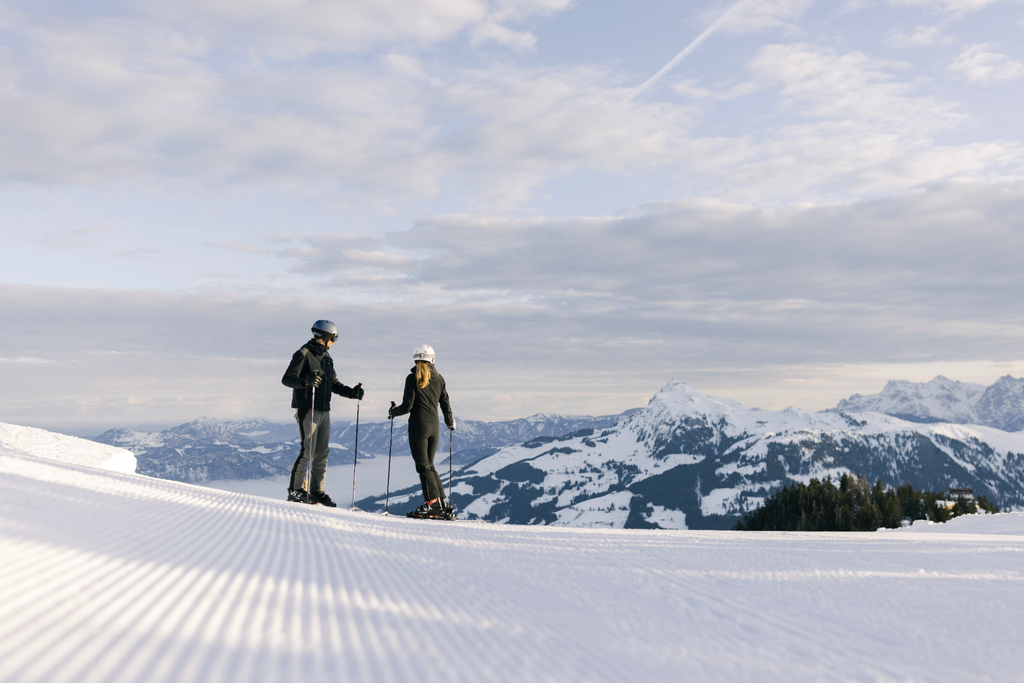
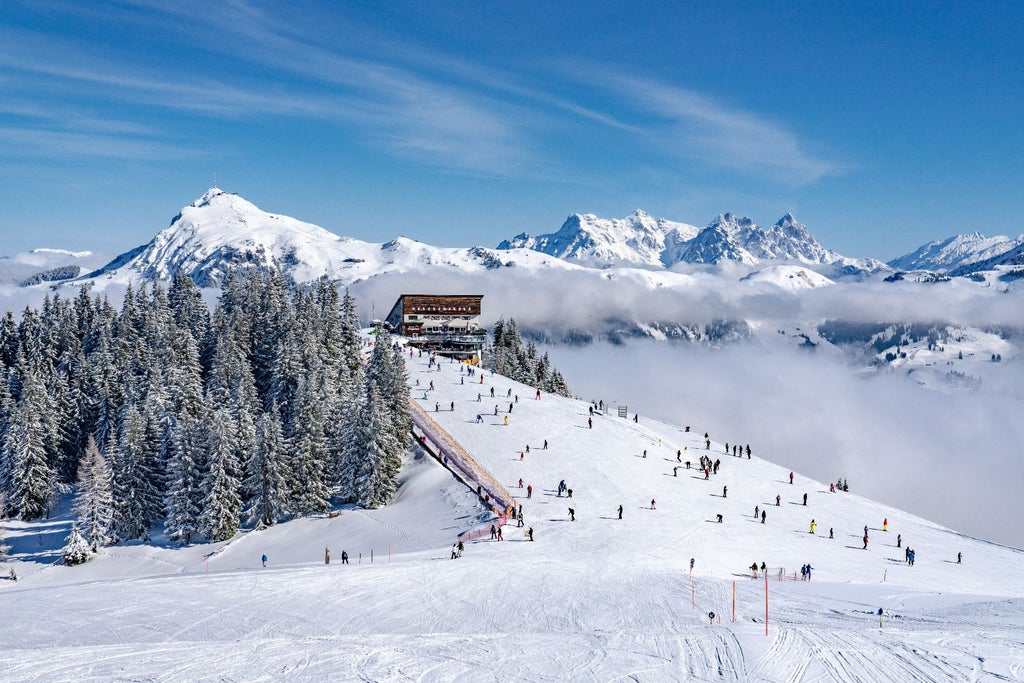
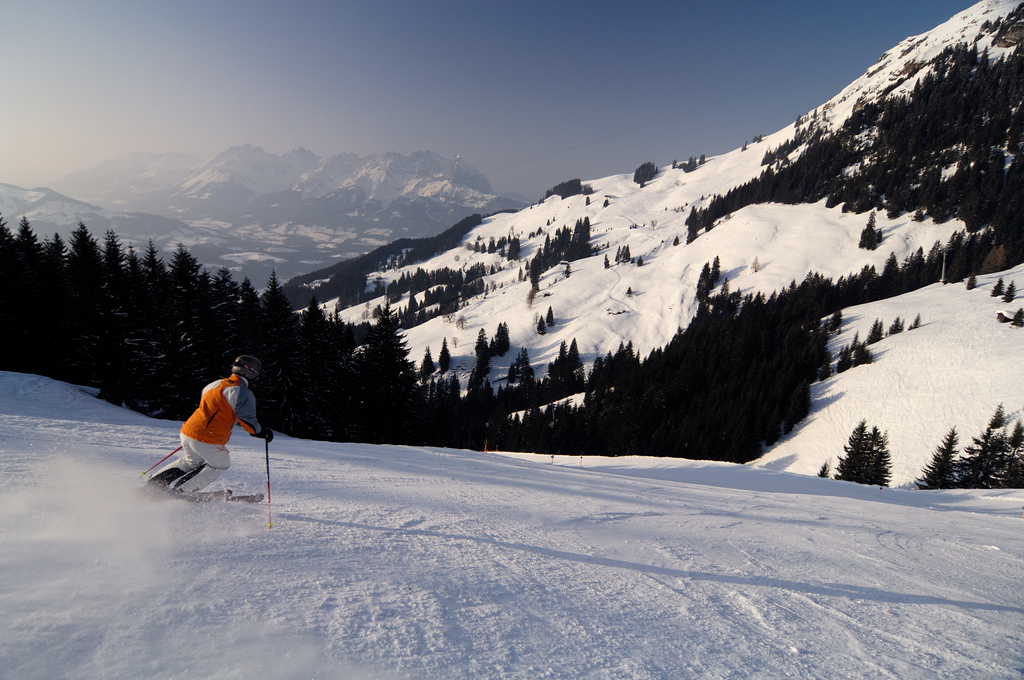
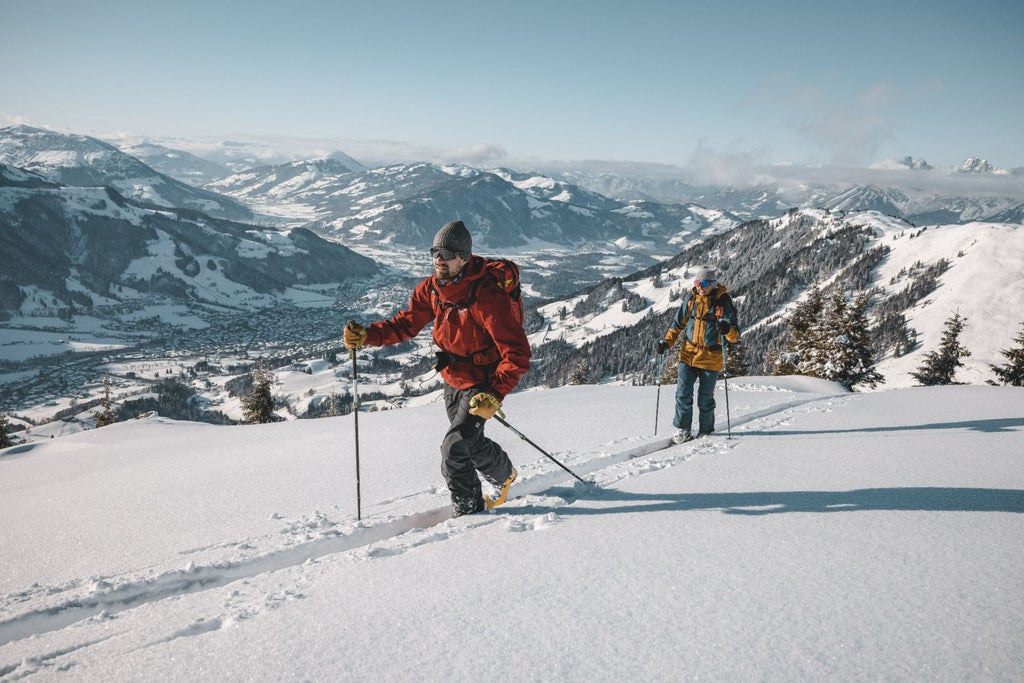
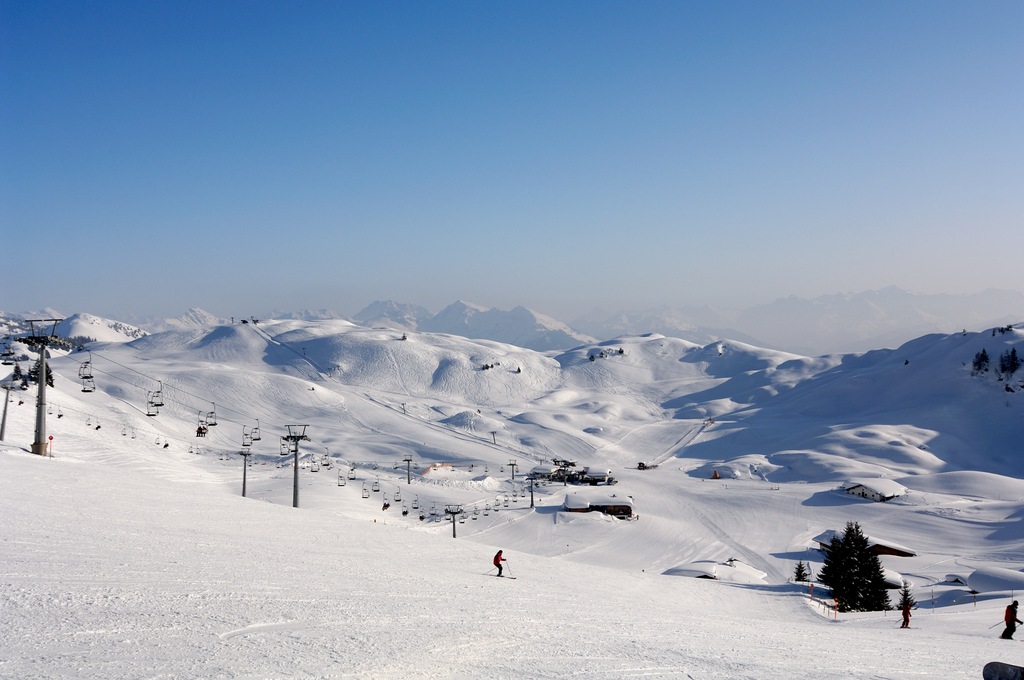
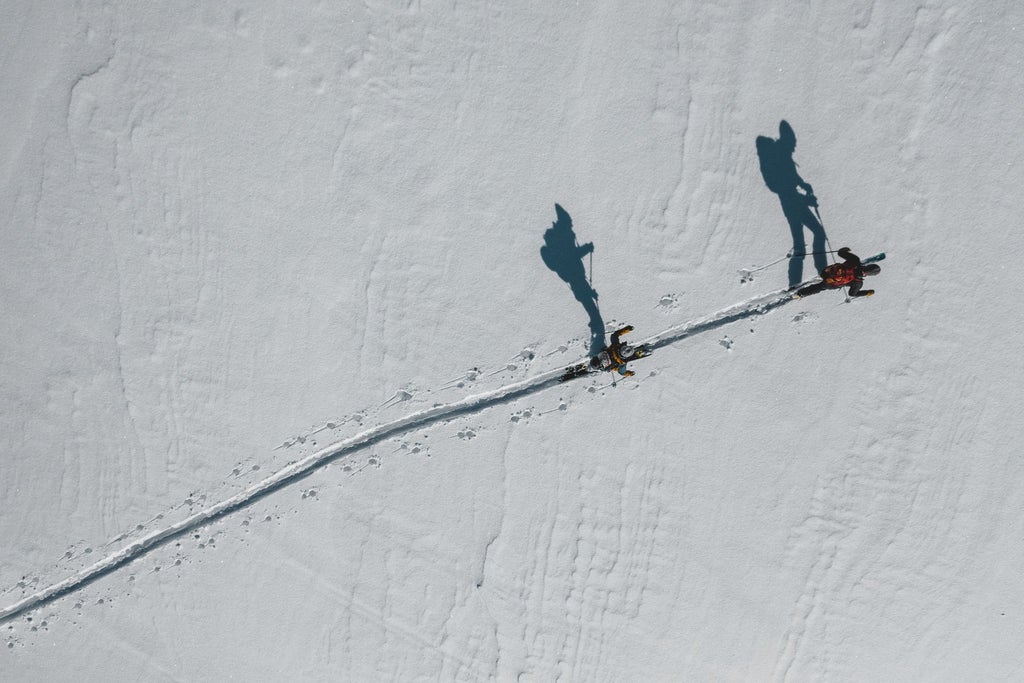
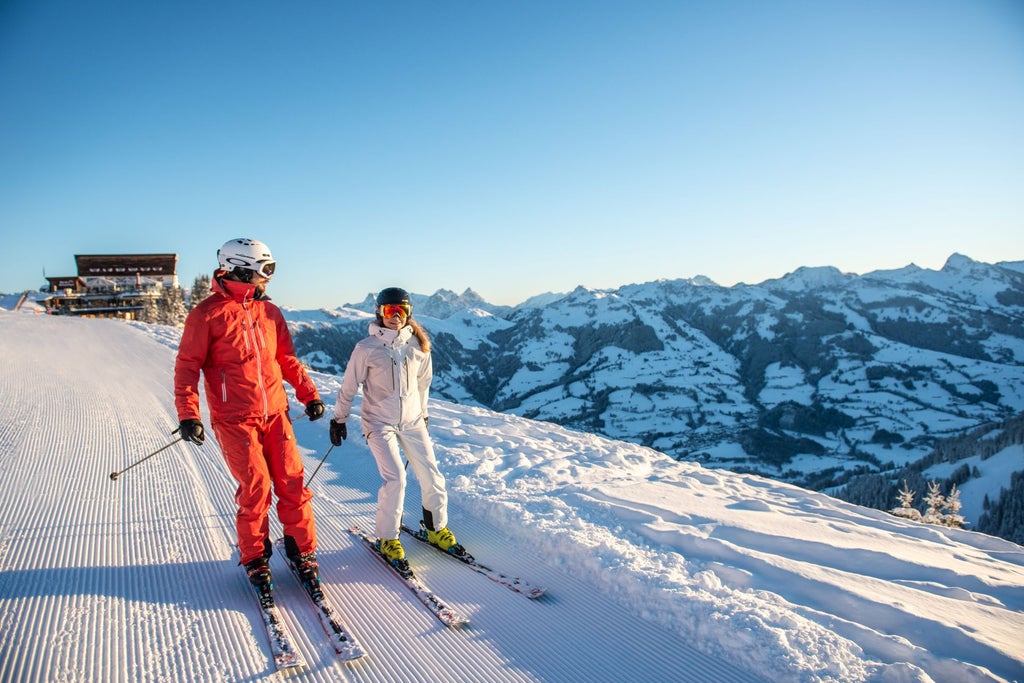
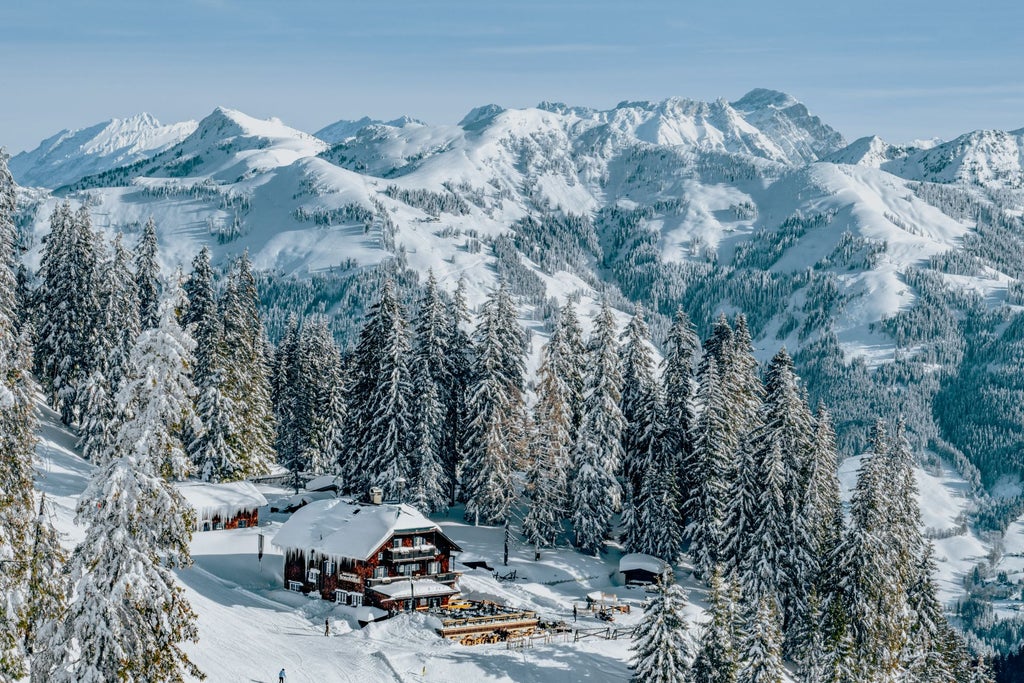
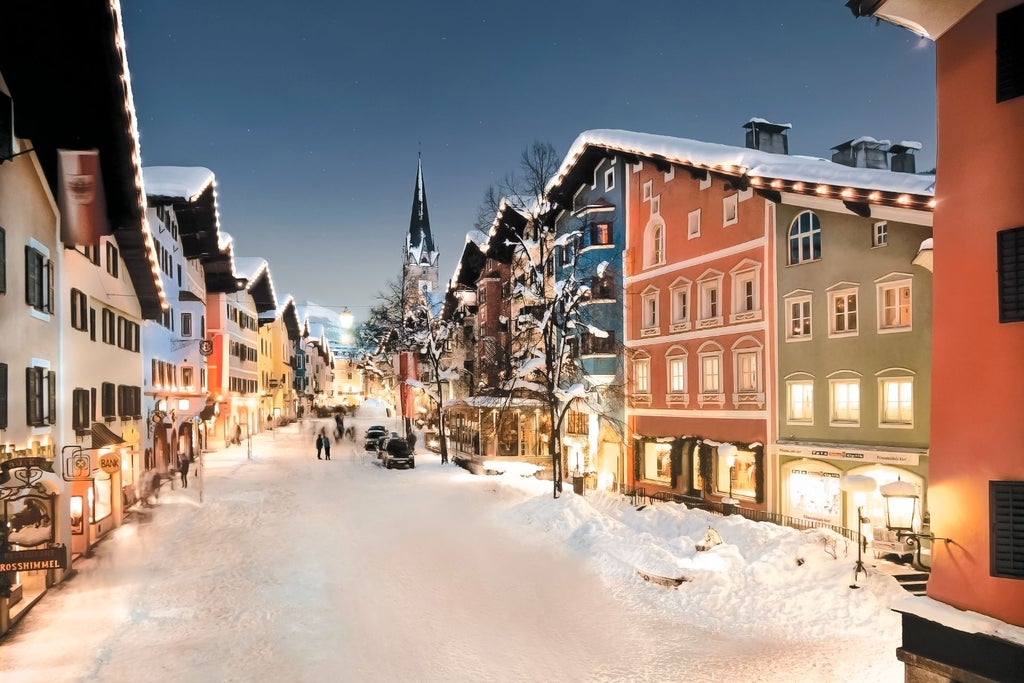
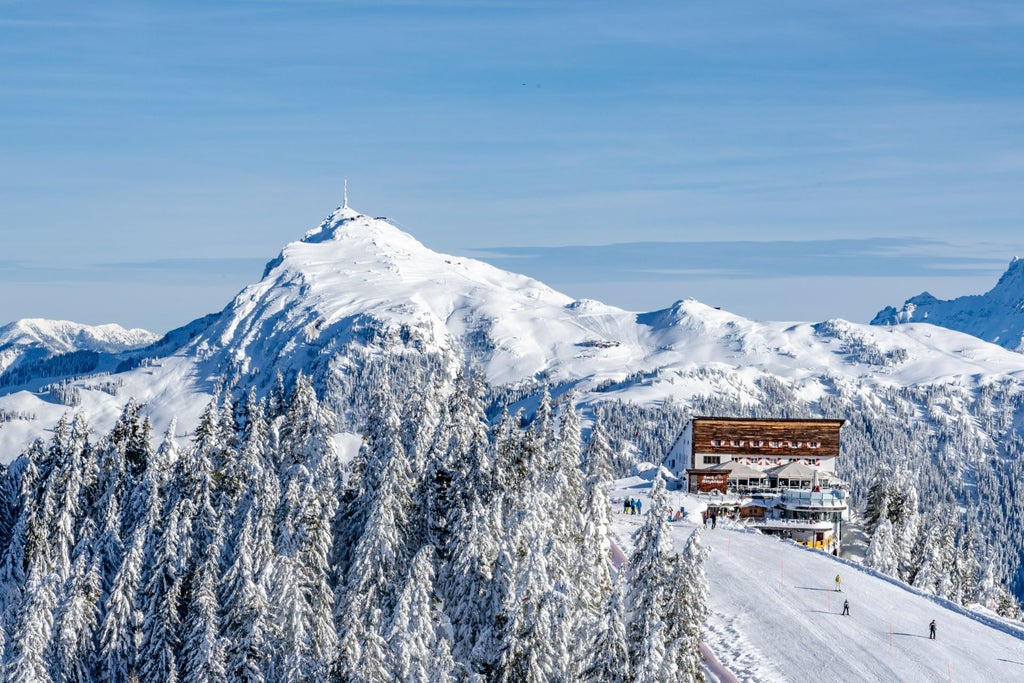
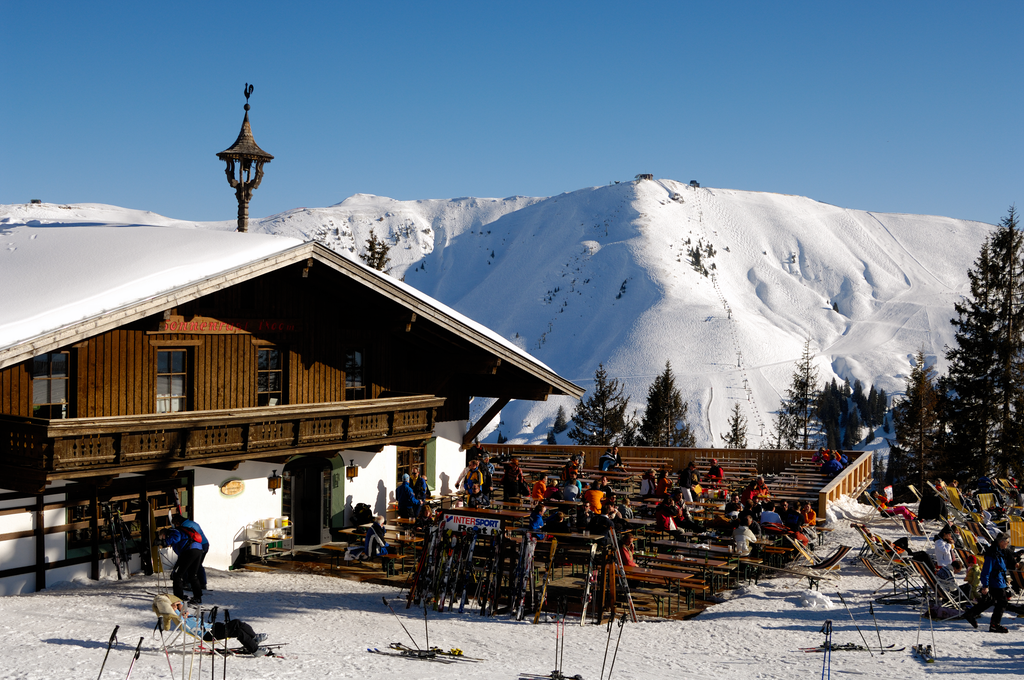
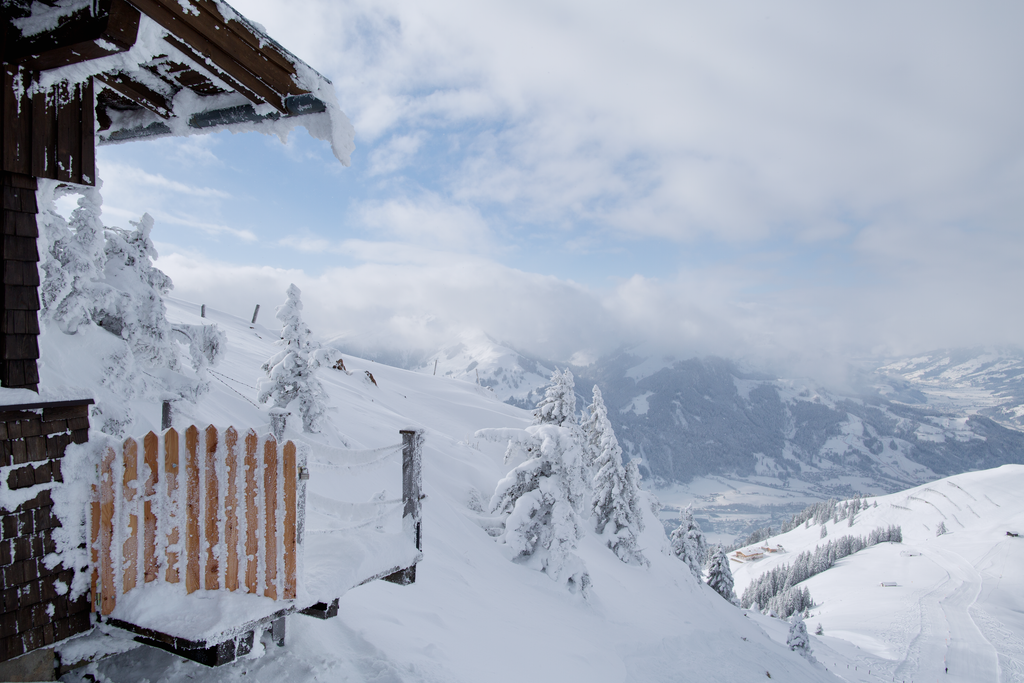
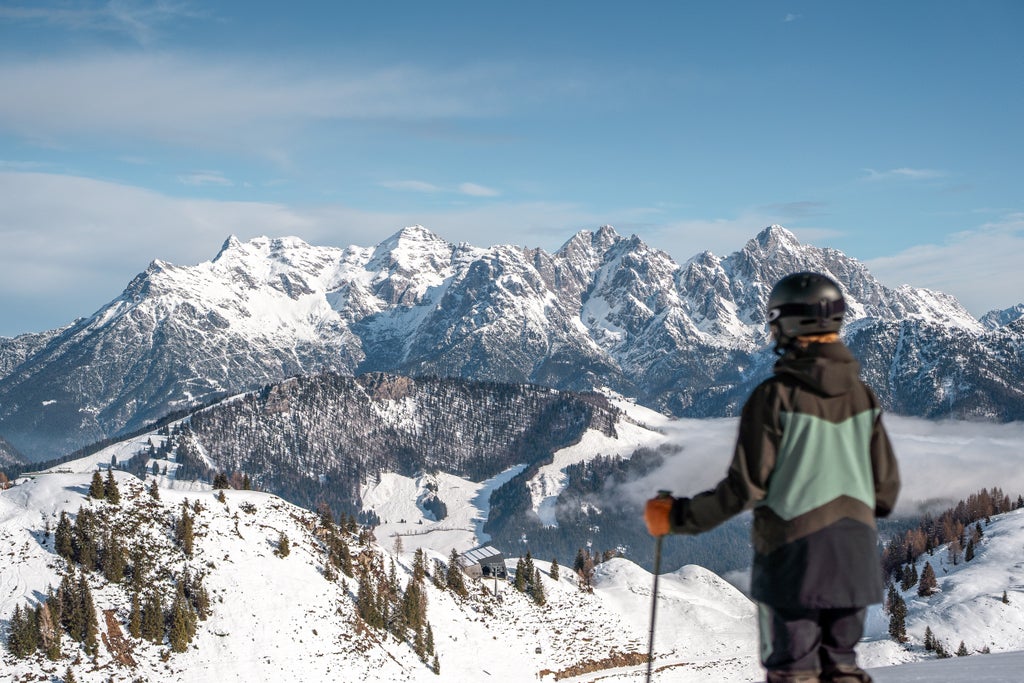
Kitzbühel, located in the Tyrolean Alps of Austria, is one of Europe’s most iconic ski resorts, renowned for its alpine charm, historic town, and world-class skiing. Positioned between Salzburg and Innsbruck, it offers easy access while maintaining the atmosphere of a traditional alpine village. The resort receives an average of 239 cm of snow annually and supports this with extensive snowmaking, ensuring reliable conditions throughout the winter season.
The ski area spans 567 hectares, with 90 pistes served by 58 lifts, offering seamless access across the mountain. The 188 km of skiable terrain includes a balanced mix for all levels—54% intermediate, 36% advanced, and 11% expert—making it a well-rounded destination for individuals, couples, and families. The facilities are especially accommodating for younger skiers, with ski schools, gentle learning areas, and kid-friendly zones conveniently located near the base areas.
What sets Kitzbühel apart is the combination of extensive terrain, a rich racing heritage (including the legendary Hahnenkamm downhill), and the town’s blend of medieval architecture and modern comforts. Whether you're a skier seeking variety or a holidaymaker after alpine culture and hospitality, Kitzbühel delivers an authentic mountain experience that continues to attract visitors year after year.
Plan Your Trip
Transportation
Kitzbühel is easily accessible via multiple transport options, making travel from the UK and across Europe convenient. The nearest major airports are Salzburg (around 75 km) and Innsbruck (about 97 km), both of which offer seasonal winter flights from major UK cities. From either airport, travellers can take direct train connections or use shuttle services to reach the resort. Munich Airport, approximately 160 km away, is also a popular option with regular train services to Kitzbühel via Wörgl or Kufstein.
For those preferring train travel, Kitzbühel has its own well-connected railway station served by ÖBB (Austrian Railways), with direct services from cities such as Salzburg, Innsbruck, and Munich. Coach services also operate during the winter season, providing cost-effective alternatives. Once in town, visitors can take advantage of free local ski buses and regular public transport that connect the base areas and accommodation quarters, making it easy to get around without a car.
Important Dates
- Projected opening dateNov 06, 2026
- Projected closing dateApr 11, 2027
- Years Open97
- Average Snowfall242cm
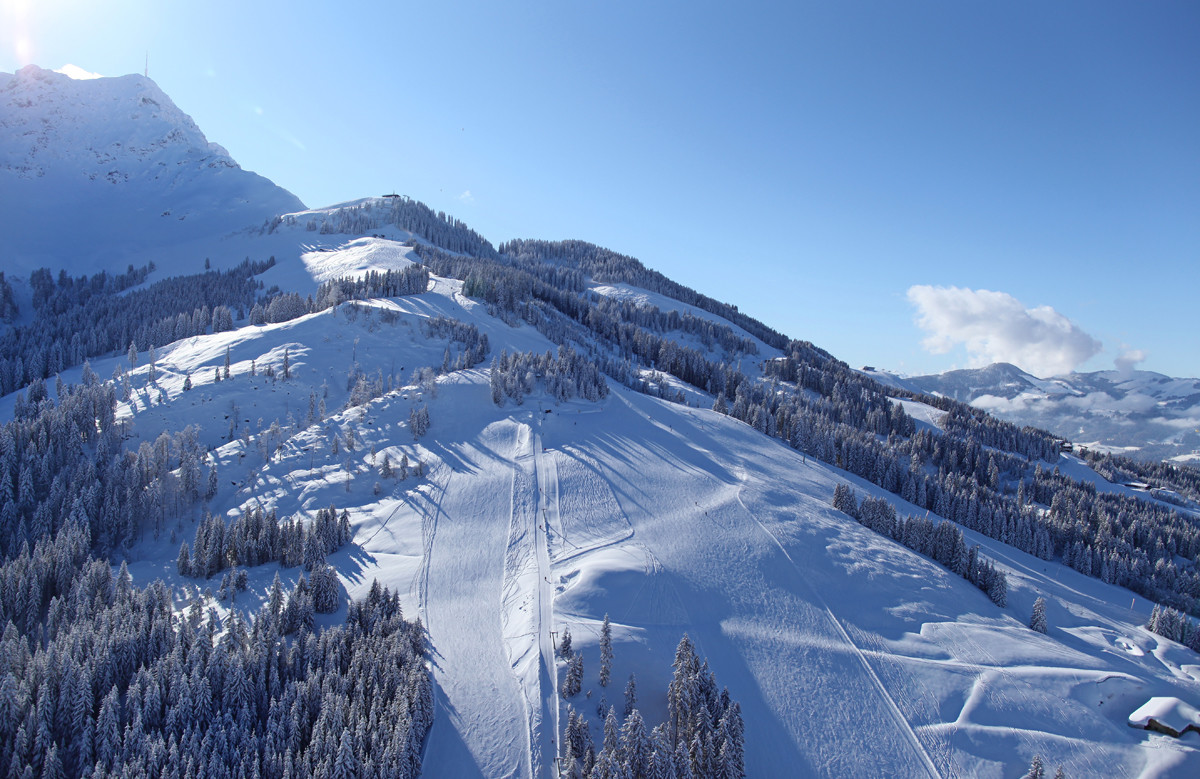
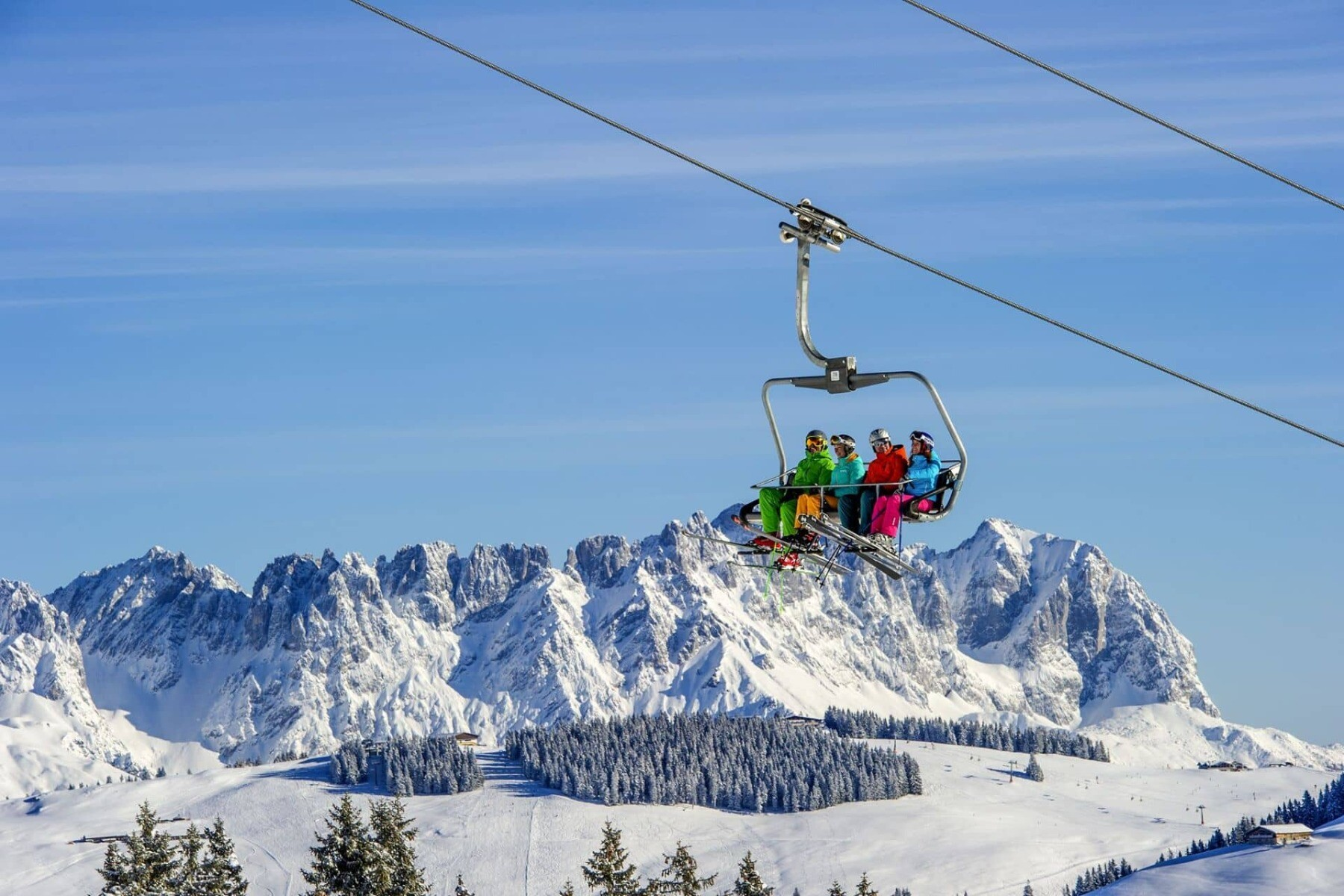
Kitzbühel's terrain is remarkably diverse, spread across several interconnected sectors including the Hahnenkamm, Ehrenbachhöhe, and the Jochberg areas. These are linked by an efficient lift system that includes high-speed gondolas, trams, and chairlifts. The 1200 m vertical drop from the summit at 2000 m down to the base at 800 m offers long, satisfying descents, including the 8 km run from Pengelstein to Kirchberg that winds through scenic alpine landscapes.
For beginners, the resort offers designated learning zones with gentle gradients near the base areas, particularly around the Kitzbüheler Horn. These areas are perfect for new skiers and families, with nearby access to ski schools and equipment hire. As skiers progress, they can explore the wide intermediate pistes that make up the majority of the terrain, offering steady cruising runs and beautiful viewpoints of the Kitzbühel Alps.
More experienced skiers can test themselves on steeper, more technical pistes in the Bichlalm area and beyond. The resort is known for the Hahnenkamm Streif, one of the most challenging downhill pistes in the world, though recreational skiers typically enjoy a more forgiving variant nearby. Expert-level routes and off-piste opportunities exist for those keen to explore advanced terrain safely.
Kitzbühel also caters to freestyle skiers and snowboarders with two snow parks featuring kickers, rails, and creative features for all levels. These parks are well-maintained and attract a vibrant community of riders throughout the season.
Beyond the skiing, the terrain itself adds to the resort's character—rolling ridges, forested descents, and wide-open alpine slopes offer a dynamic skiing experience. The picturesque mountain setting enhances every turn, with panoramic views that provide a memorable backdrop across the resort's varied landscape.
Terrain
Lifts
58Inside Scoop
One of the best-kept timing tips for Kitzbühel is to plan your visit in mid-January or early March. These periods often bring excellent snow coverage with fewer crowds, allowing more time on the pistes and less in the lift queues. Early mornings on the Pengelstein side tend to offer the freshest corduroy, while afternoons are well spent exploring the sun-soaked slopes near Jochberg.
For a quieter skiing experience, locals often head to the Resterhöhe sector, especially on weekends when the main areas are busier. This part of the mountain offers excellent intermediate runs, reliable snow thanks to its higher elevation, and a more relaxed atmosphere. If you're looking for untracked snow after a fresh fall, this area is often the place to find it—just head out early and stick close to marked pistes for safety.
When it comes to après-ski, most visitors head to the iconic spots around the Hahnenkamm base station, but those in the know often slip into small local venues tucked behind the town square or near Kitzbühel's old town. These places offer live music, Austrian specialities, and a warm, relaxed vibe far from the party crowds. Don’t miss a visit to a mountain hut like Bichlalm for lunch—it’s accessible via a short skin or hike and offers some of the best panoramic views of the Wilder Kaiser range.
Reviews
All Reviews »Kitzbuhl is a beautiful town, it has some lovely places to eat and drink. The ski bus is brilliant allowing you to travel all around the ski area free of charge. We went in late December 2022 and found everything we needed. The food on the mountain is great. The gondolas are great spec’ and the heat…