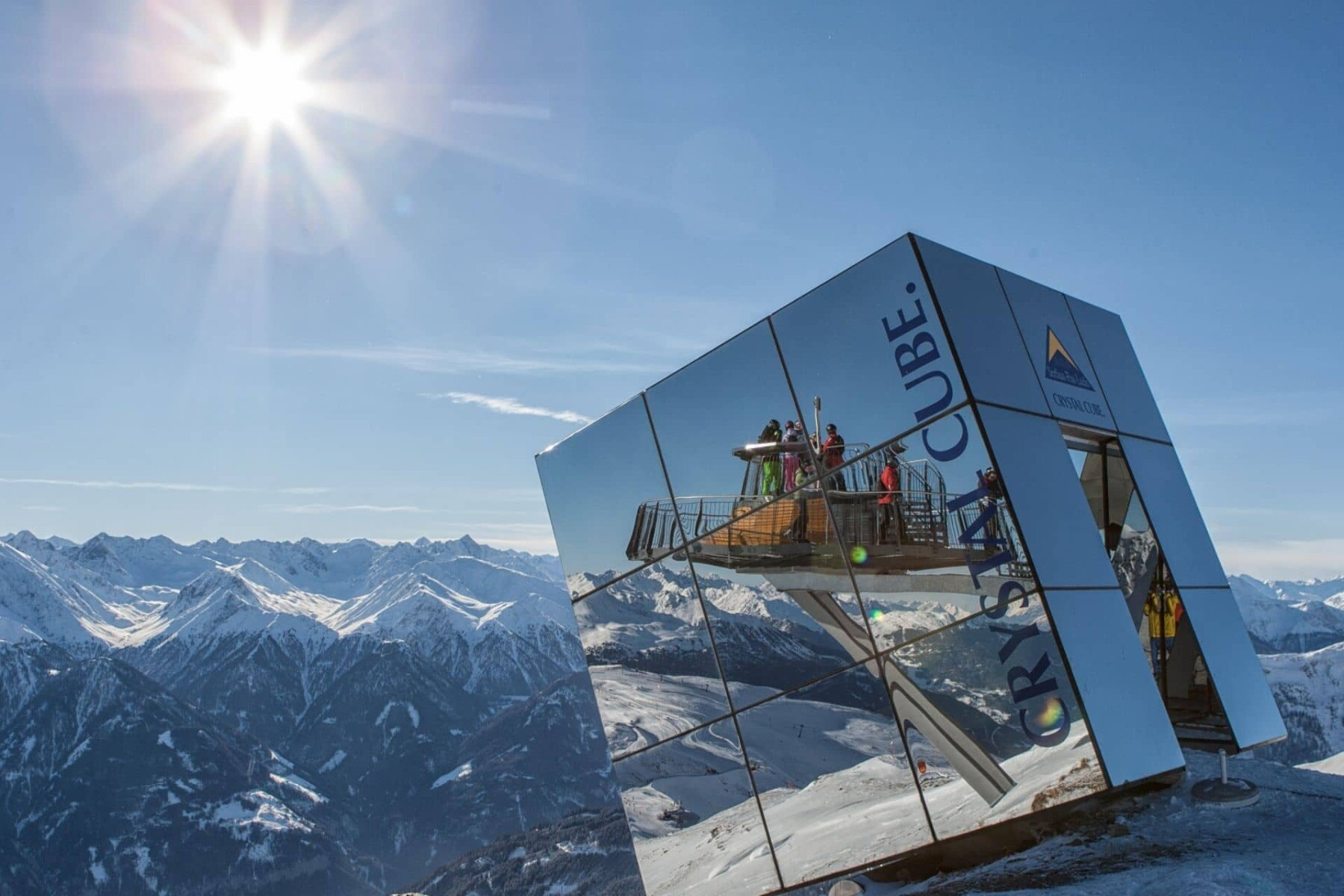
Pitztaler Glacier Overview
Pitztaler Glacier
- Projected Opening
- Sept 26
- Projected Closing
- May 02
- Lifts
- 8
- Trails
- 20
- Skiable Terrain
- 120 ha
- Base
- 1,740m
- Summit
- 3,440m
- Vertical Drop
- 1,700m
- Average Snowfall
- 453cm
- Nov98cm
- Dec72cm
- Jan101cm
- Feb78cm
- Mar68cm
- Apr69cm
Related News


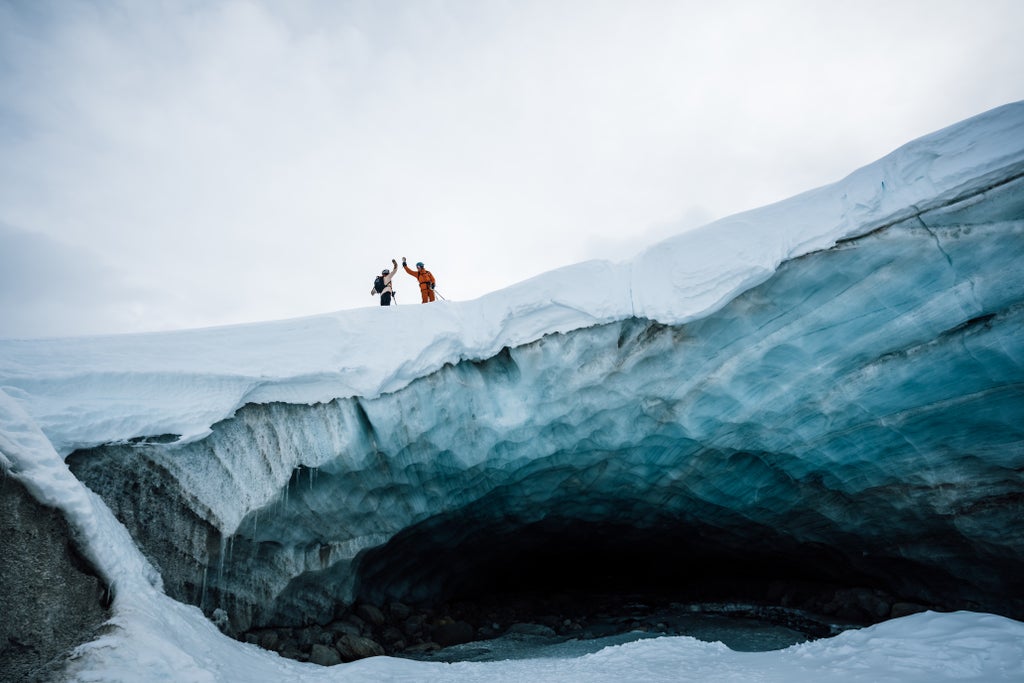
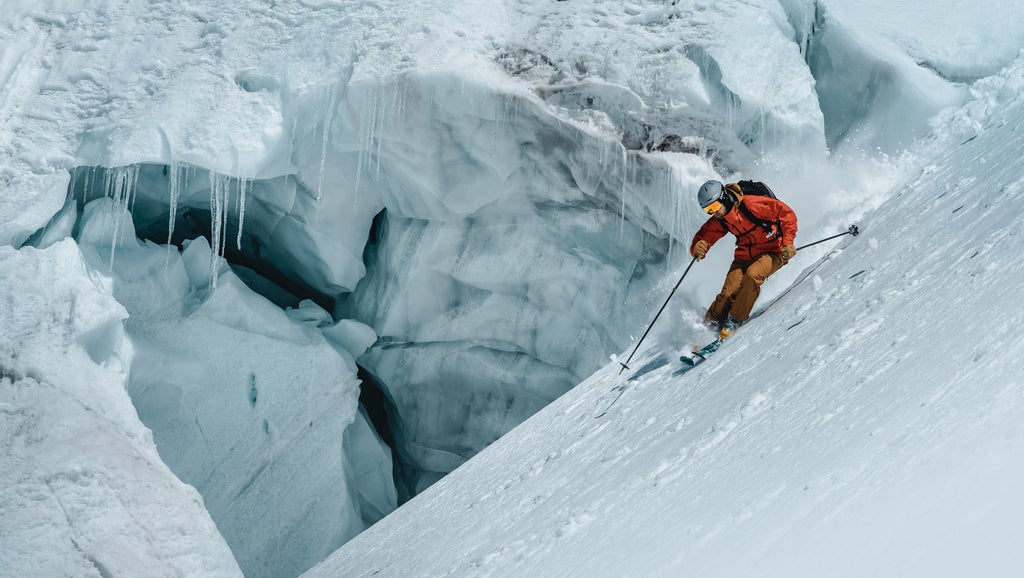
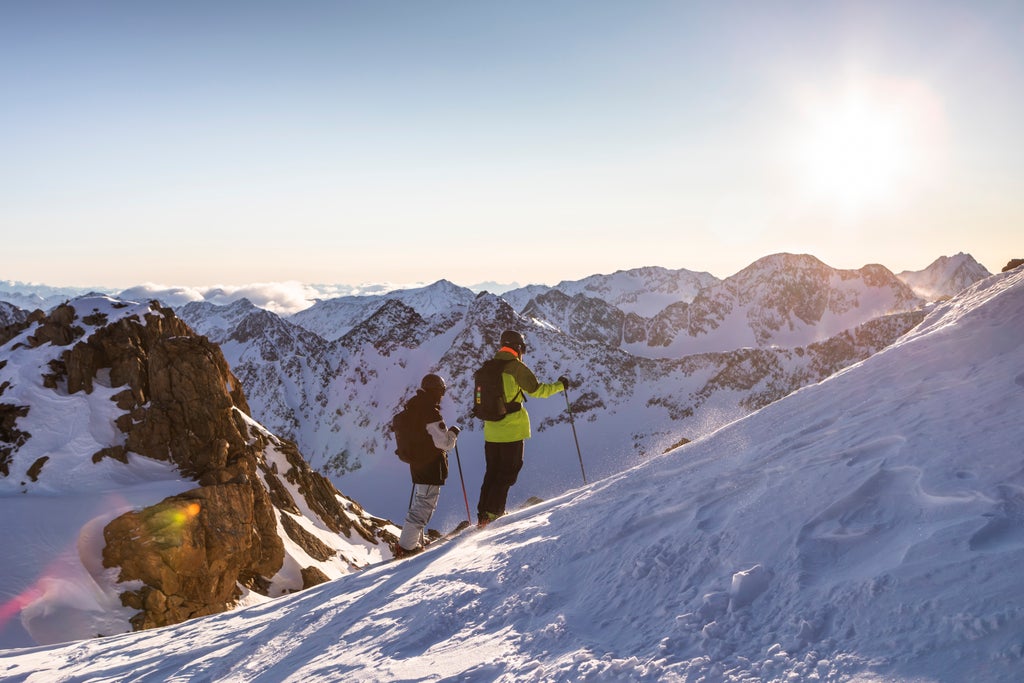
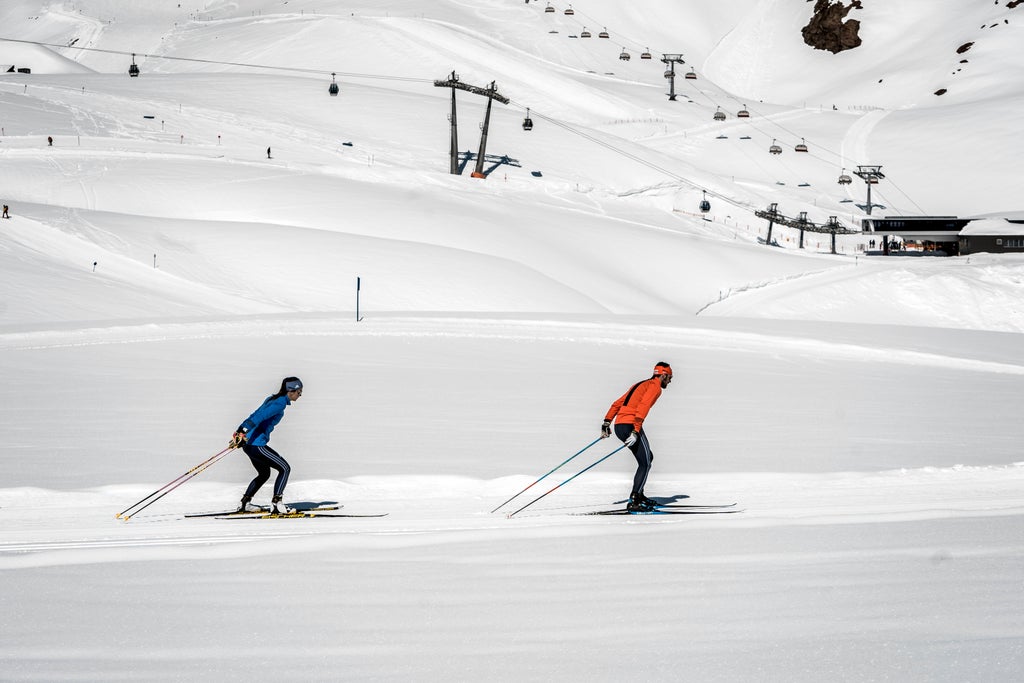
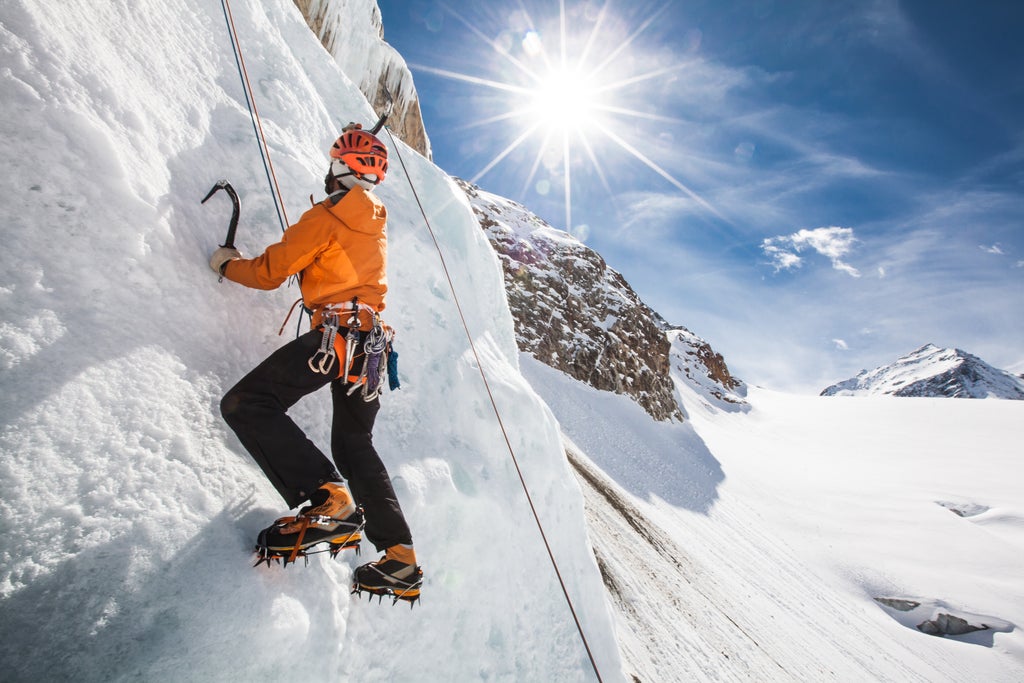
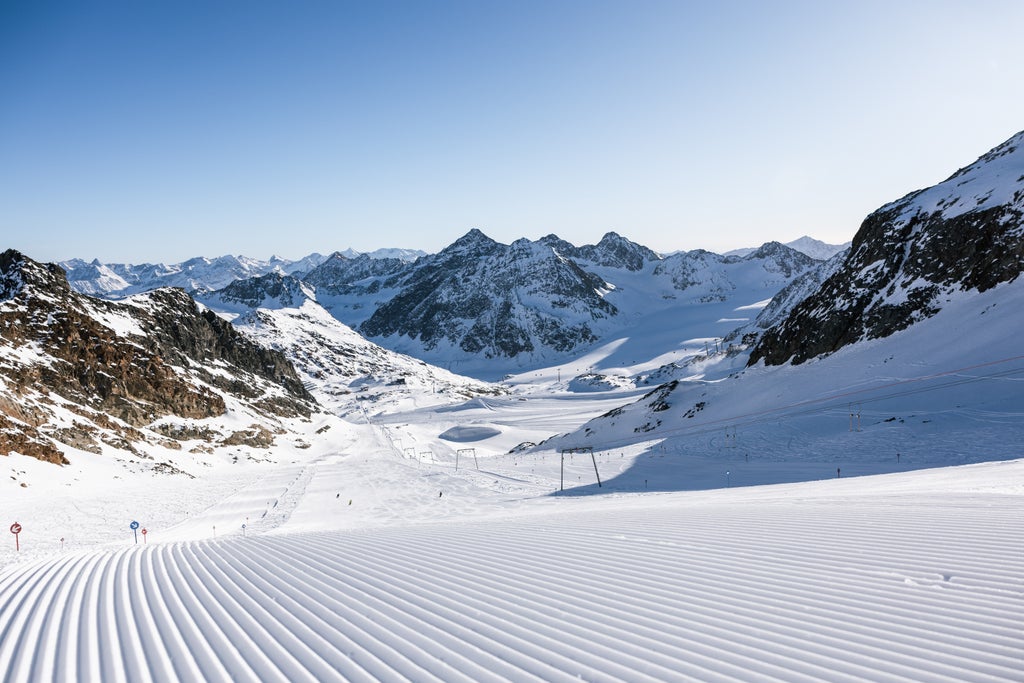
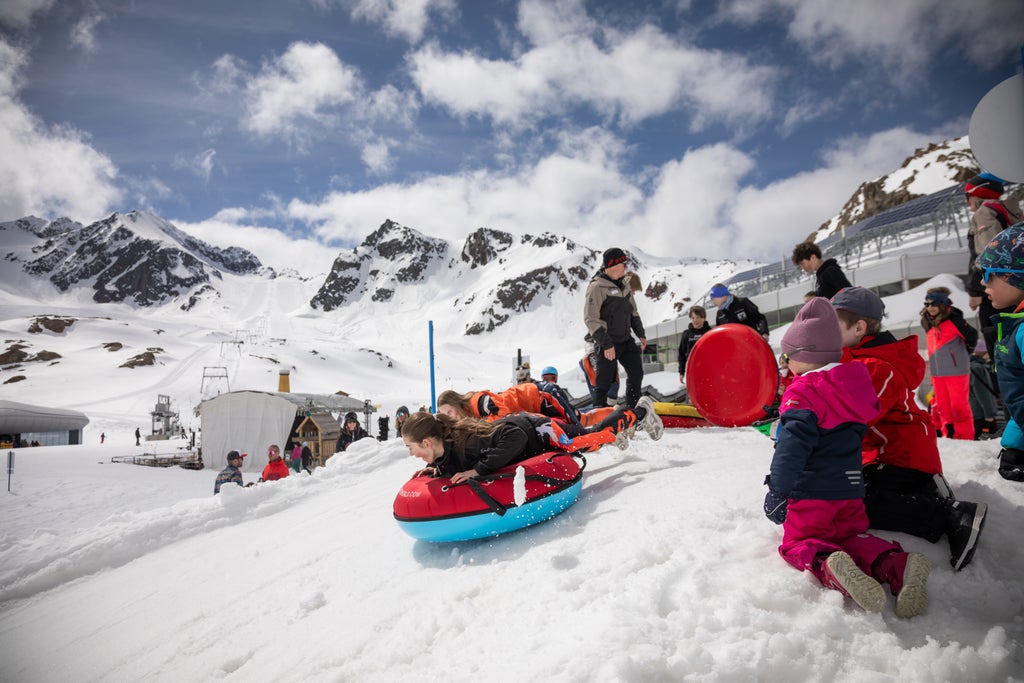
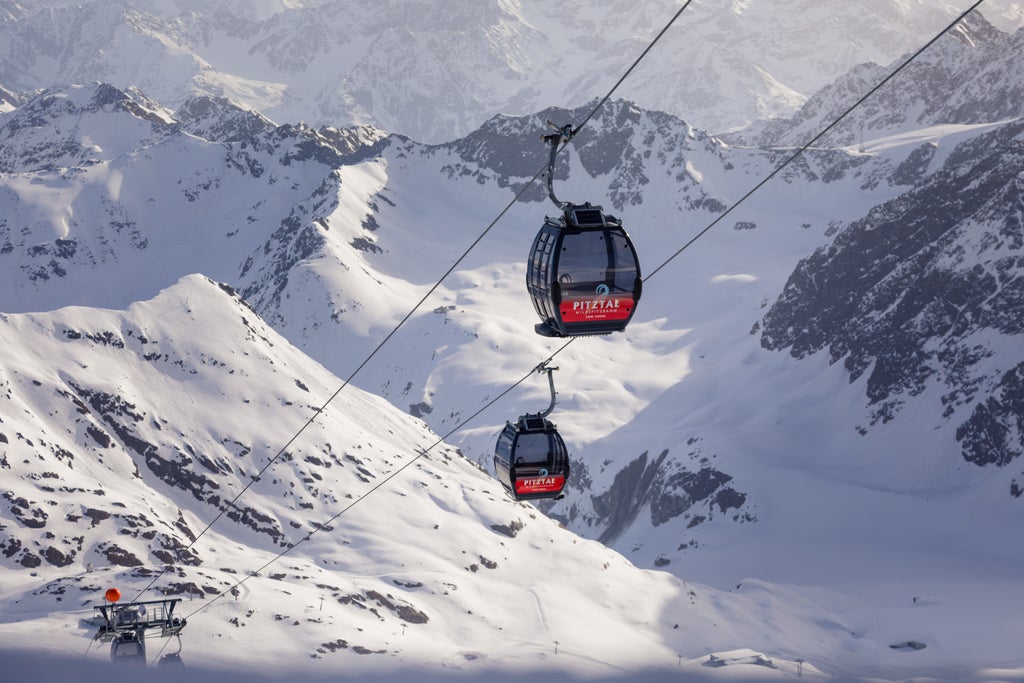
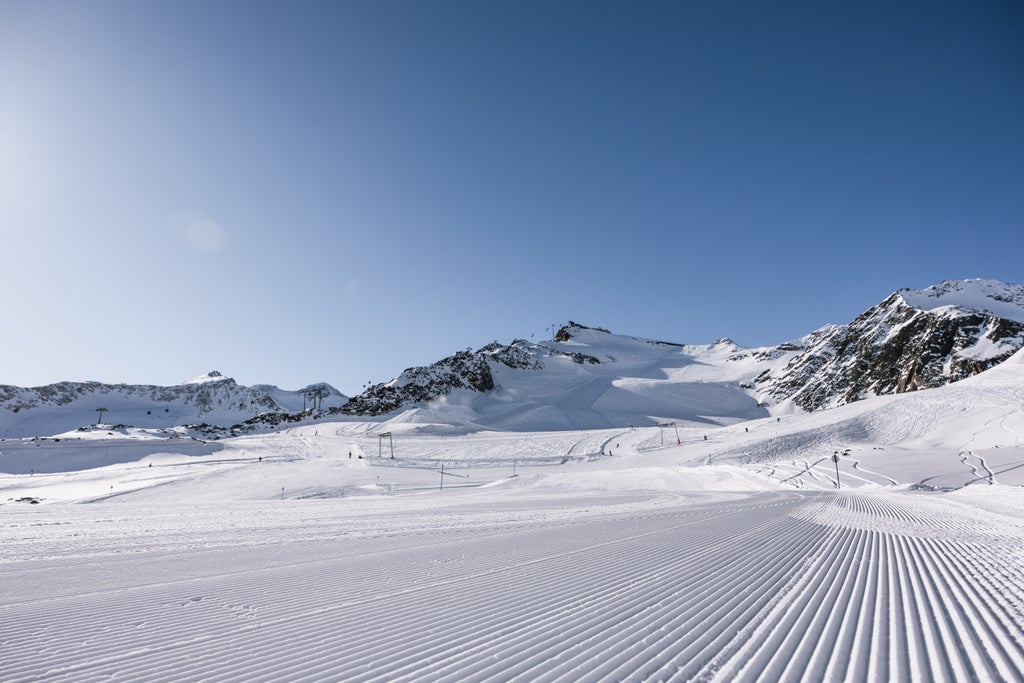
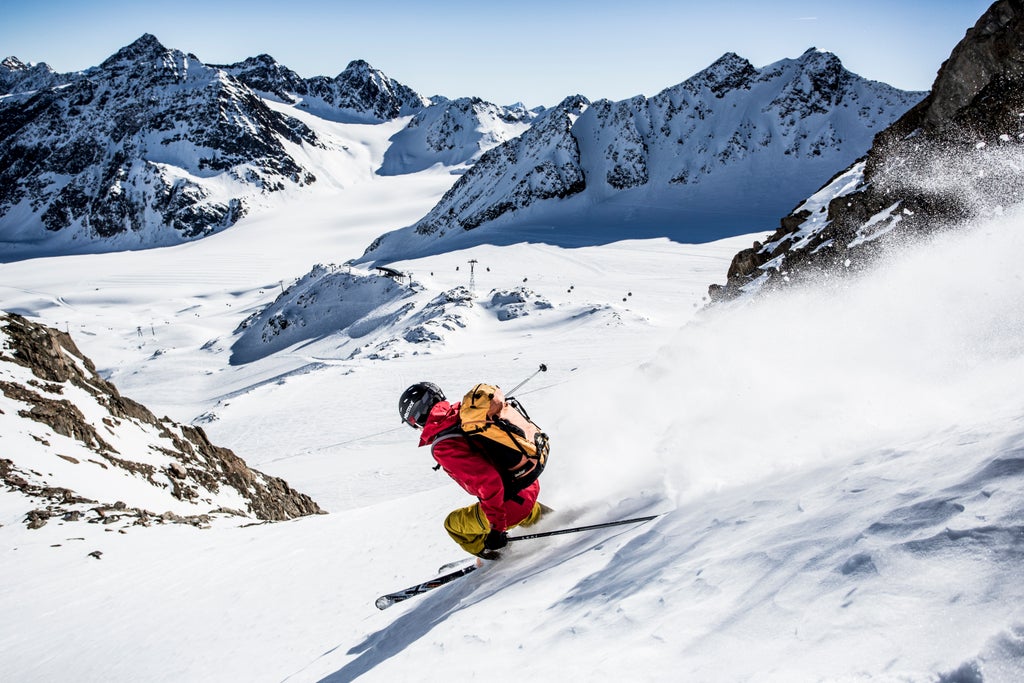
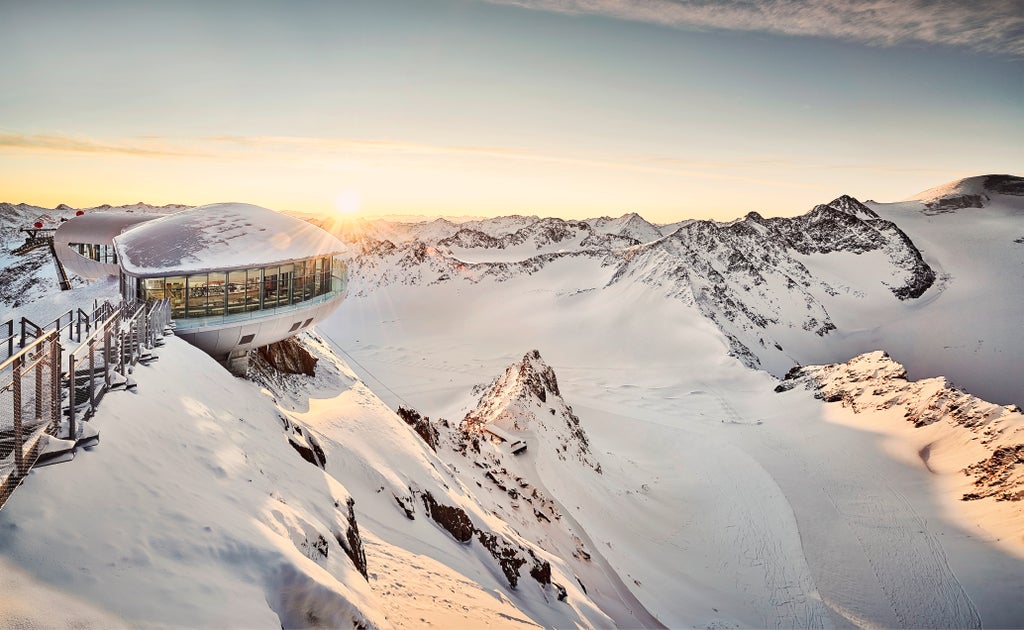
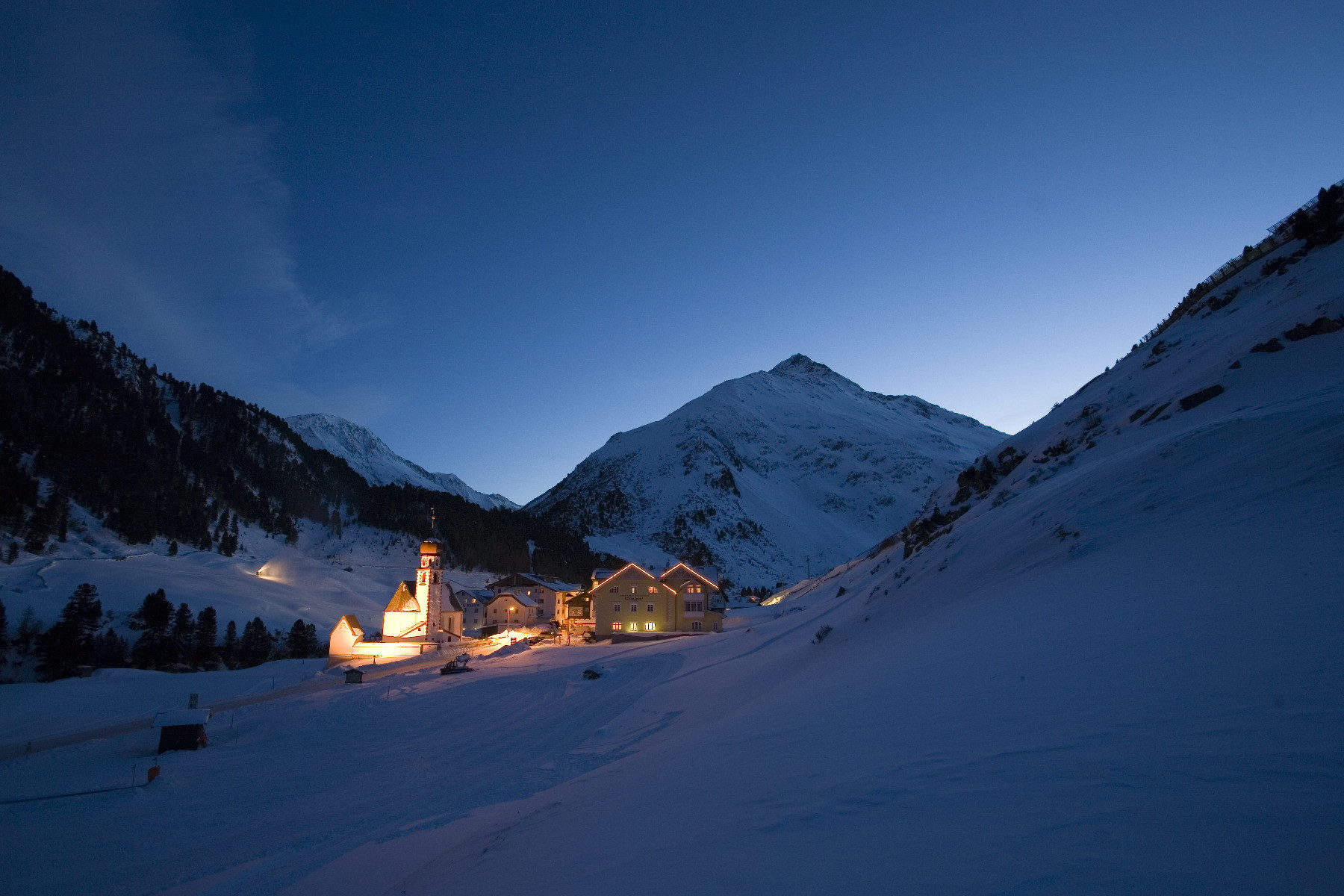
Pitztaler Gletscher is set high in Tyrol’s Pitztal valley, near St. Leonhard im Pitztal, and is one of Austria’s highest glacier ski areas. The resort reaches 3,440 m and usually offers a long season from autumn into spring. Average annual snowfall is around 450 cm, with snowmaking supporting selected parts of the ski area.
The ski resort area covers 120 ha, with around 67.5 km of pistes, 20 pistes and 8 lifts. The terrain is strongest for intermediate and advanced skiers, with around 22% intermediate pistes, 64% advanced pistes and 14% expert terrain. Key lifts include Gletscherexpress, Wildspitzbahn, Gletscherseebahn and Mittelbergbahn.
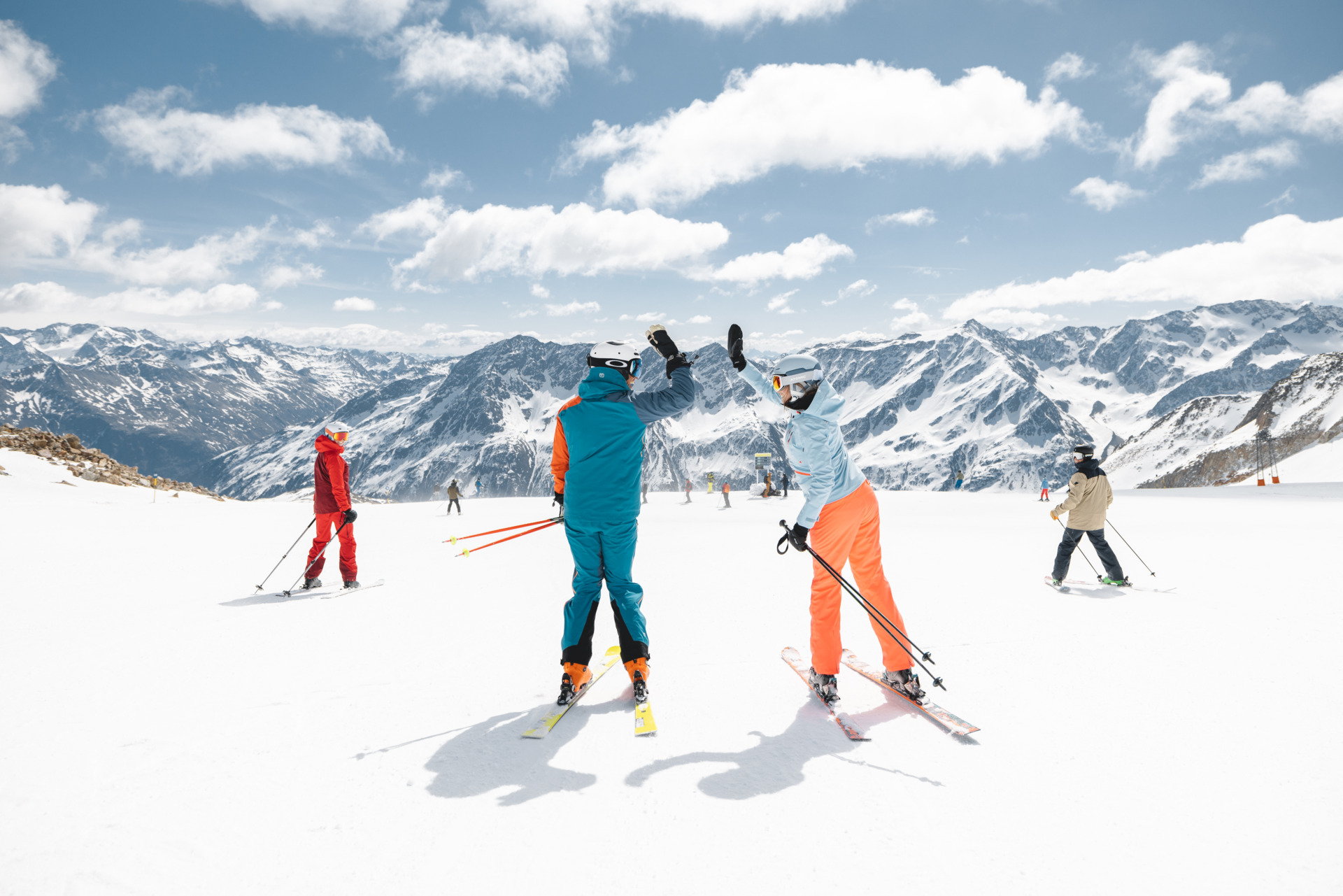
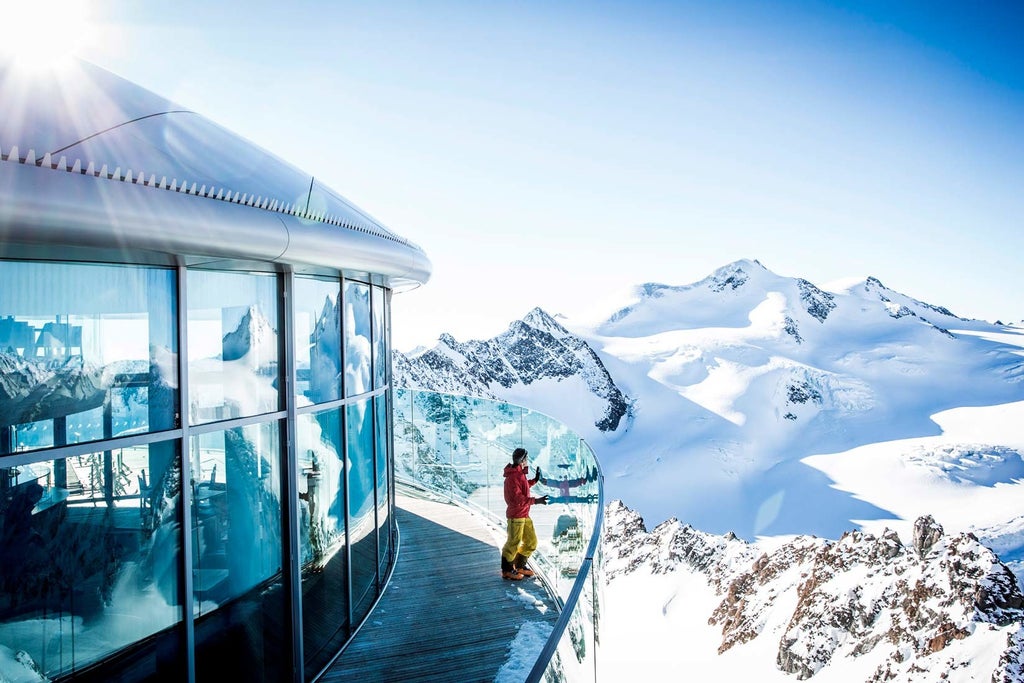
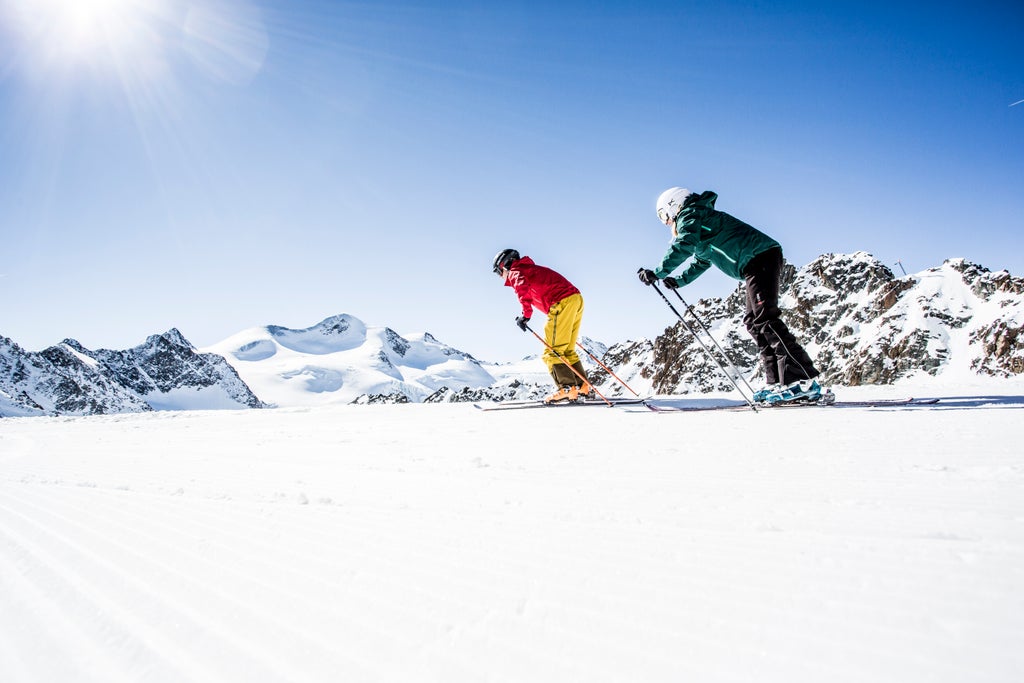
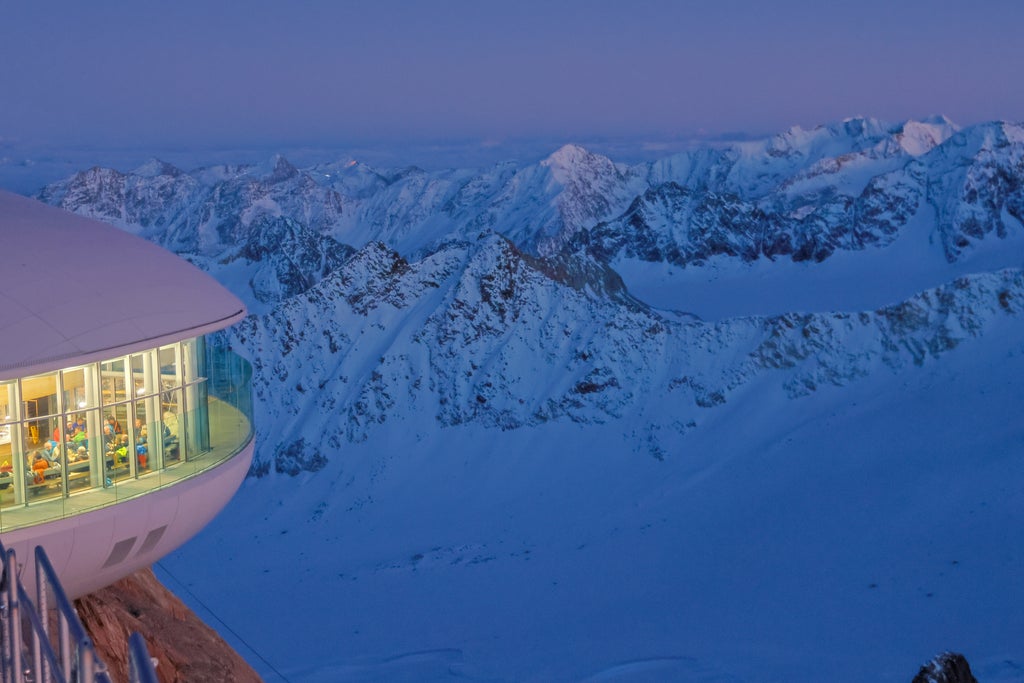
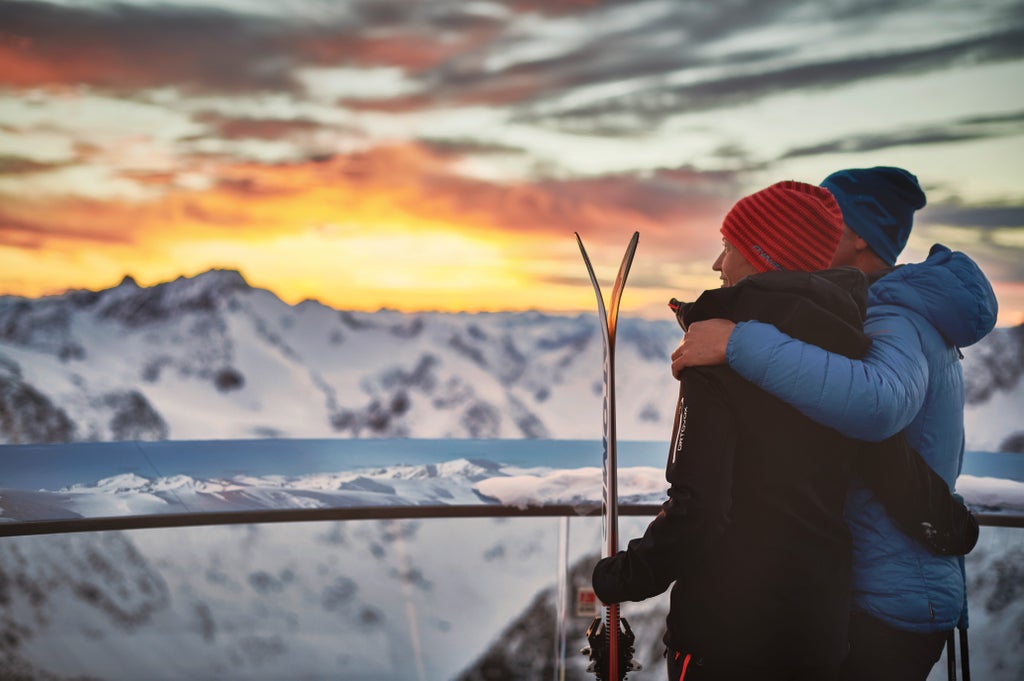
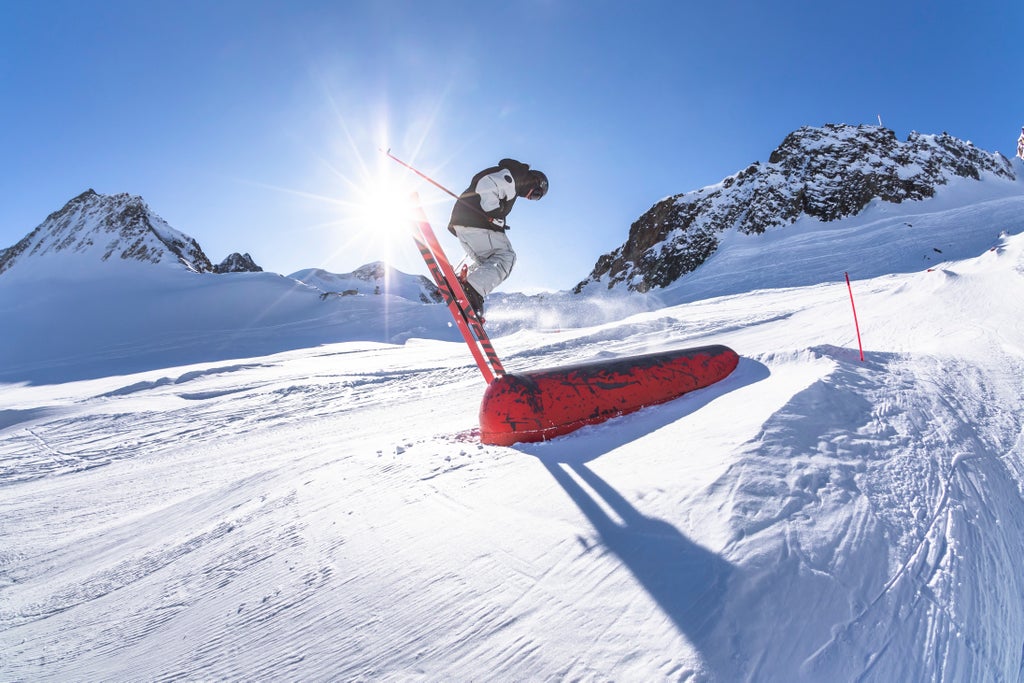
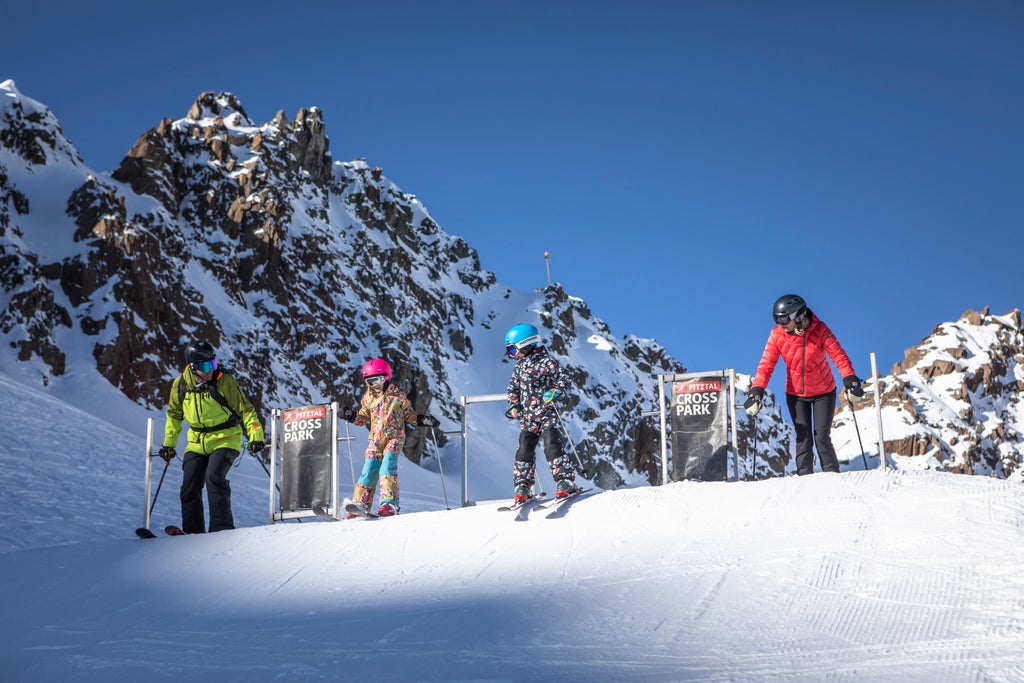
Families and recreational skiers will appreciate the broad glacier pistes, ski school, LARCHER Sport Rent Service, Family Cross, Funline and the mountain restaurants. Café 3440, Austria’s highest café, is a standout stop with views towards Wildspitze. Pitztaler Gletscher is best for visitors who want high-altitude snow reliability, serious Alpine scenery and a compact glacier ski area with a sporty feel.
Plan Your Trip
Transportation
The most convenient airports for Pitztaler Gletscher are Innsbruck, Munich and Salzburg. By train, the main access station is Imst-Pitztal, followed by a public bus into the Pitztal valley or a taxi transfer of around 25 minutes. Some accommodation providers may also arrange hotel shuttles by prior agreement.
By road, the usual approach is via the Inntal valley towards Imst, then through the Pitztal valley to the Gletscherexpress base station in Mittelberg. Parking at the lift is available and officially listed as free. In winter, the ski bus connects villages in the valley with the glacier access point. Driving is usually most convenient for families and groups with equipment, while train plus bus is a sensible lower-cost option for travellers who prefer not to hire a car.
Important Dates
- Projected opening dateSept 26, 2026
- Projected closing dateMay 02, 2027
- Projected Days Open232
- Days Open Last Year235
- Years Open43
- Average Snowfall453cm
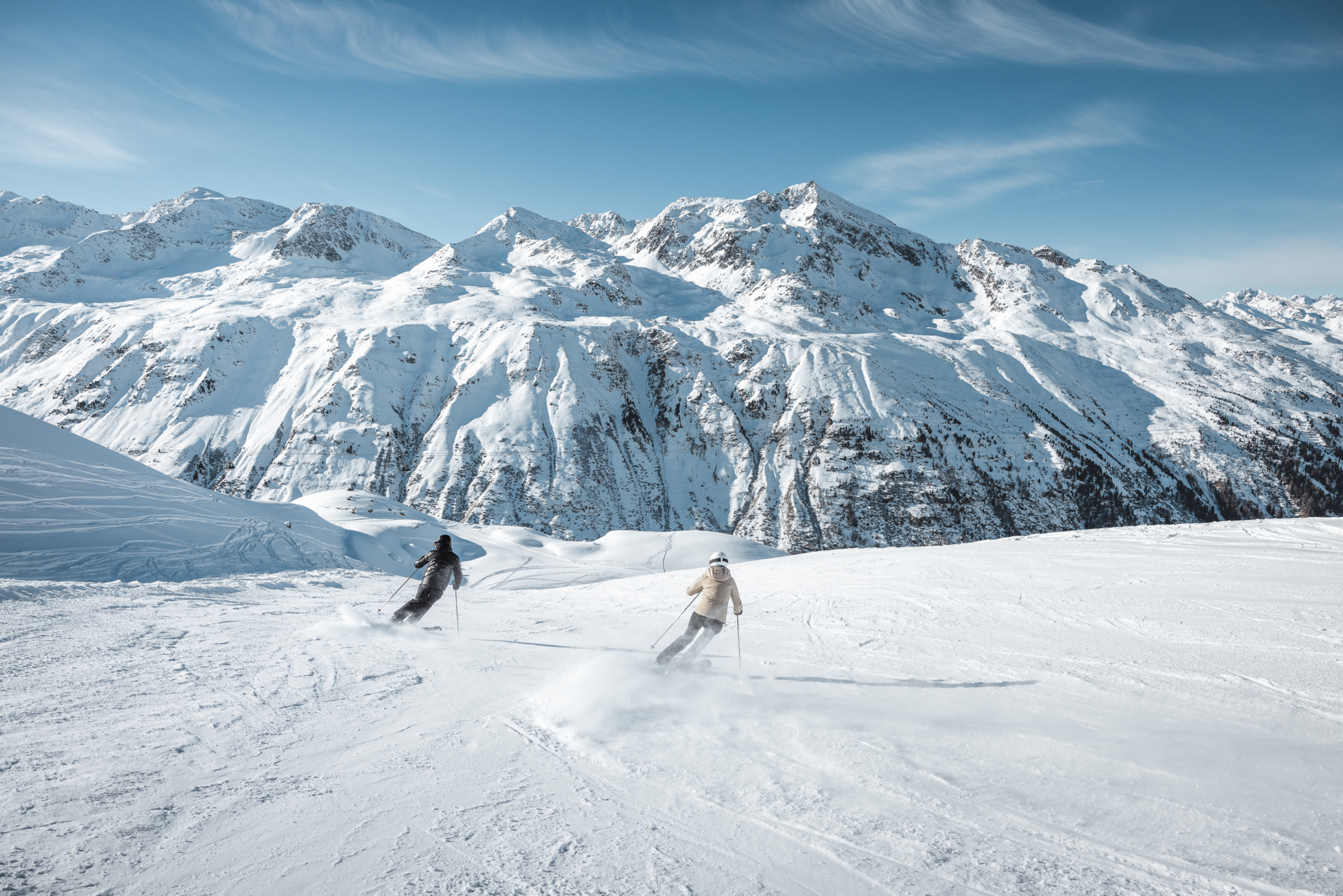
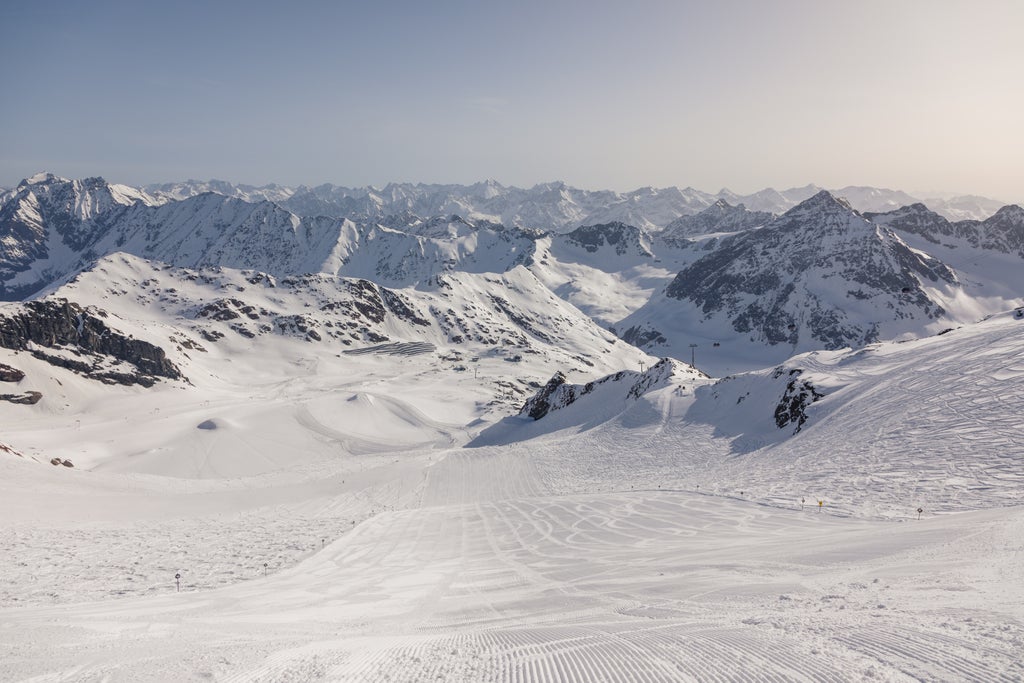
The terrain at Pitztaler Gletscher is high, open and unmistakably glacial. Skiing reaches 3,440 m, with a vertical drop of around 1,700 m and broad pistes that feel spacious in good visibility. The main gateway is Gletscherexpress, which carries visitors from the valley into the glacier ski area.
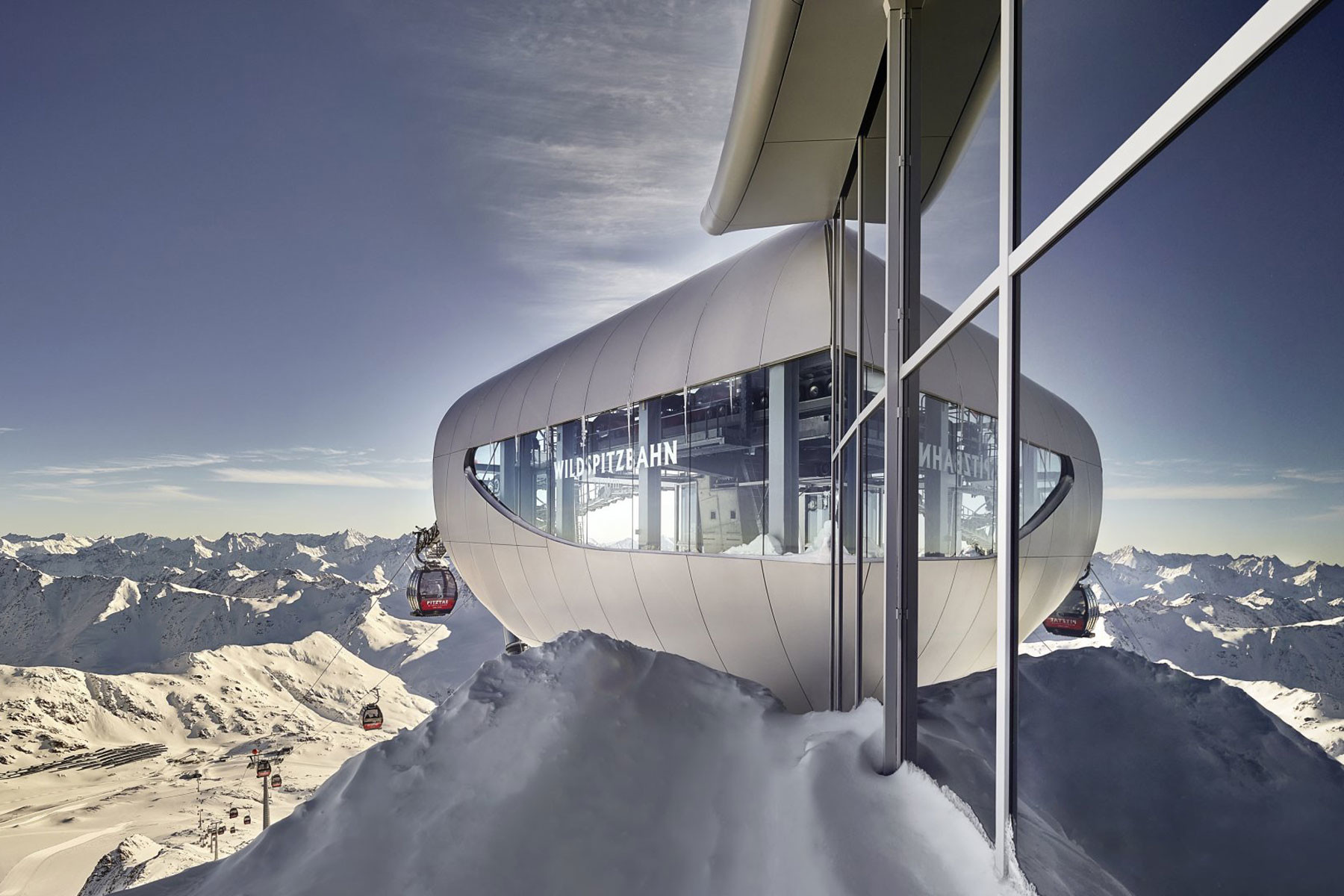
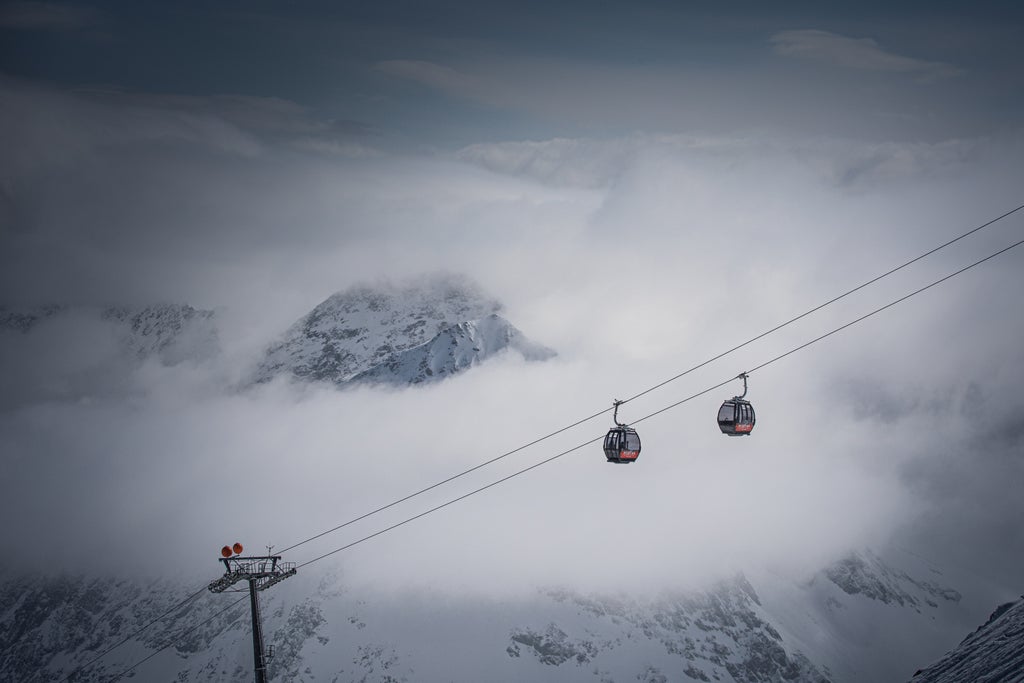
Wildspitzbahn is the signature lift, taking skiers and pedestrians towards Café 3440 and the high viewpoint over the glacier world. Gletscherseebahn, Mittelbergbahn, Schlepplift Brunnenkogel and Mittagskogel form the core of the ski layout, giving the resort a compact but varied structure.
Beginners and families should focus first on the easier official pistes, including 20 Mittagskogel, 22 Brunnenkogel, 25 Gletschersee, Family Cross and Funline. Pitztaler Gletscher is not a low-altitude nursery-slope resort, but its open glacier pistes can work well for cautious skiers in good weather.
Intermediate skiers get the most from pistes such as 23 Brunnenkogel Longline, 24 Pitz-Live, 28 Panorama, 29 Downhill, 33 Schweizer Weg, 34 Hoher Rain, 35 Ibex Run and 36 Mittelberg. These runs are well suited to longer turns, technique work and repeated laps on reliable high-altitude snow.
Advanced skiers should look to 26 Wildspitz, the official difficult piste on the glacier side. The steeper red pistes around Gletscherseebahn and Mittelbergbahn also give the area a sportier feel. Freeriding is officially part of the wider offer, but off-piste terrain is not marked, prepared, controlled or secured.
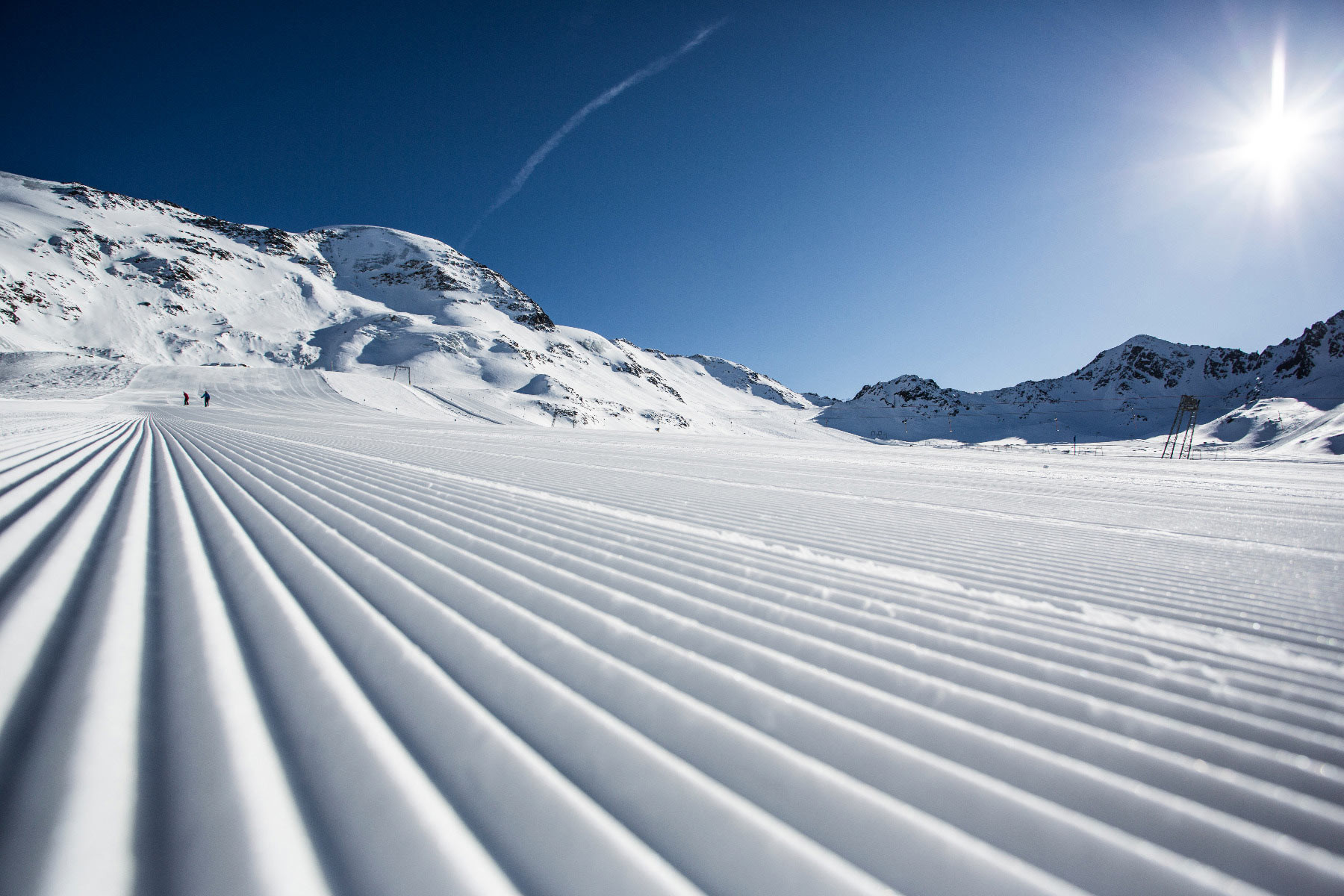
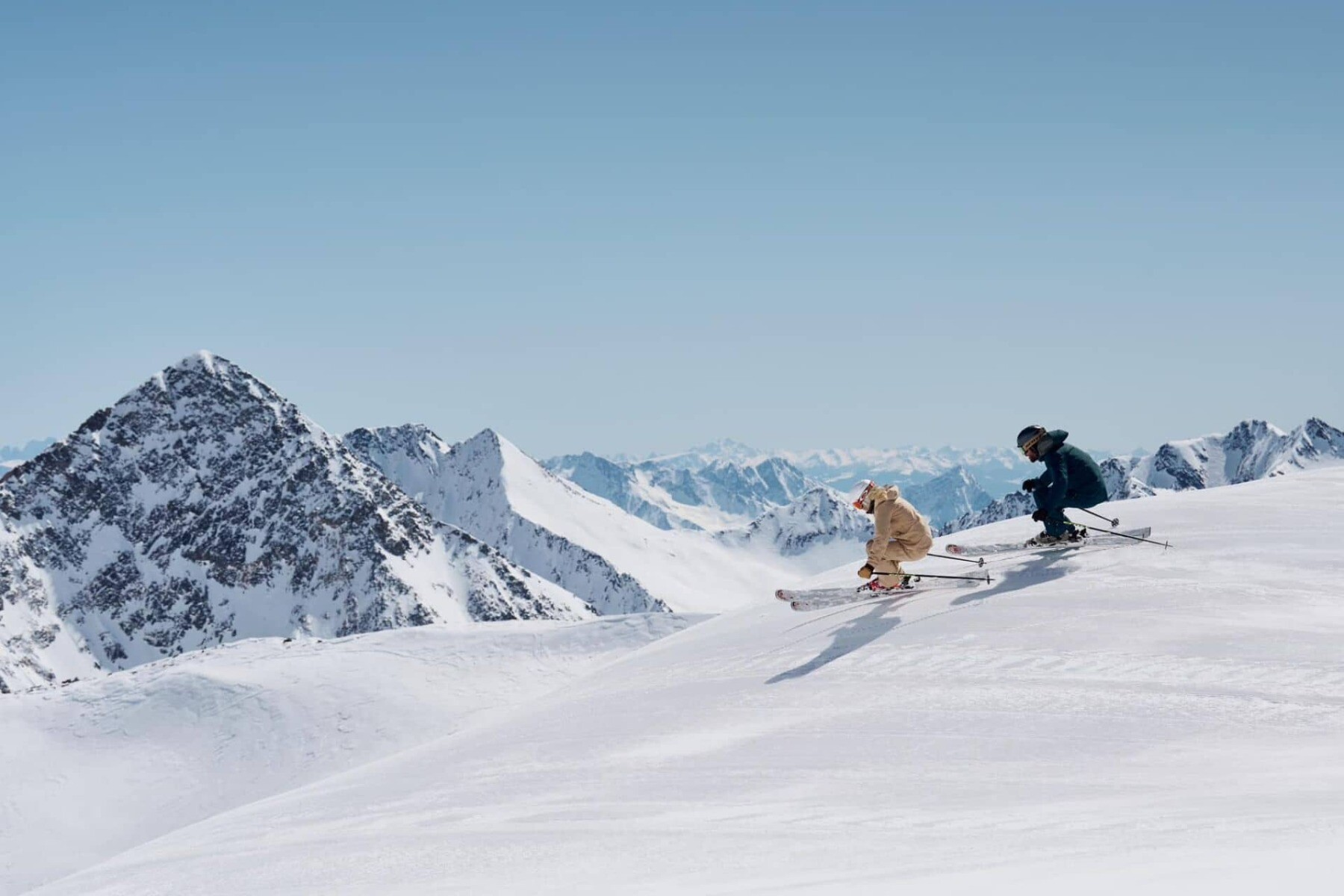
For variety, add Family Cross, Funline or 21 WISBI Strecke to the day. The natural setting is the real highlight: wide white glacier slopes, crisp mountain light and views towards Wildspitze give Pitztaler Gletscher a distinctly high-Alpine character.
Terrain
Lifts
8Inside Scoop
Start early with Gletscherexpress if you want the best prepared snow. The first runs of the day are usually the most rewarding, especially on clear mornings when the glacier surface is firm and fast.
Do not treat Wildspitzbahn as just another lift. Ride it for the view and make time for Café 3440, where coffee, cake and the view towards Wildspitze make it one of the most memorable stops in the resort.
If you are skiing with less confident friends or family, begin on 20 Mittagskogel, 22 Brunnenkogel or 25 Gletschersee. These are official easy pistes and make sense for settling into the day.
For a more playful lap, add Family Cross and Funline. They are useful when you want something more varied than a standard piste without stepping into difficult terrain.
For stronger skiers, 23 Brunnenkogel Longline, 28 Panorama, 29 Downhill and 36 Mittelberg are the best pistes for building rhythm. They suit carving practice and a more athletic pace.
If you want a timed challenge, try 21 WISBI Strecke. It gives the day a competitive edge and is a good option for skiers who like to test themselves.
Advanced skiers should put 26 Wildspitz on the list. As an official difficult piste, it is best saved for good visibility and firm snow.
After fresh snow, stay within open and secured areas unless you are properly equipped and experienced for freeride terrain. Pitztaler Gletscher has open high-Alpine terrain, but anything outside the marked pistes is not prepared or secured.
Plan your main scenic stop for Café 3440 rather than leaving it until the final lift ride. Weather can change quickly at altitude, and the best views often come earlier in the day.
Keep an eye on lift closing times, especially for the final descent via Gletscherexpress. The resort is high and operational timings matter more here than in a village-level ski area.
Reviews
All Reviews »A top-notch ski resort, the view from the summit is incredible, offering a spectacular projection of the glacier and a 360-degree panorama of the Alps. The snow quality is truly amazing, no snow cannons needed! Perfect for beginners as well as experts. The ski area is divided into two parts and very…