Chamonix Overview
Chamonix
- Projected Opening
- Nov 28
- Projected Closing
- May 02
- Lifts
- 82
- Trails
- 121
- Skiable Terrain
- 308 ha
- Base
- 1,042m
- Summit
- 3,275m
- Vertical Drop
- 2,233m
- Average Snowfall
- 517cm
- Nov50cm
- Dec65cm
- Jan138cm
- Feb130cm
- Mar98cm
- Apr70cm
Related News


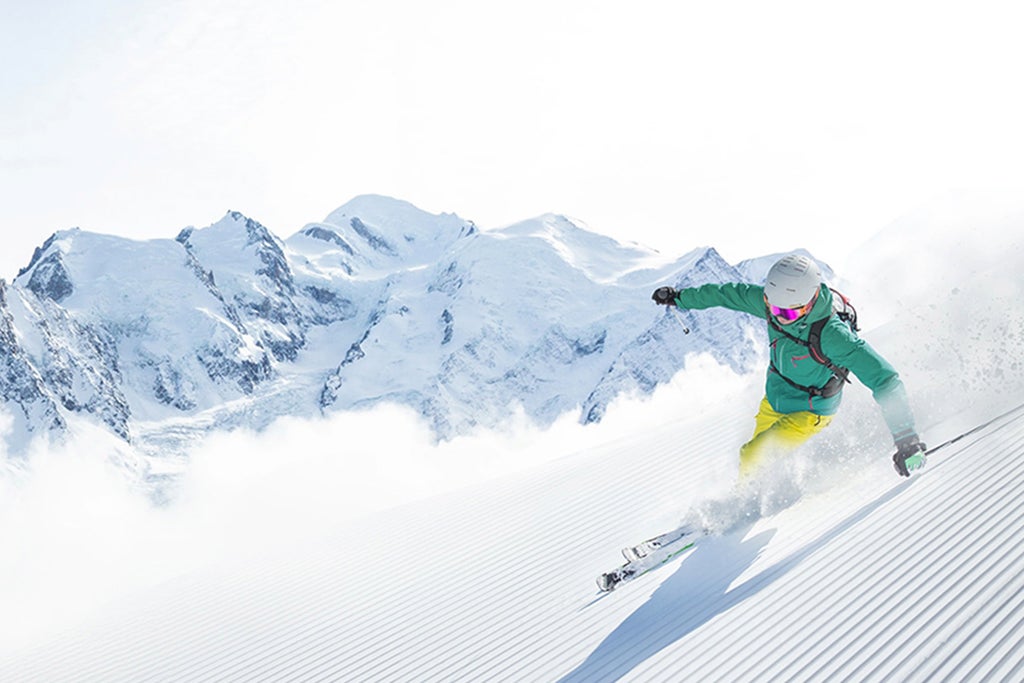
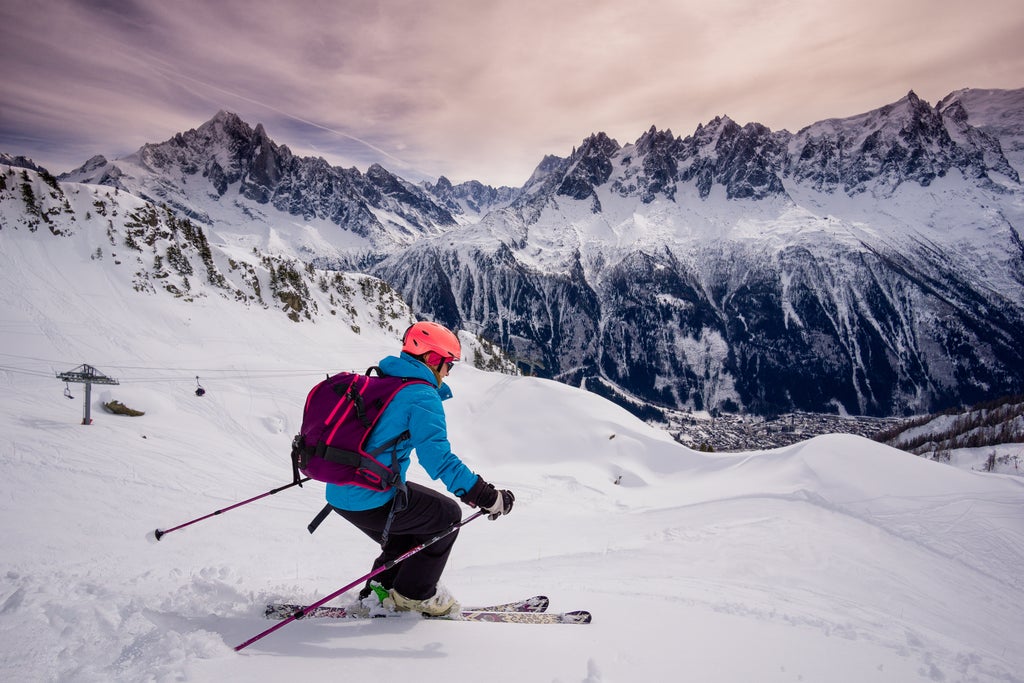
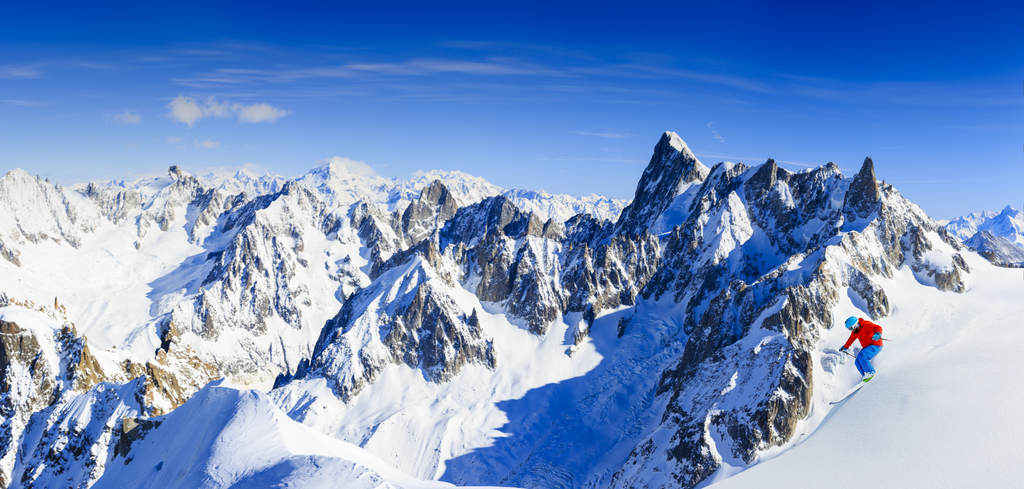
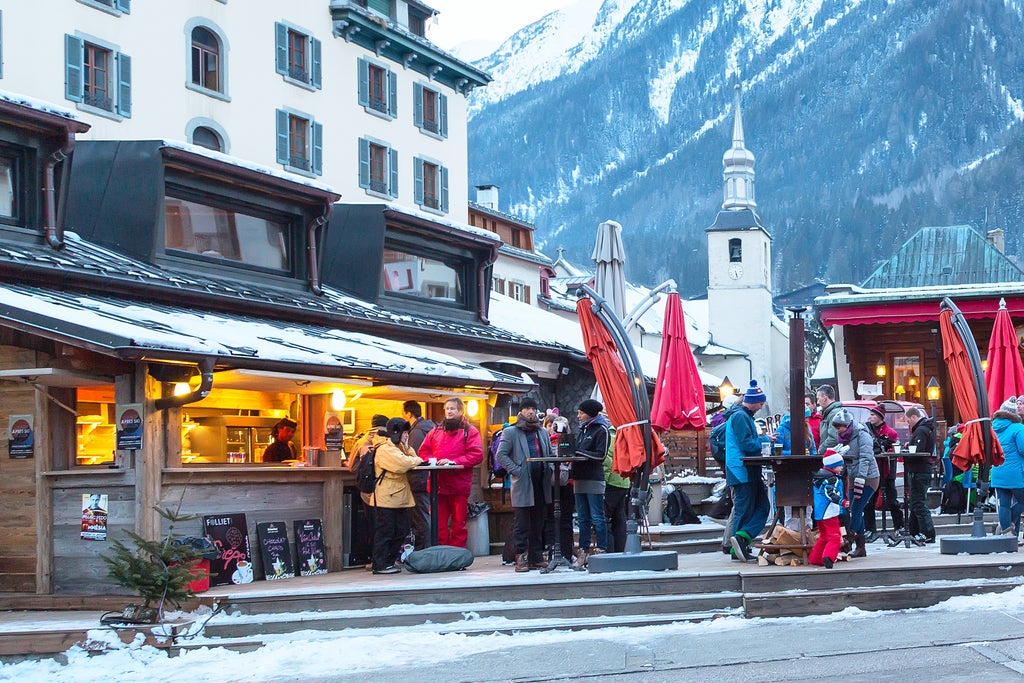
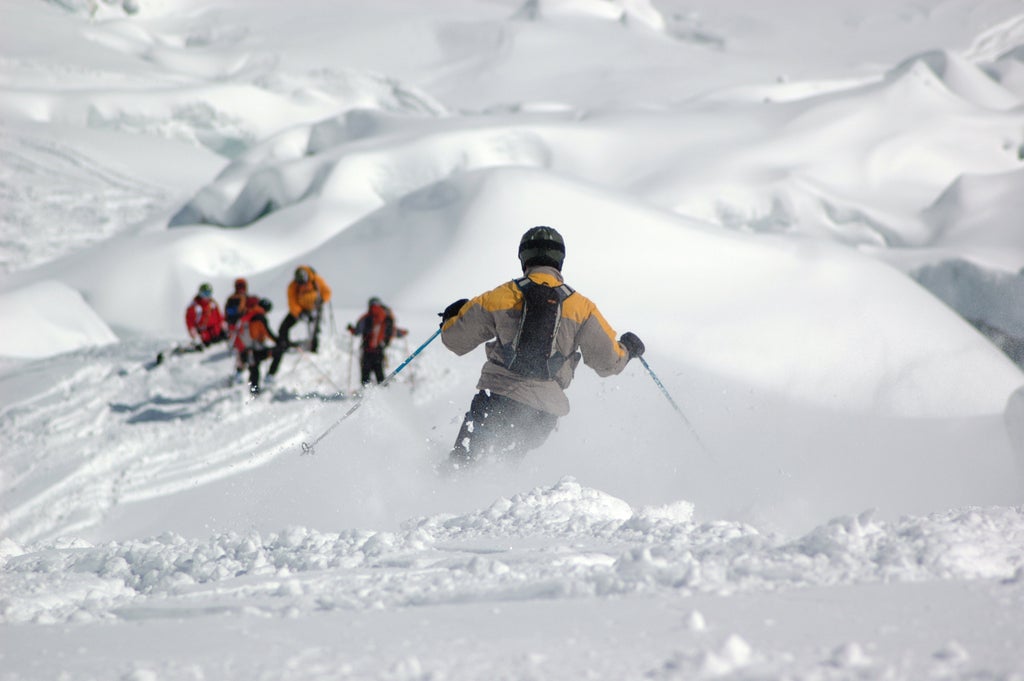
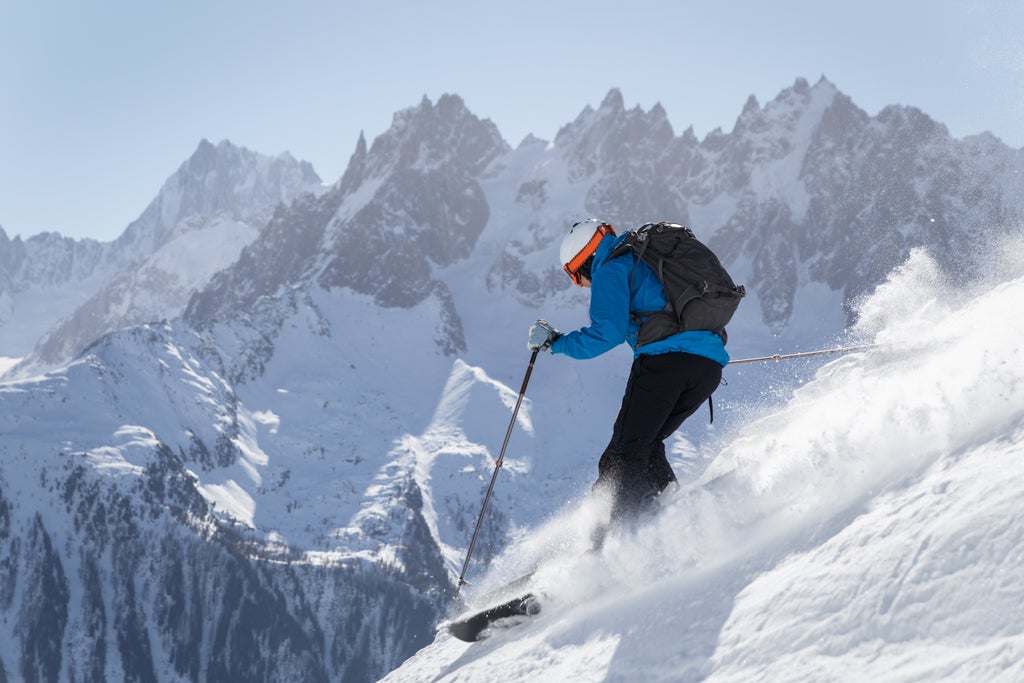
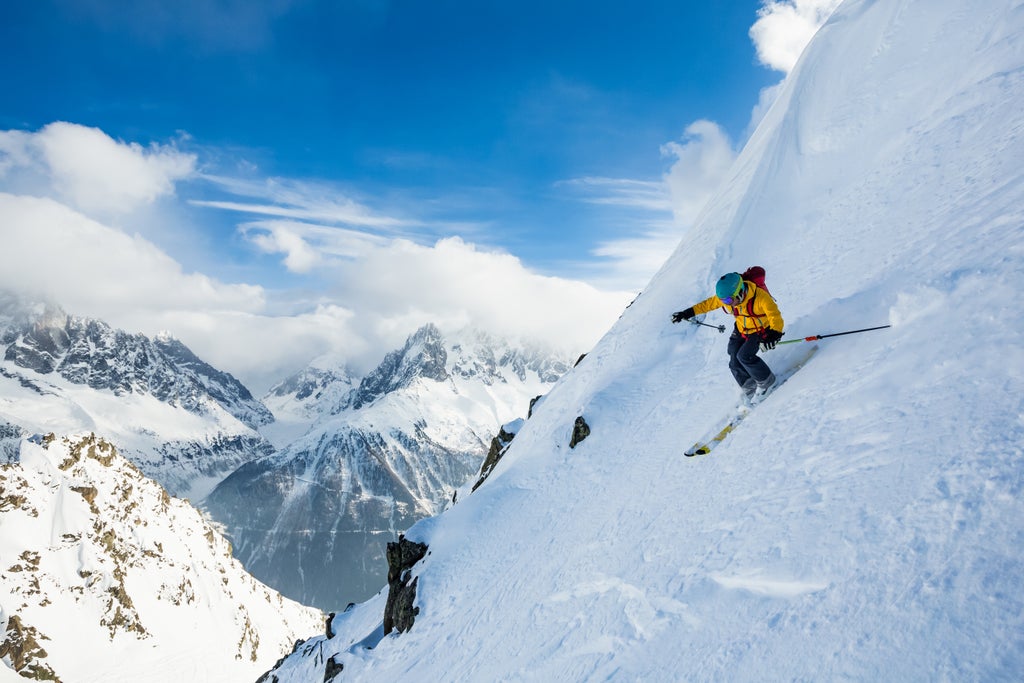
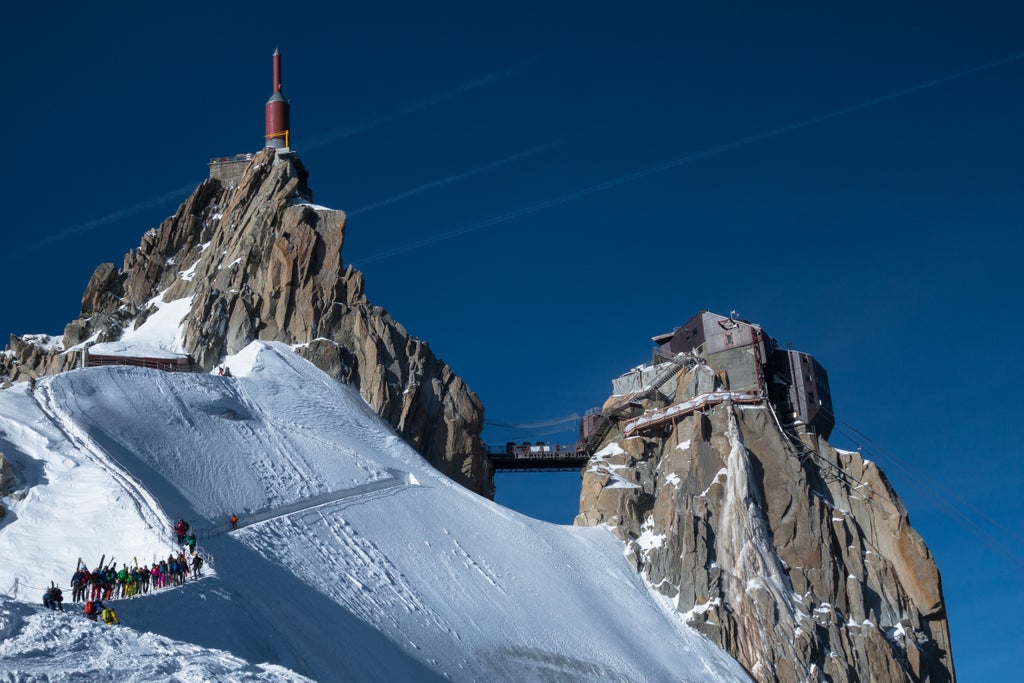
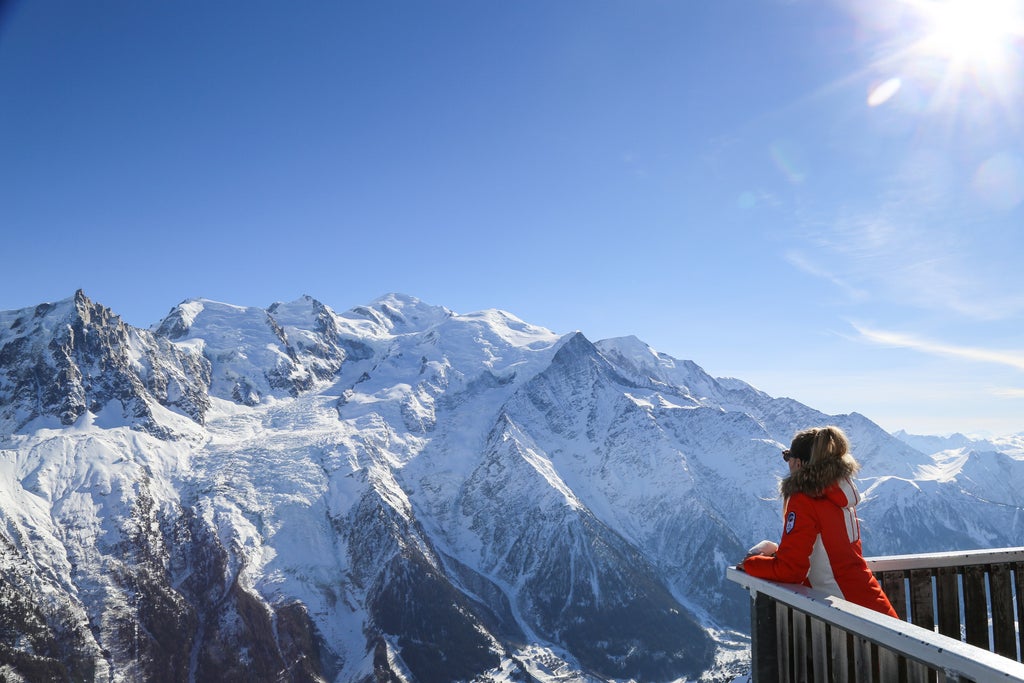
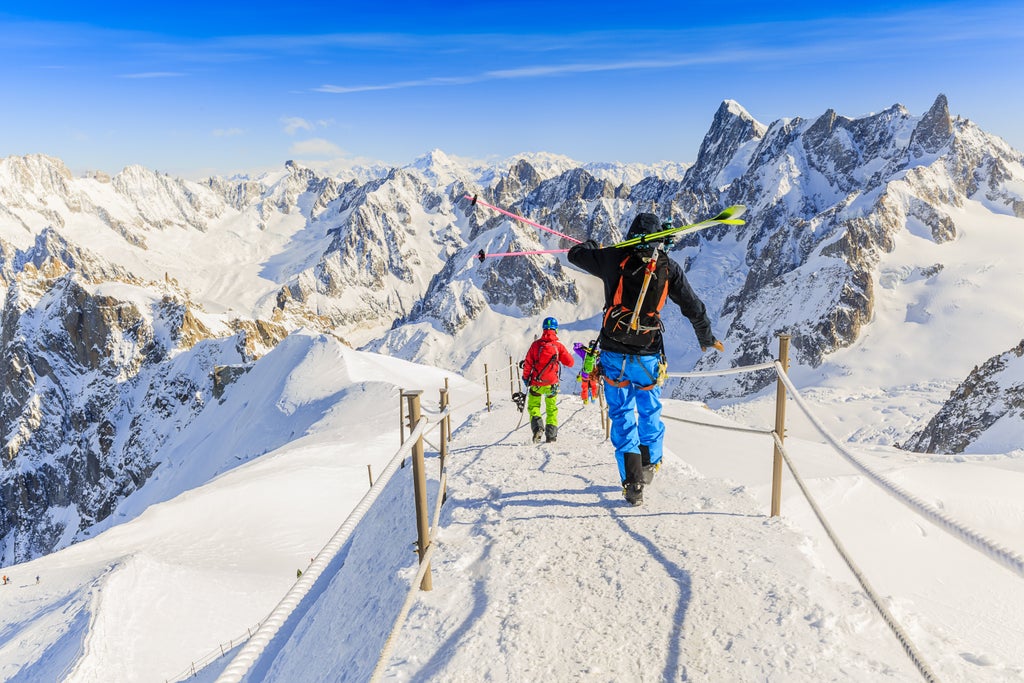
Chamonix is a destination for alpine thrill-seekers eager to test their limits on some of the most challenging and scenic terrain in the world. Known internationally for its steep runs, off-piste powder, and dramatic mountain landscapes, the resort is a beacon for expert skiers and snowboarders. The legendary 20-kilometre Vallée Blanche, a renowned high-altitude off-piste route, offers a thrilling descent for advanced skiers, with a vertical drop of 2,233 meters. Host to the first-ever Winter Olympics in 1924, Chamonix holds an esteemed place in skiing history as the birthplace of alpine skiing. The town itself is a vibrant mix of traditional alpine charm and lively nightlife, making it as appealing off the slopes as it is on them.
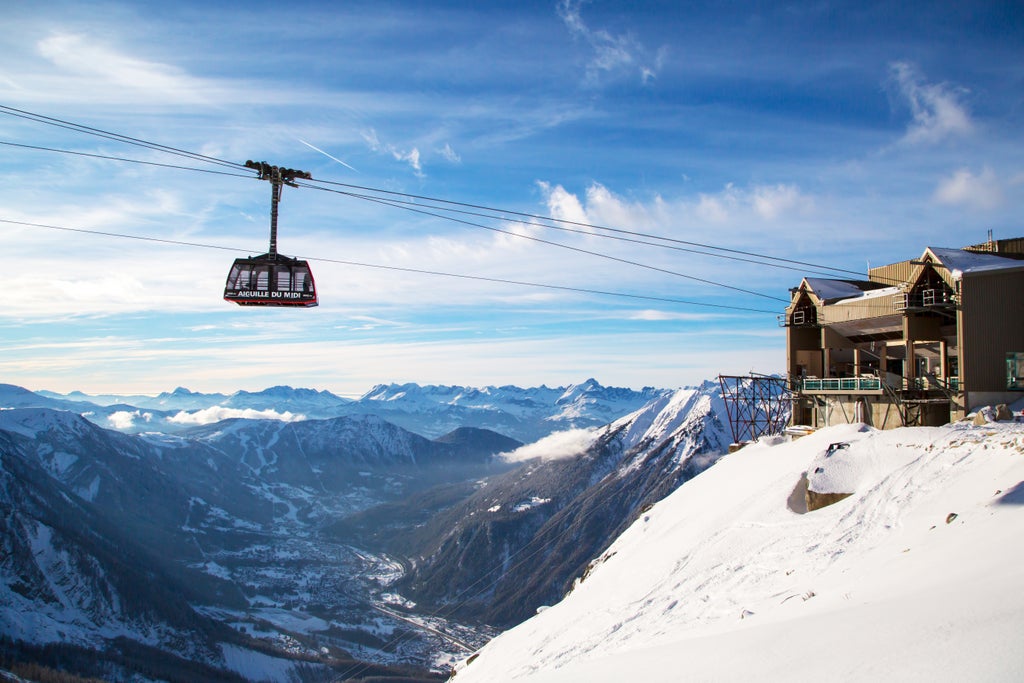
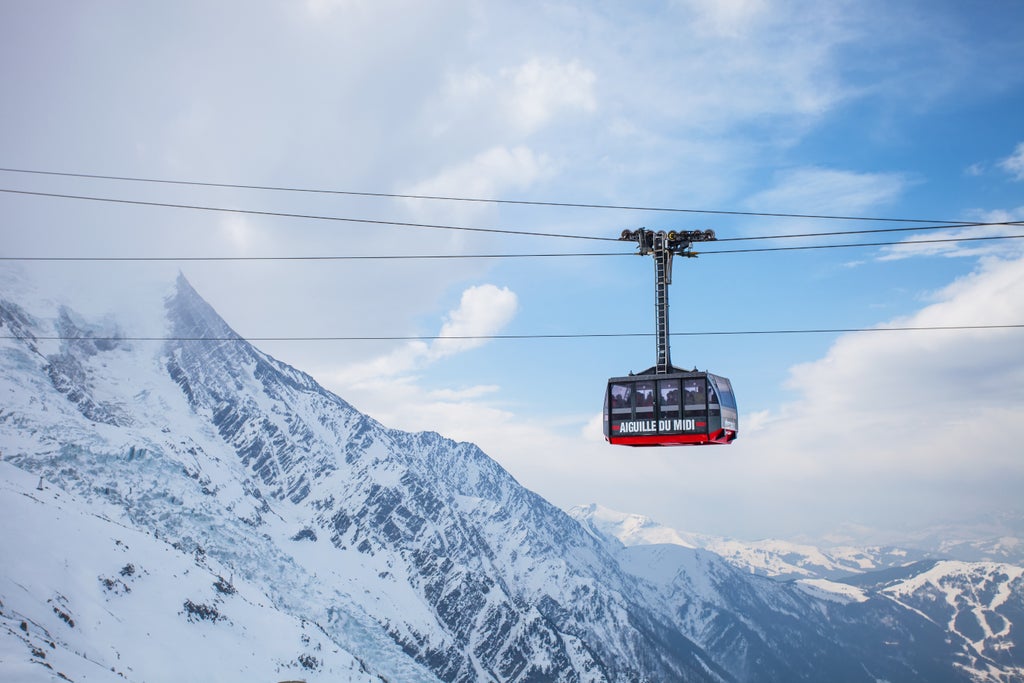
Chamonix’s ski area spans elevations from 1,042 to 3,275 meters and features 82 lifts, including gondolas, trams, high-speed lifts, and surface lifts, providing access to a total skiable terrain of 169 kilometers. It is divided into five main zones: Grands Montets, Aiguille du Midi, Le Brévent, La Flégère (which are lift-linked), and Le Tour. This diverse layout offers plenty of terrain but requires travel between the zones to explore them all. Recent lift upgrades have improved the experience by reducing queuing times. Vallée Blanche, accessible via the Aiguille du Midi cable car at 3,812 meters, is among the most iconic off-piste runs in Europe, though other routes like the Haute Route surpass it in length. The unmarked and unmaintained nature of Vallée Blanche, along with its crevasses and avalanche risks, makes hiring a guide essential.
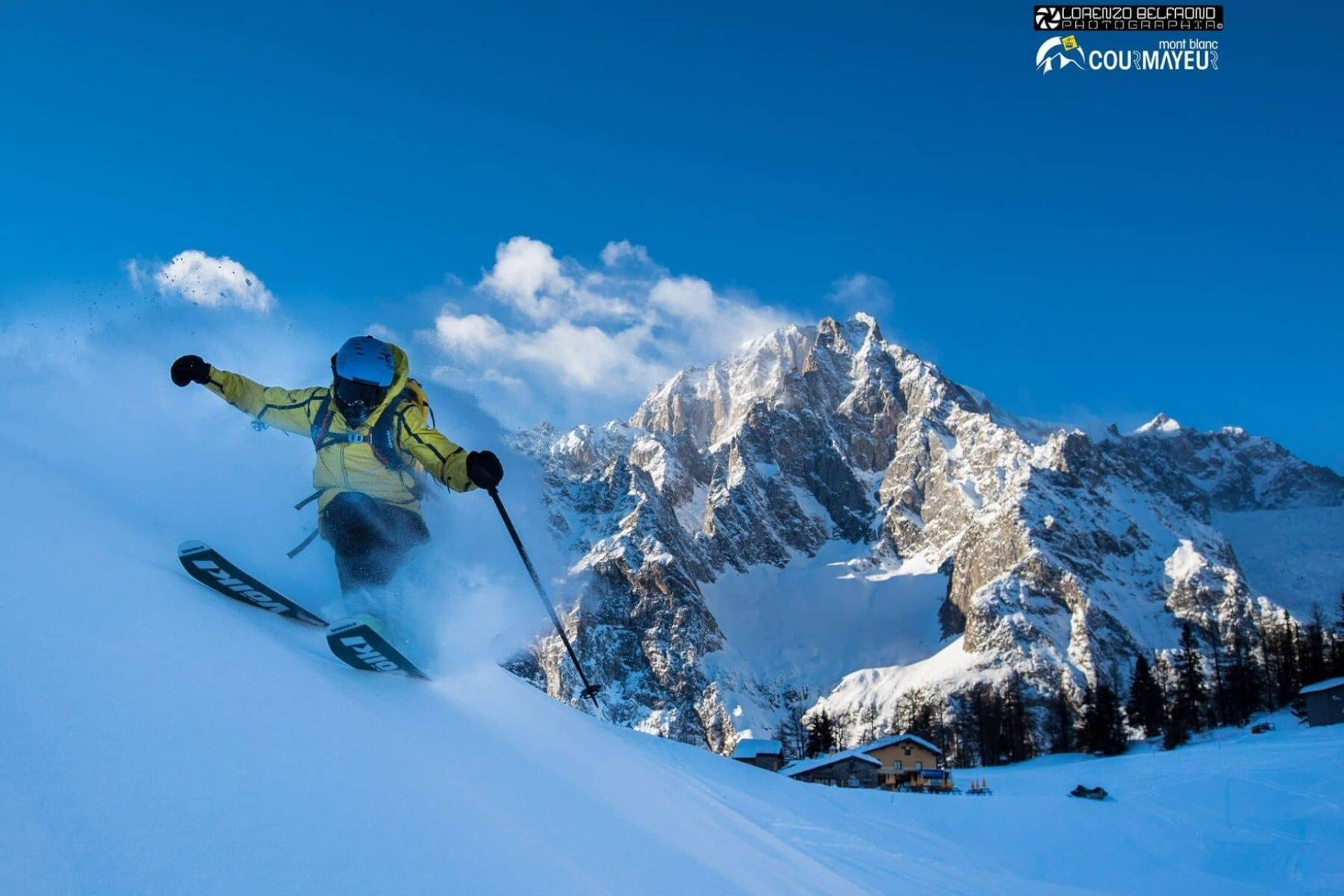
The resort is particularly renowned for off-piste skiing and freeriding. The Aiguille du Midi and Grands Montets provide access to breathtaking glacier terrain with features like ice falls and deep crevasses. Advanced skiers can also enjoy the powder in the Lavencher Bowl, which can be reached via the Bochard lift, or participate in the annual Red Bull Snowthrill extreme freeride race. For heli-skiing enthusiasts, drops are available over the border in Switzerland or Italy, as heli-skiing is prohibited within French national parklands.
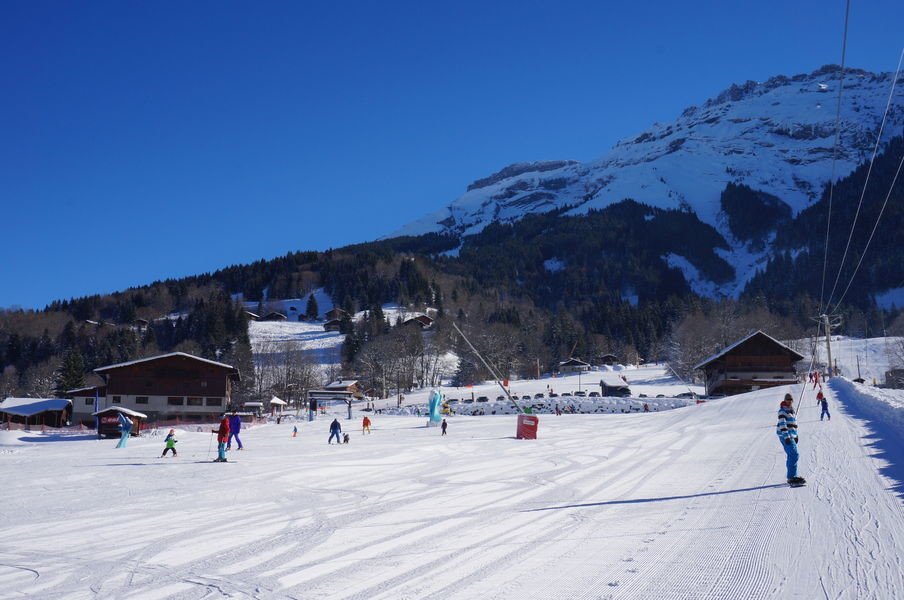
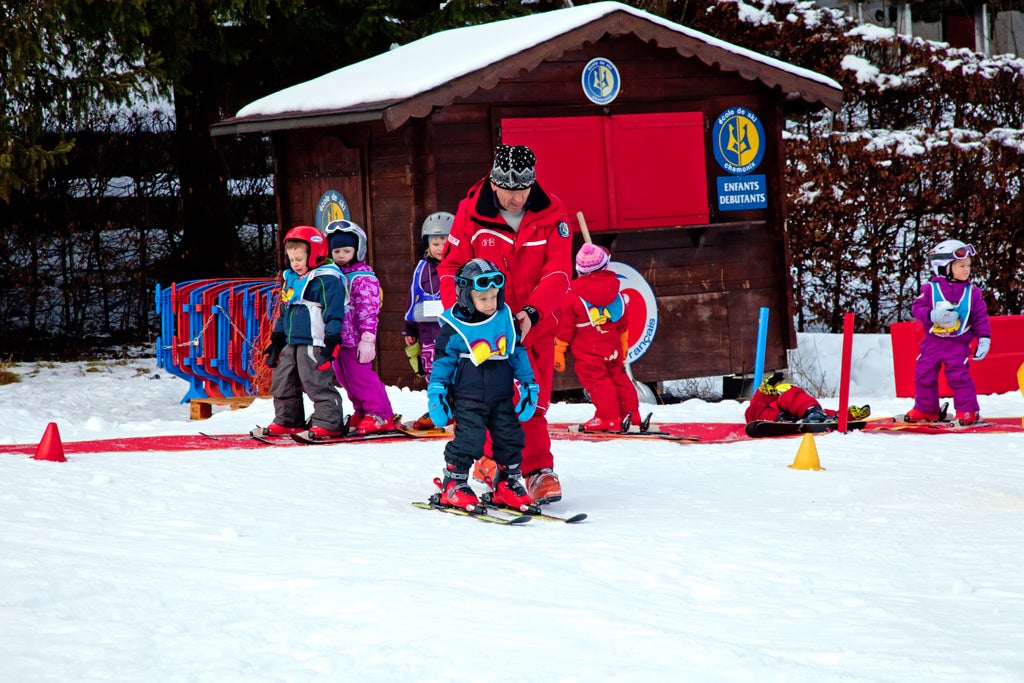
Chamonix is also accommodating for beginners and intermediates, with 13% of its runs designed for beginners, 36% for intermediates, and 37% for advanced skiers. Many green, blue, and red runs are spread across the resort. Areas such as La Flégère and Les Planards offer long, consistent runs ideal for practicing turns and building confidence. The nursery zones—Les Planards, Les Chosalets, Le Savoy, and La Vormaine—are all covered by the Chamonix Pass. Les Planards, with its guaranteed snow cover from 41 canons, is particularly popular for both beginners and intermediates. While beginner areas like Les Chosalets and La Vormaine are welcoming, their distance from other skiing areas can make them feel somewhat isolated.
Freestyle enthusiasts will find Chamonix equally exciting. Les Grands Montets hosts a snowpark at the mid-station of Lognan, complete with a Fun Zone for beginners and advanced areas featuring jumps and banked turns. Les Houches’ Area 43 is a modular park offering boxes, rails, and tables, with plans for future expansions. Beyond designated snowparks, the resort boasts natural freestyle terrain, with gullies, quarter-pipes, and natural kickers like those in Le Tour and La Flégère. With snowfall averaging 461 cm annually, supported by snowmaking capabilities, Chamonix ensures reliable conditions for all levels of skiers and snowboarders.
Plan Your Trip
Transportation
Chamonix is well-connected and remarkably accessible despite its alpine setting. The closest major airport, Geneva International Airport, lies 88 km away, making it the most convenient entry point for international visitors. Regular shuttle services and private transfers operate between Geneva and Chamonix, typically completing the journey in around 1 hour 30 minutes. Lyon-Saint Exupéry Airport (220 km) and Milan Malpensa Airport (250 km) also provide access, though with longer travel times. For rail travellers, the nearest TGV hub is Saint-Gervais-les-Bains-Le Fayet, approximately 20 km from Chamonix, with Mont Blanc Express trains continuing directly into the resort. Budget-conscious visitors can also opt for coach services from cities like Annecy and Geneva.
For those driving, Chamonix is accessible via the A40 autoroute from Geneva or the Mont Blanc Tunnel when approaching from Italy. The roads are well-maintained and scenic, though winter tyres or snow chains are mandatory during snowy months. Once in Chamonix, visitors can rely on a free shuttle network, including Le Mulet (for short trips within the town) and Chamonix Bus, which connects the town centre with surrounding ski areas. Given its convenience and affordability, flying into Geneva and taking a shared shuttle remains the most efficient option, particularly for shorter stays.
Important Dates
- Projected opening dateNov 28, 2026
- Projected closing dateMay 02, 2027
- Projected Days Open164
- Days Open Last Year158
- Years Open102
- Average Snowfall517cm
Chamonix is a skier’s playground with a formidable reputation – and for good reason. The valley’s terrain spans five distinct areas: Les Grands Montets, Brévent-Flégère, Le Tour/Balme, Les Houches, and Vallée Blanche, each offering a unique experience. Les Grands Montets is the go-to zone for advanced and expert skiers, featuring steep, open faces and long descents, with breathtaking views. Brévent-Flégère, the sunniest area, is linked by lift and delivers a mix of red and black pistes that sweep down panoramic ridges above the town.
For confident intermediates and those looking to progress, Le Tour/Balme is a haven of wide, rolling pistes with excellent snow quality, particularly early in the season. Families and newer skiers tend to favour Les Houches for its gentle slopes and tree-lined runs, plus it’s home to one of the best downhill courses on the World Cup circuit. The area also offers great visibility in poor weather, a welcome advantage on cloudy days.
The Vallée Blanche is legendary – a 22 km descent through dramatic glacier terrain that requires a guide but rewards with an unforgettable adventure. This high-alpine route starts at 3,842 m and drops over 2,800 vertical metres, winding through crevasses and icefalls, surrounded by Mont Blanc’s towering spires. It’s not marked or groomed, but that’s part of the magic for experienced riders seeking something iconic.
Chamonix caters to all skill levels. While 13% of runs are ideal for beginners, it’s the 36% intermediate and 37% advanced split that defines the valley’s edge. Snow conditions are supported by extensive snowmaking infrastructure, and the lifts – from high-speed chairs to aerial trams – keep queues moving even during peak weeks.
Adding to the experience, Chamonix also features two freestyle parks, including one at Les Grands Montets, with modules suited to budding freestylers and seasoned tricksters alike. But it’s the landscape itself – from sheer rock faces to hanging glaciers – that sets this resort apart. Skiing here is more than just turns on a piste; it’s immersion in one of the most awe-inspiring mountain settings in the world.
Terrain
Lifts
82Inside Scoop
If you’re aiming for the best snow and fewest crowds, try visiting Chamonix mid-January or early March. These windows often bring fresh snowfall with fewer skiers, especially midweek. Locals know to avoid the rush at Grands Montets in the morning by heading to Flégère first, where the sun hits early and queues are lighter. Late afternoons? That’s the perfect time to circle back to Brévent and enjoy the long reds into the valley with golden light on Mont Blanc.
There’s a quiet little perch above Le Tour that doesn’t get much attention: take the Autannes chairlift and head left – not for the piste, but for the view. A short sidestep brings you to one of the most impressive vistas in the valley, with sweeping views over the Swiss border. It's a favourite lunch spot for ski instructors on break – pack a sandwich and you’ll fit right in.
Après-ski doesn’t have to mean loud bars and crowds. While you’ll find energy at Chambre Neuf and La Terrasse, those in the know wind down at Elevation 1904 for its laid-back atmosphere or sip vin chaud on the heated terrace at MBC, Chamonix’s own microbrewery. And if you fancy a proper local experience, head to Les Planards for night sledging – it’s where the seasonnaires let off steam, and the laughter echoes through the trees well past dark.
Reviews
All Reviews »Europe's best resort for high-altitude skiing. Fantastic for off-piste and ski touring. And plenty of activities in town for après-ski or for those who don't ski.