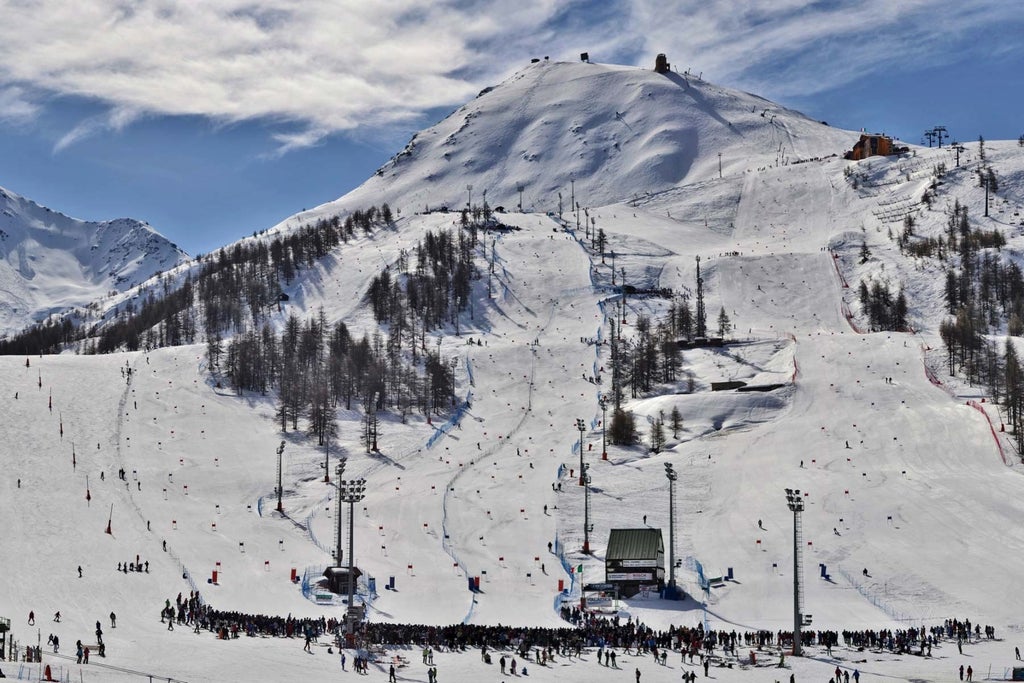
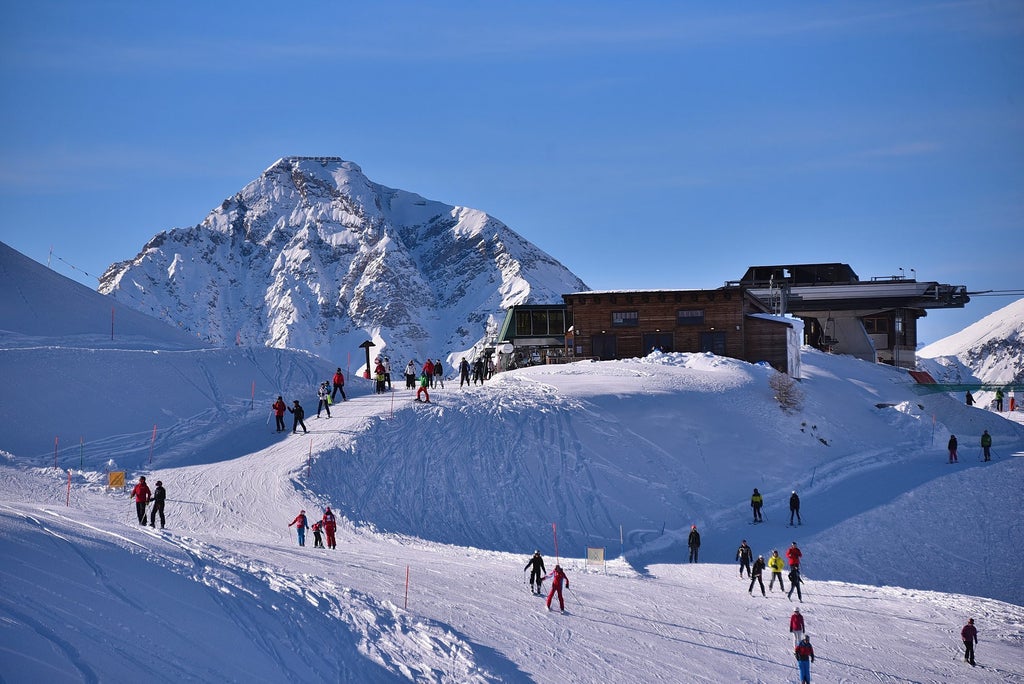
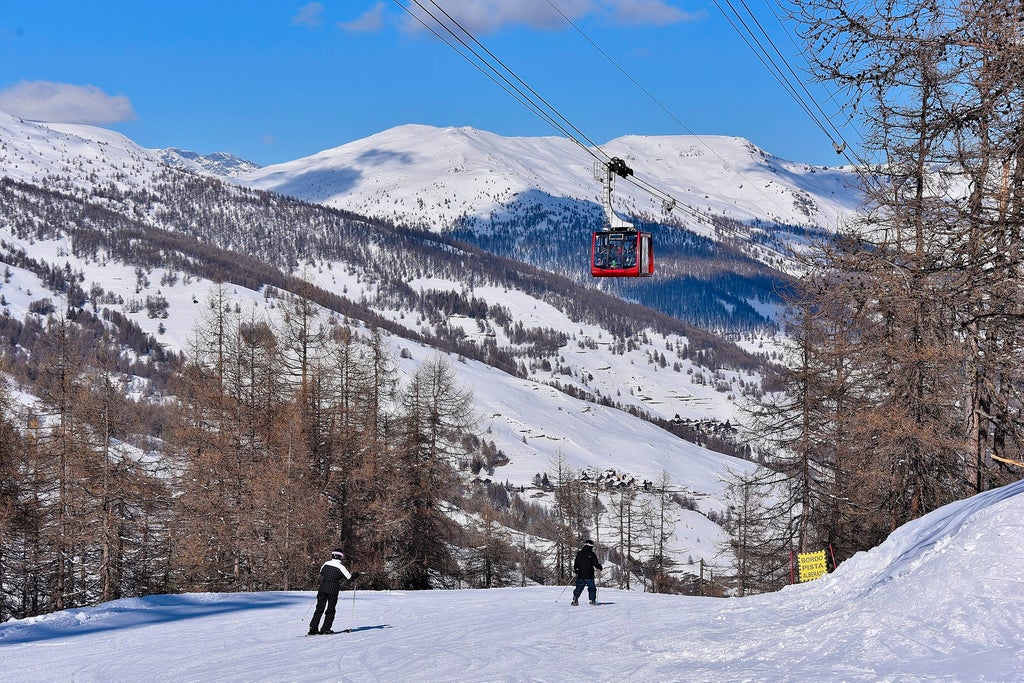
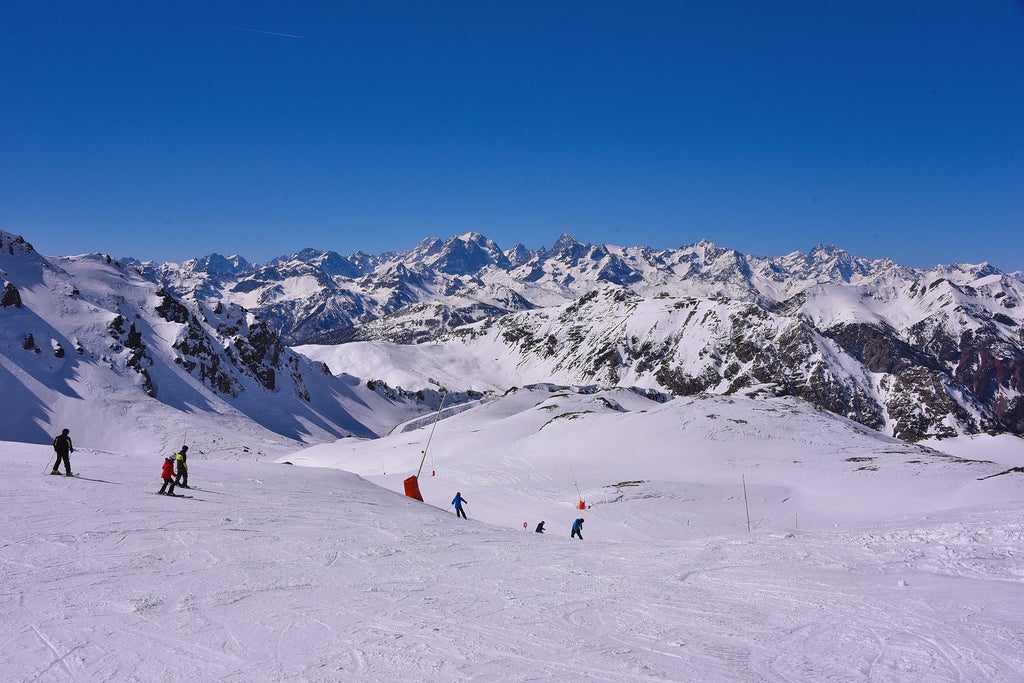
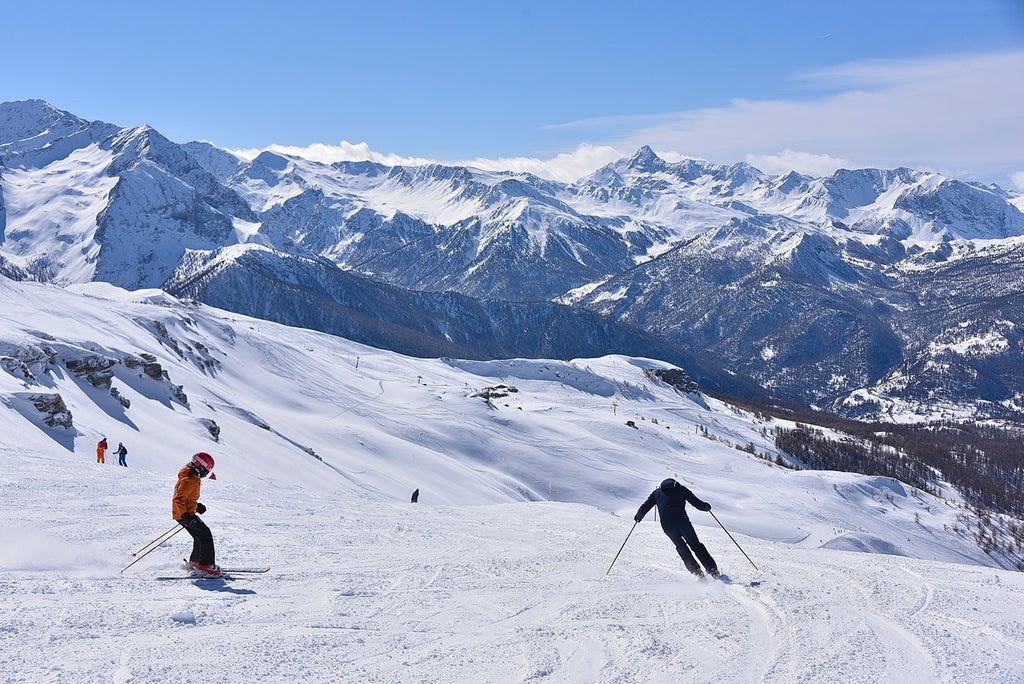
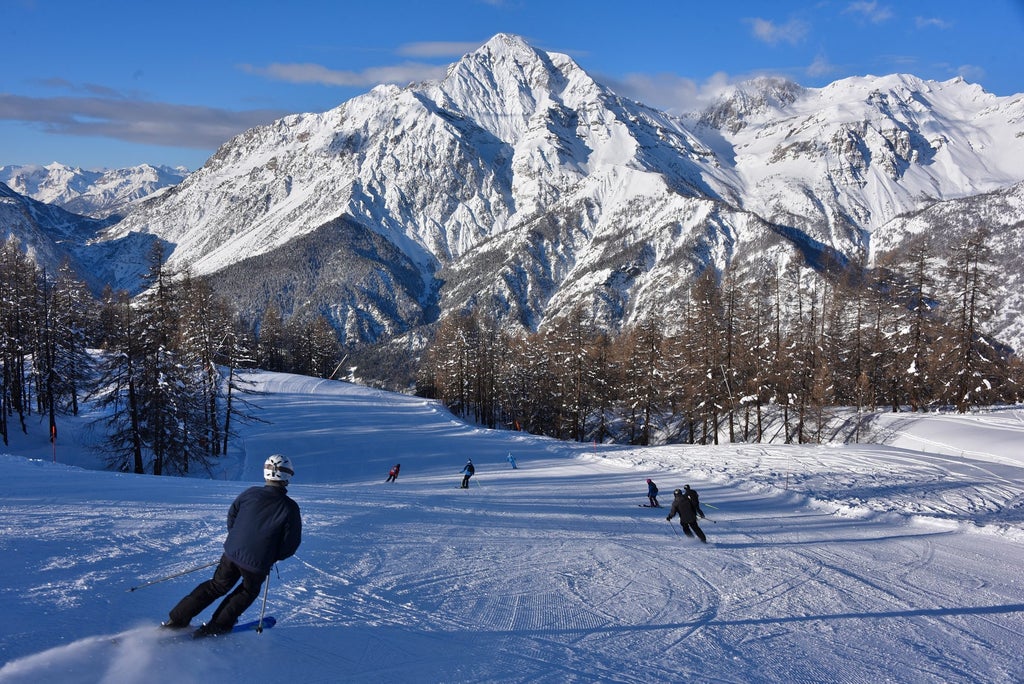
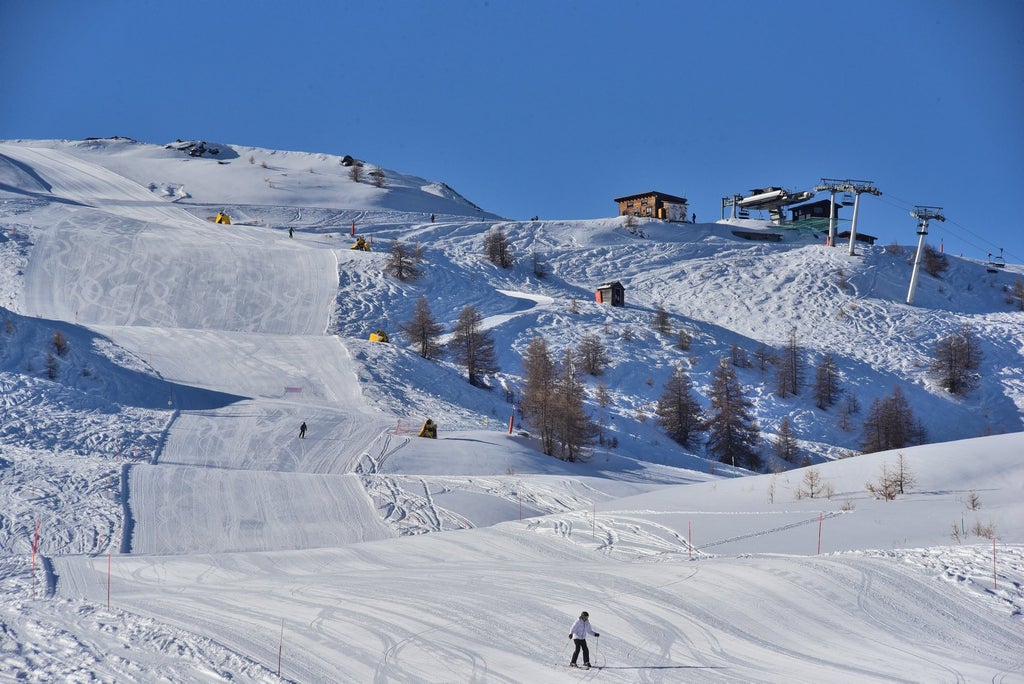
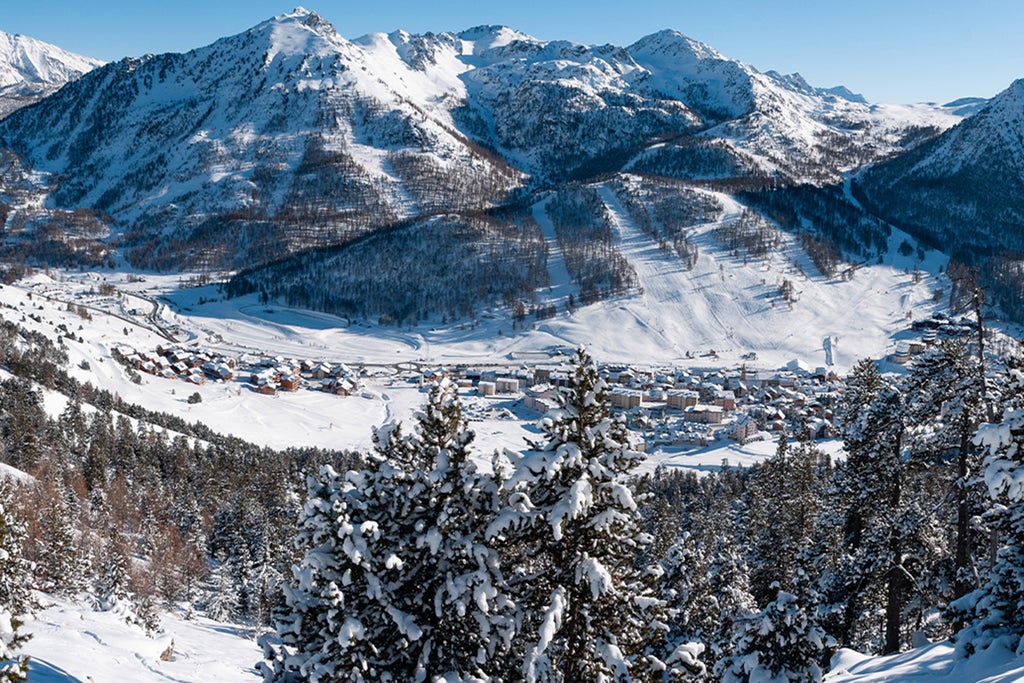
Sestrière is one of the most established ski resorts in the Italian Alps, located in the Piedmont region near the French border. Sitting at an altitude of 2,035 metres, it’s part of the wider Via Lattea (Milky Way) ski area, offering expansive access to one of Europe’s largest linked ski networks. The resort receives an average annual snowfall of 224 cm and is well-supported by snow-making systems across the pistes. With 82 runs, 19 lifts, and 400 hectares of skiable terrain, Sestrière offers a reliable and well-rounded alpine experience.
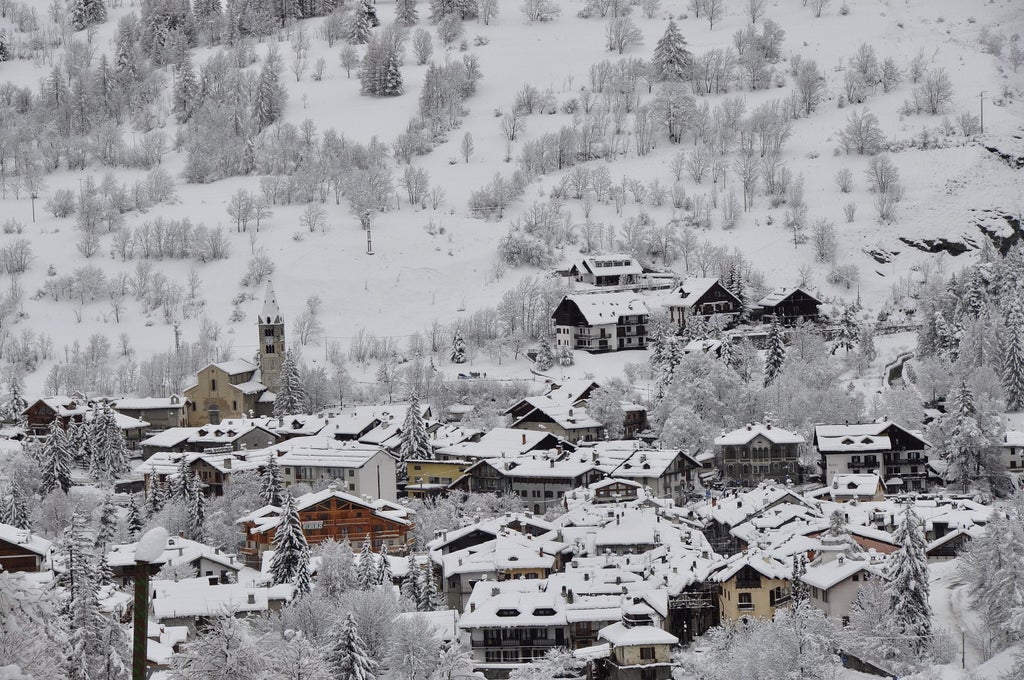
The resort is known for its balanced mix of terrain, with 37% of its pistes suited for intermediates, 46% for advanced skiers, and 17% for experts. Families are well-catered for, with several beginner zones near the village and ski schools that offer lessons in English. Facilities like kids’ snow parks, gentle nursery slopes, and easy access from accommodations to the pistes make it especially convenient for those travelling with children. Ski-in/ski-out lodging and a compact village centre also add to its ease of navigation and charm.
Visitors are drawn to Sestrière not just for its snow reliability and variety of skiing, but also for its atmosphere and heritage—it was the first purpose-built ski resort in Italy and played a central role in the 2006 Winter Olympics. With high-altitude skiing, panoramic views, and access to neighbouring resorts such as Sauze d’Oulx and Claviere, Sestrière is a smart and practical choice for skiers looking for an authentic alpine experience with modern comforts.
Travelling to Sestrière is straightforward, with several transport options available depending on your starting point. The closest major airport is Turin Airport (approximately 110 km away), which is well-connected with regular flights from across the UK. From the airport, it’s a two-hour drive to the resort. Alternatively, Milan Malpensa and Geneva airports can also be used, although these require a longer transfer. If travelling by rail, the nearest major station is Oulx (approx. 22 km away), accessible via high-speed trains from Paris and Turin.
From Oulx, travellers can use regional buses or pre-booked transfer services to reach Sestrière. Coaches from major Italian cities also service the resort during the winter season, with companies offering direct routes from Turin. Those driving can follow the A32 motorway and take the Oulx exit, with the final stretch up to Sestrière being well-maintained and clearly signposted. Shuttle services and ski buses operate locally between neighbouring villages, making it easy to get around the broader ski area without a car.
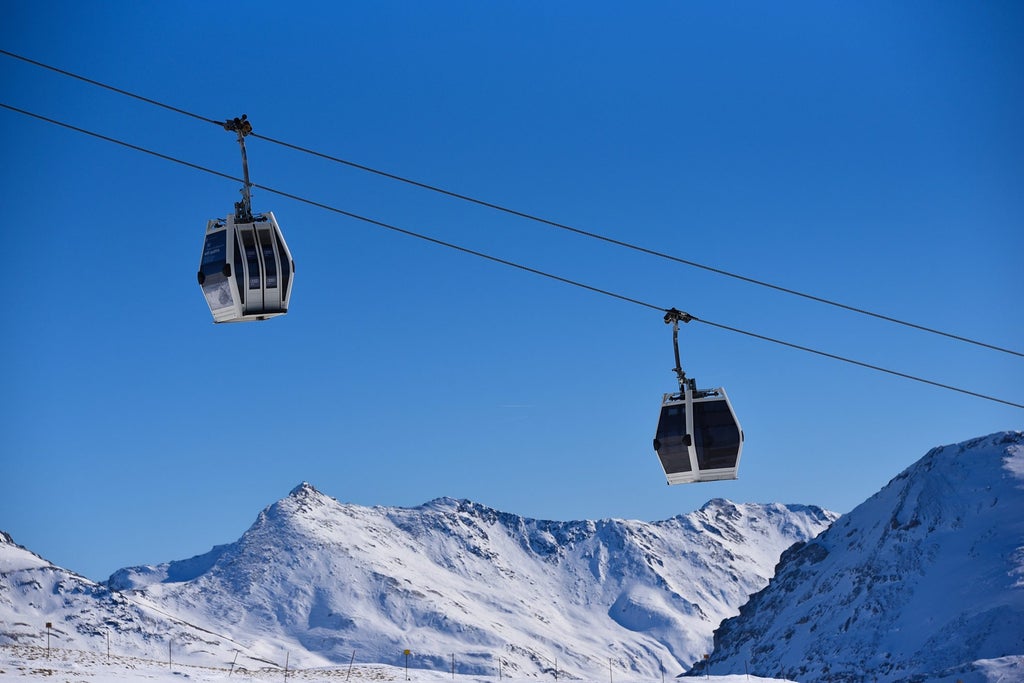
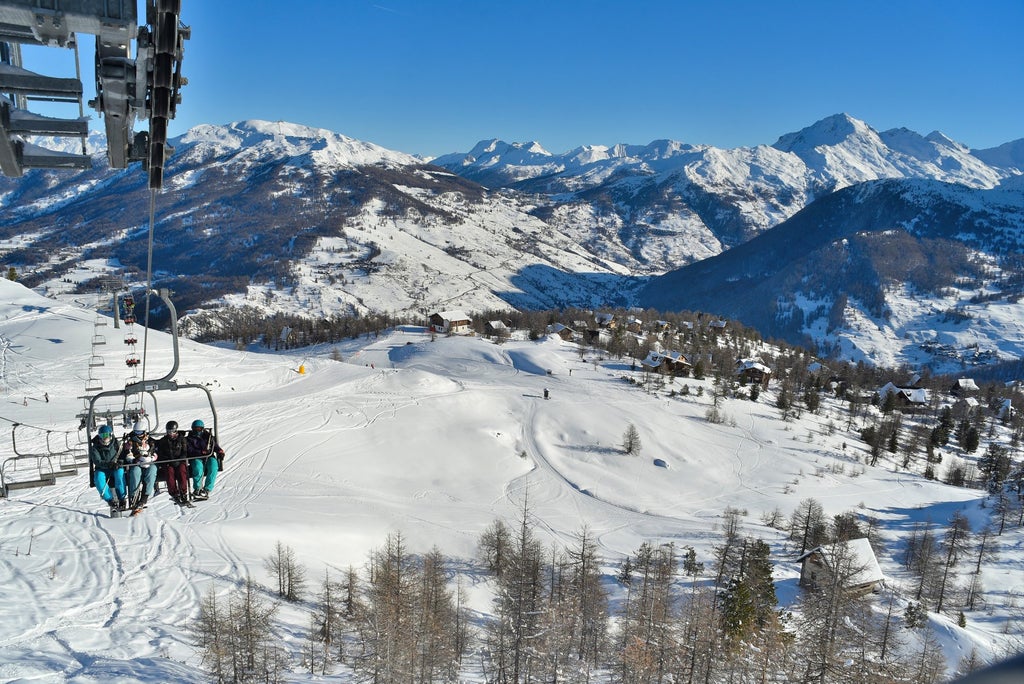
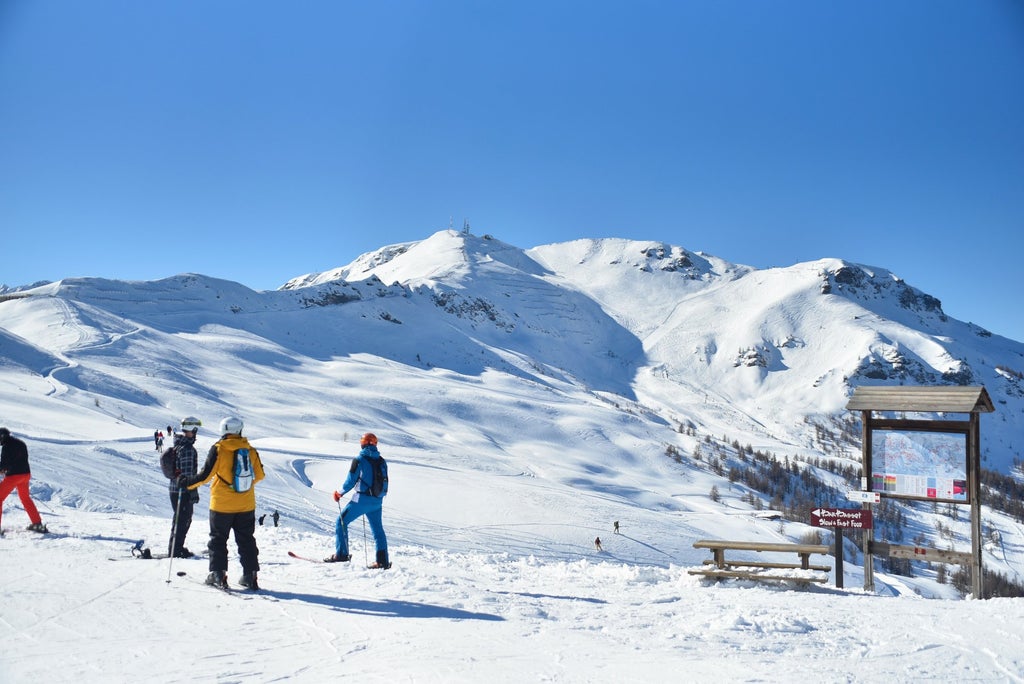
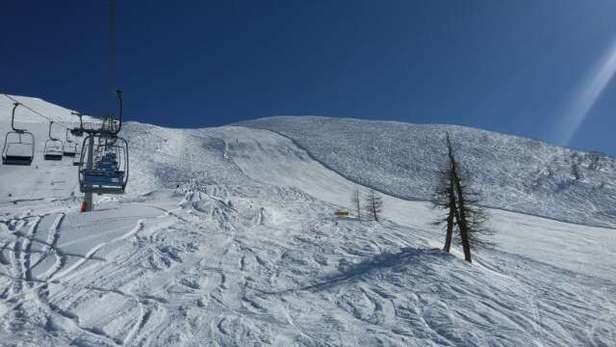
Sestrière’s terrain spans a diverse and well-groomed alpine landscape, with access to both sunny and shaded slopes depending on snow and weather conditions. The resort forms the core of the Via Lattea area, giving skiers access to over 400 km of connected pistes. The local area boasts 82 runs and 19 lifts, including high-speed chairs and gondolas. The base sits at 1,357 metres, while the summit reaches up to 2,840 metres, resulting in an impressive vertical drop of 1,483 metres. The layout makes it easy to plan full days on the mountain, with minimal queuing and efficient lift links.
For beginners, nursery slopes near the village centre provide a safe space to learn, with gentle gradients and English-speaking instructors readily available. These areas are conveniently located next to accommodations and ski rental shops, easing the experience for first-timers and families. Progression from green to blue pistes is smooth, with several forgiving runs that offer confidence-building opportunities without the pressure of crowds.
Intermediate skiers will find Sestrière particularly rewarding, thanks to its wide, cruising red pistes that dominate the local map. These include long descents such as the 9 km run from Mount Fraiteve, which connects Sestrière with the neighbouring resorts. The panoramic views across the Alps on these routes are an added bonus, and many pistes are complemented by on-mountain dining spots ideal for lunch with a view.
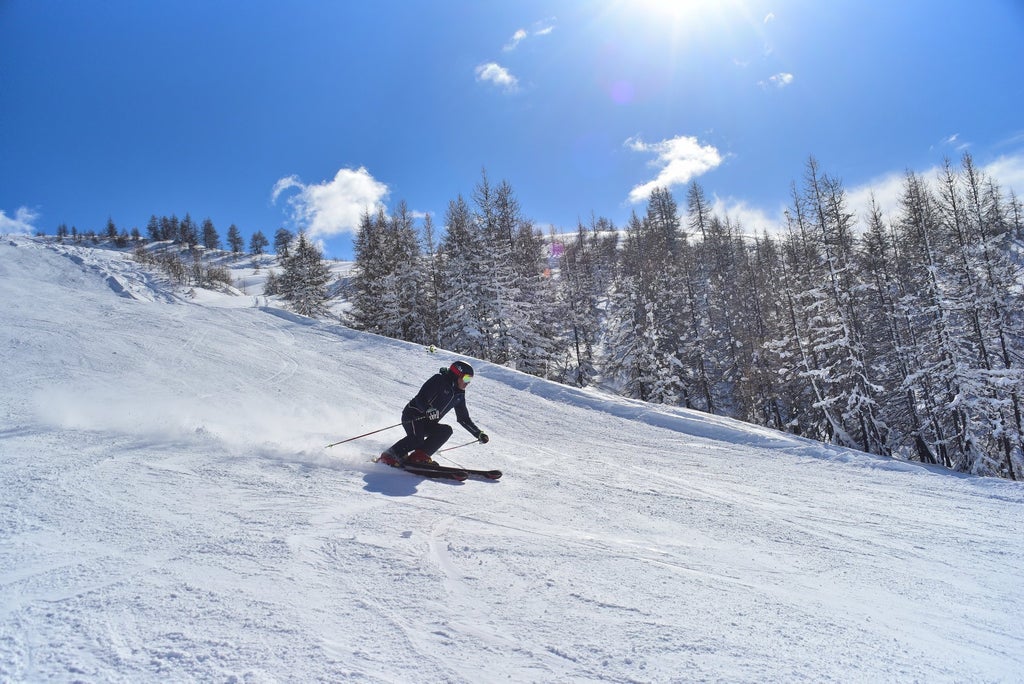
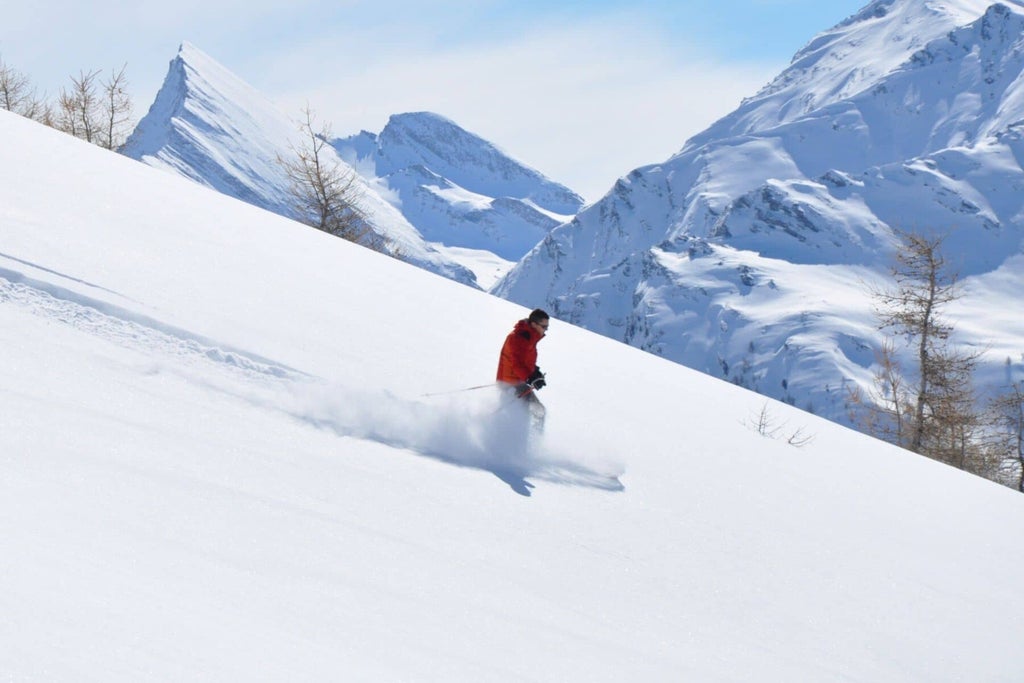
Advanced and expert skiers are well-served with a variety of steep black pistes and mogul fields, as well as off-piste opportunities when conditions allow. Some of the more technical descents were designed for Olympic competition, offering a genuine challenge for experienced riders. The Men’s and Women’s World Cup pistes remain in use and are maintained to a high standard for those seeking speed and precision.
Three terrain parks are available for freestyle enthusiasts, catering to different skill levels with boxes, jumps, and rails. Natural features such as ridgelines and open bowls provide opportunities for exploration, and on good snow days, the off-piste options across the Via Lattea can be extensive. The terrain mix at Sestrière ensures that skiers of all abilities have plenty to discover, with a logical piste layout that encourages exploration beyond the main slopes.
For the best snow conditions, visit Sestrière from mid-January to early March when the altitude and exposure ensure consistent coverage and fewer icy patches. Early December can be hit or miss for natural snowfall, but snow-making across key pistes keeps the main routes open. Wednesdays tend to be quieter, as many visitors ski elsewhere in the Via Lattea, making it an ideal day to enjoy the local runs without the queues.
One lesser-known area worth exploring is the far end of Borgata, where you’ll find a quieter sector with fewer skiers and scenic descents—especially in the early morning. For those seeking a peaceful ski with excellent views, this side of the mountain catches the morning sun and is often overlooked in favour of the main slopes. It’s also worth noting that the Olympic black pistes are often open to the public and surprisingly manageable for strong intermediates looking to push their limits.
Après-ski in Sestrière leans more towards relaxed drinks and good food rather than wild parties. Bar Sestriere in the village offers a cosy atmosphere with a solid wine list, while Pinky Bar and the Hotel du Col’s lounge offer a more upscale end-of-day unwind. For something special, locals often recommend a walk up to the top of the Fraiteve lift before sunset—on a clear day, the panoramic views stretch as far as the French Alps and offer a breathtaking end to your ski day.
The Sestriere/Via Lattea ski resort is one of the largest and most renowned in the Alps, but for a beginner, it has some pros and cons to consider. If you're a complete beginner, Sestriere may be a good place to start, but it might not be the ideal choice compared to resorts with more beginner-frien…