Alpe d'Huez Overview
Alpe d'Huez
- Projected Opening
- Dec 05
- Projected Closing
- Apr 25
- Lifts
- 72
- Trails
- 137
- Skiable Terrain
- 817 ha
- Base
- 1,860m
- Summit
- 3,330m
- Vertical Drop
- 1,440m
- Average Snowfall
- 445cm
- Nov69cm
- Dec106cm
- Jan106cm
- Feb82cm
- Mar78cm
- Apr38cm
Related News


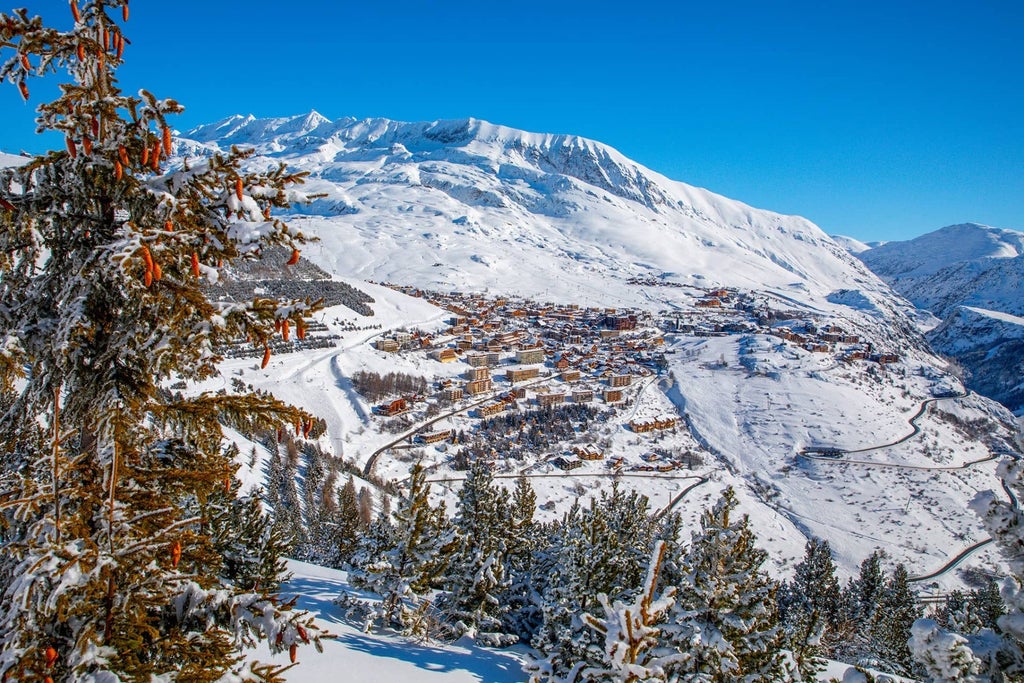
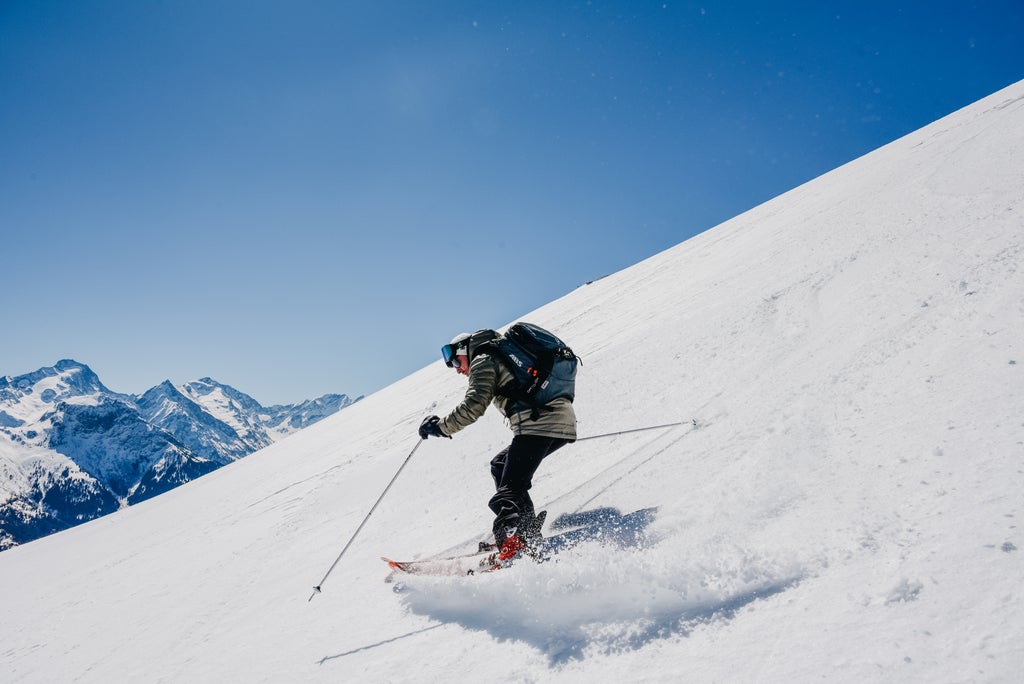
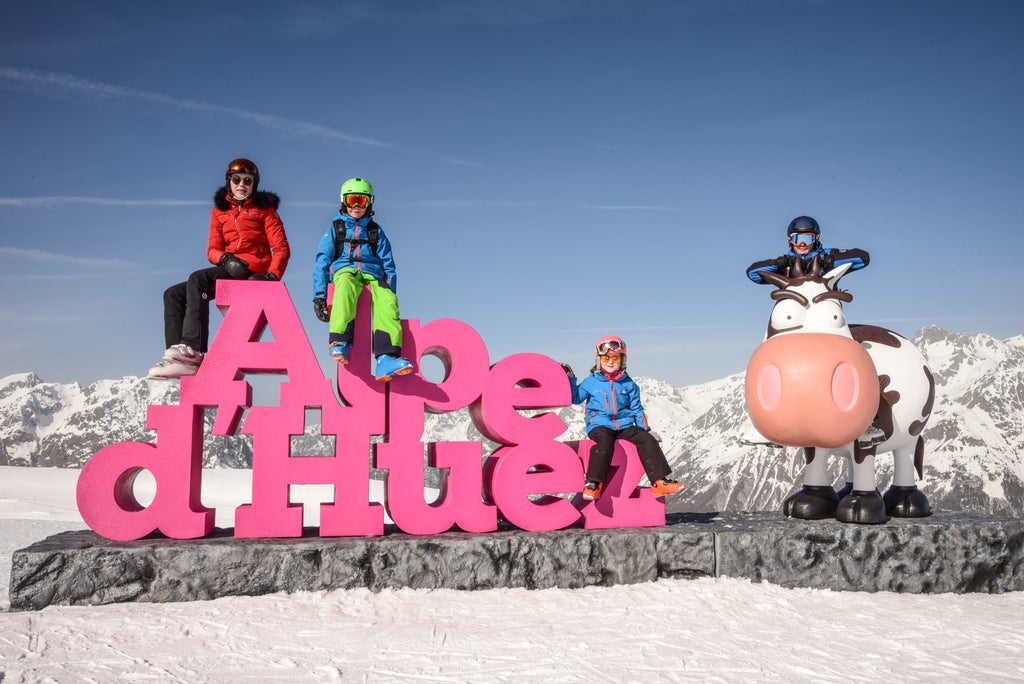
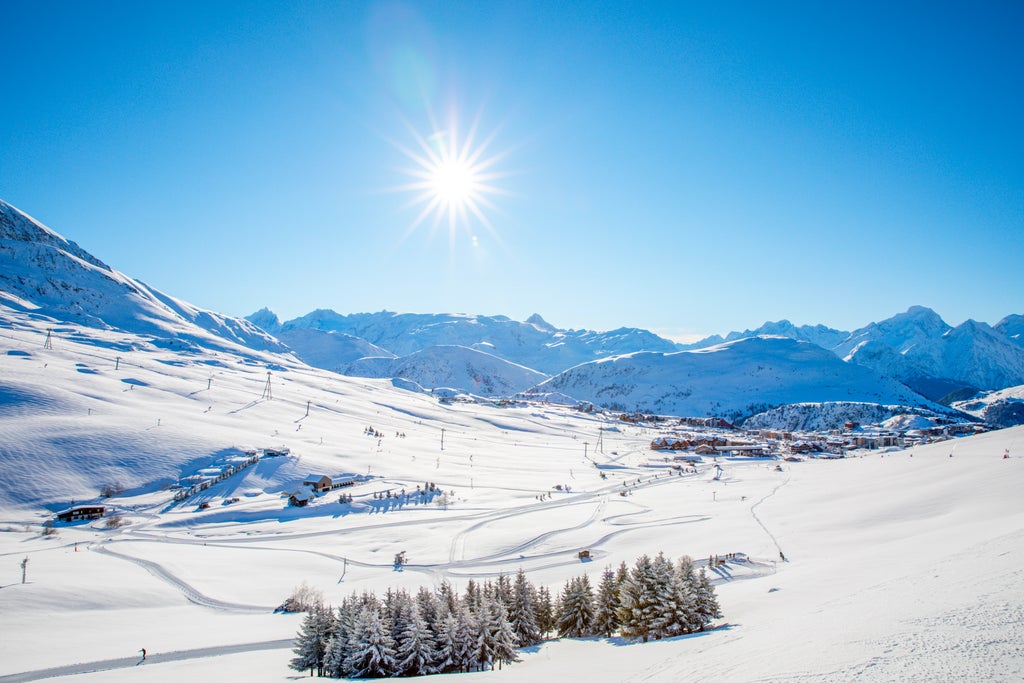
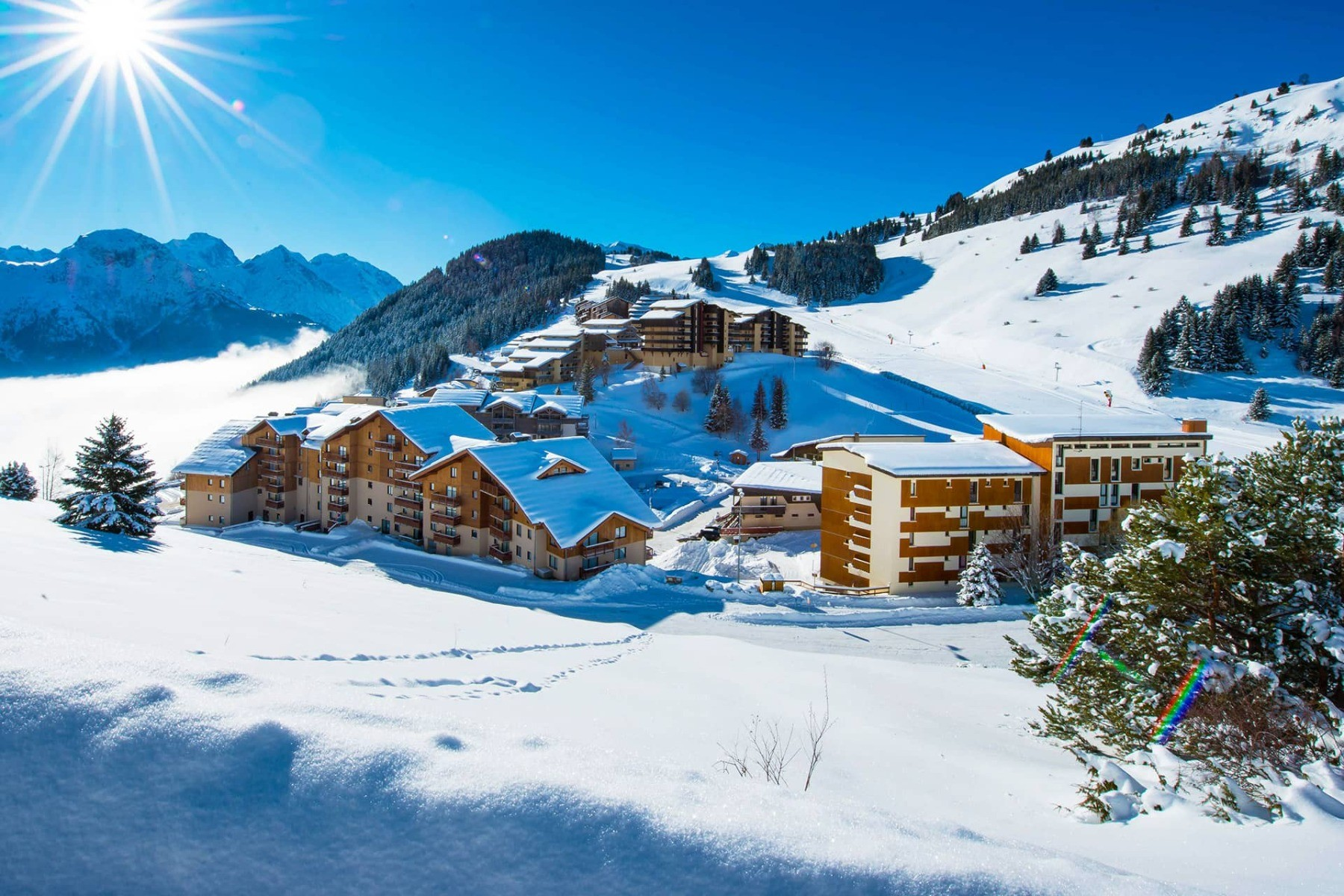
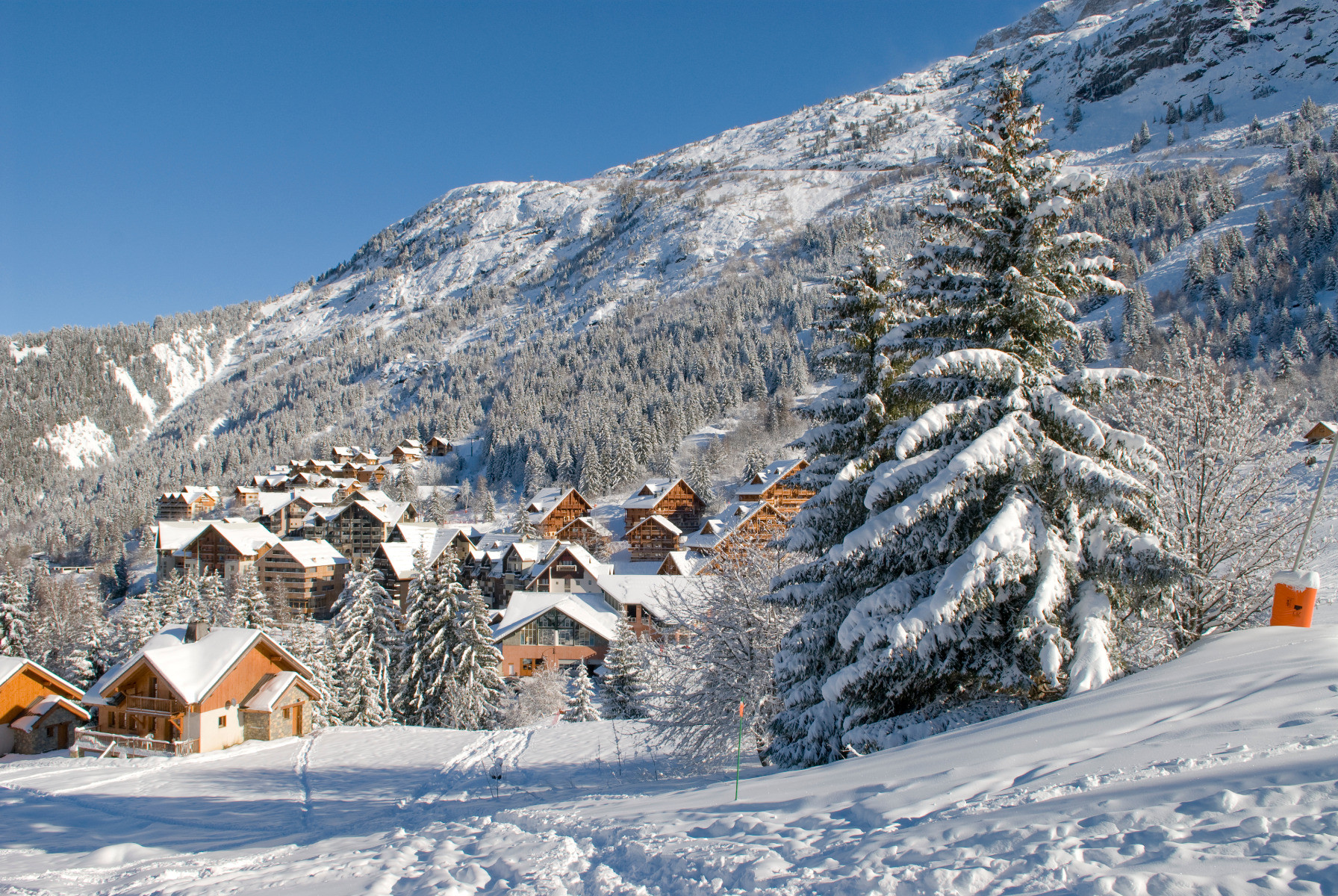
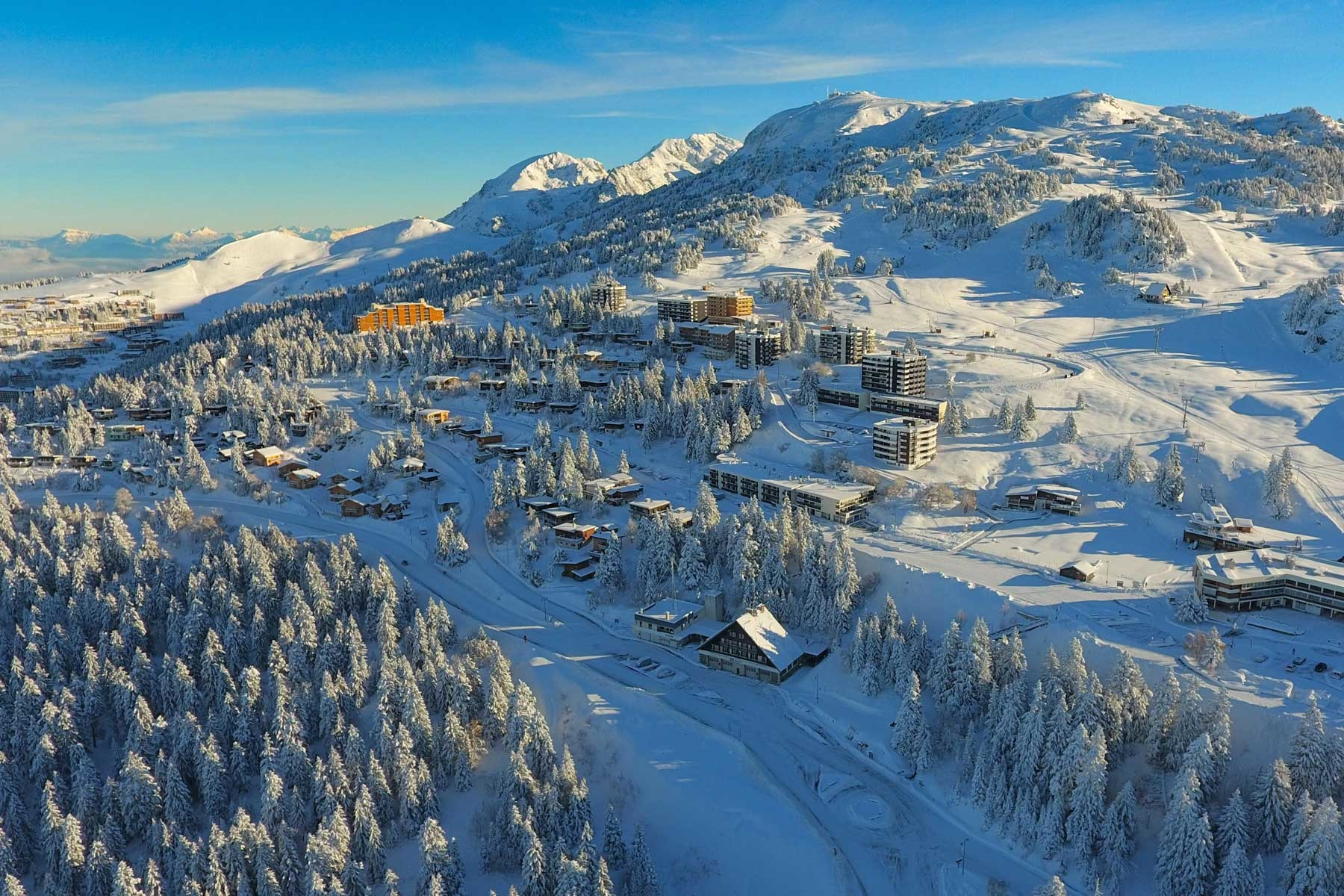
Alpe d’Huez, situated in the Isère region of France, is a renowned resort in the heart of the French Alps, celebrated for its high-altitude skiing, reliable snow conditions, and breathtaking views across the Grandes Rousses massif. With a base elevation of 1,860 metres and a summit reaching 3,300 metres, it boasts a significant vertical drop of 1,440 metres. The resort offers access to an expansive skiable area of 817 hectares and 251 km of pistes, served by 84 lifts. Annual snowfall averages around 432 cm, complemented by extensive snowmaking facilities that ensure consistent coverage throughout the season.
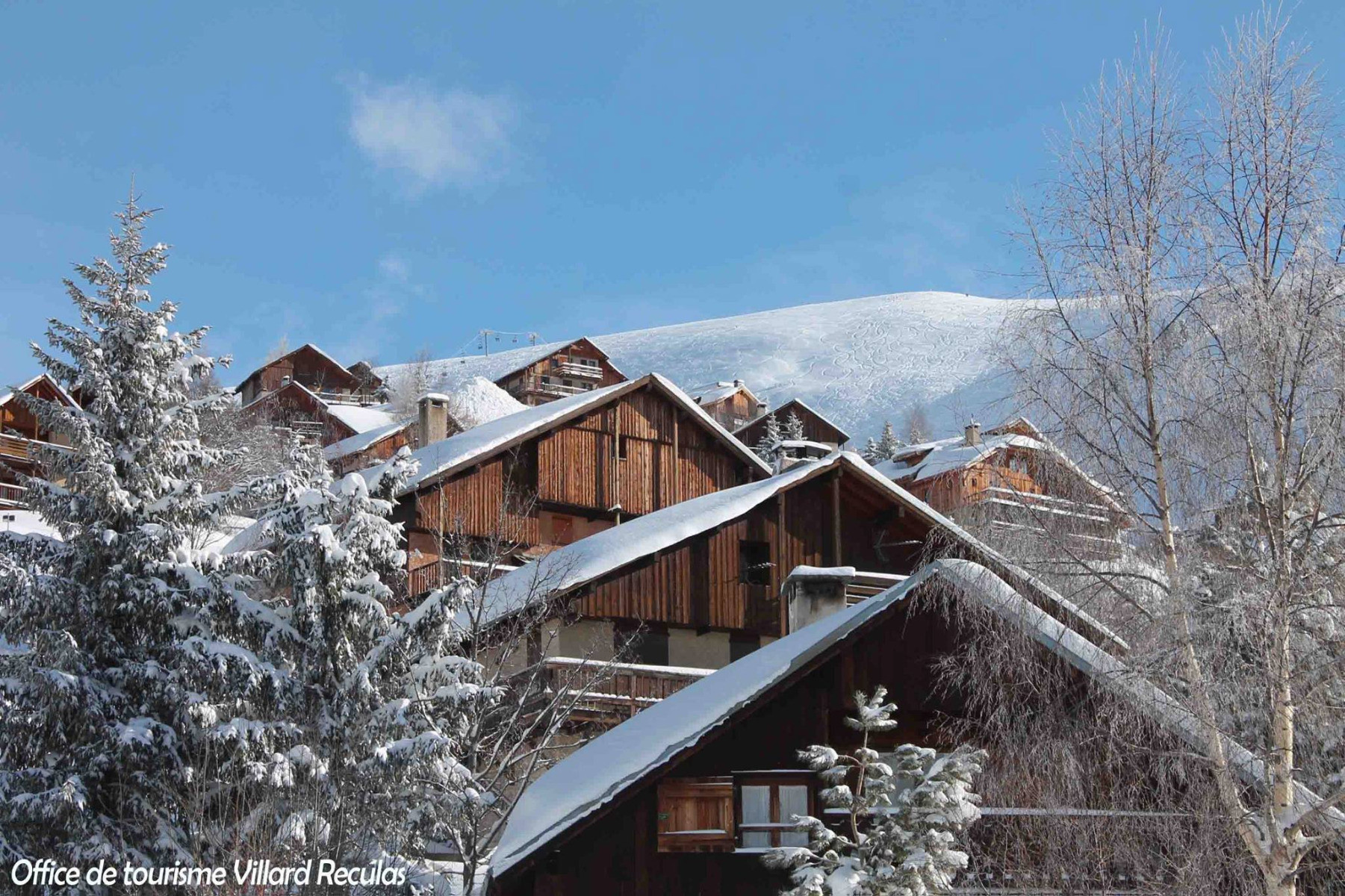
Families and first-time visitors will appreciate Alpe d’Huez’s pedestrian-friendly centre, diverse accommodation options, and range of activities beyond skiing. Ski schools, childcare services, and beginner zones create a welcoming environment for those travelling with young children. Meanwhile, experienced skiers and snowboarders enjoy its vast terrain and the well-connected neighbouring villages—including Auris-en-Oisans, Oz-en-Oisans, Vaujany, and Villard-Reculas—all part of the Grand Domaine ski area.
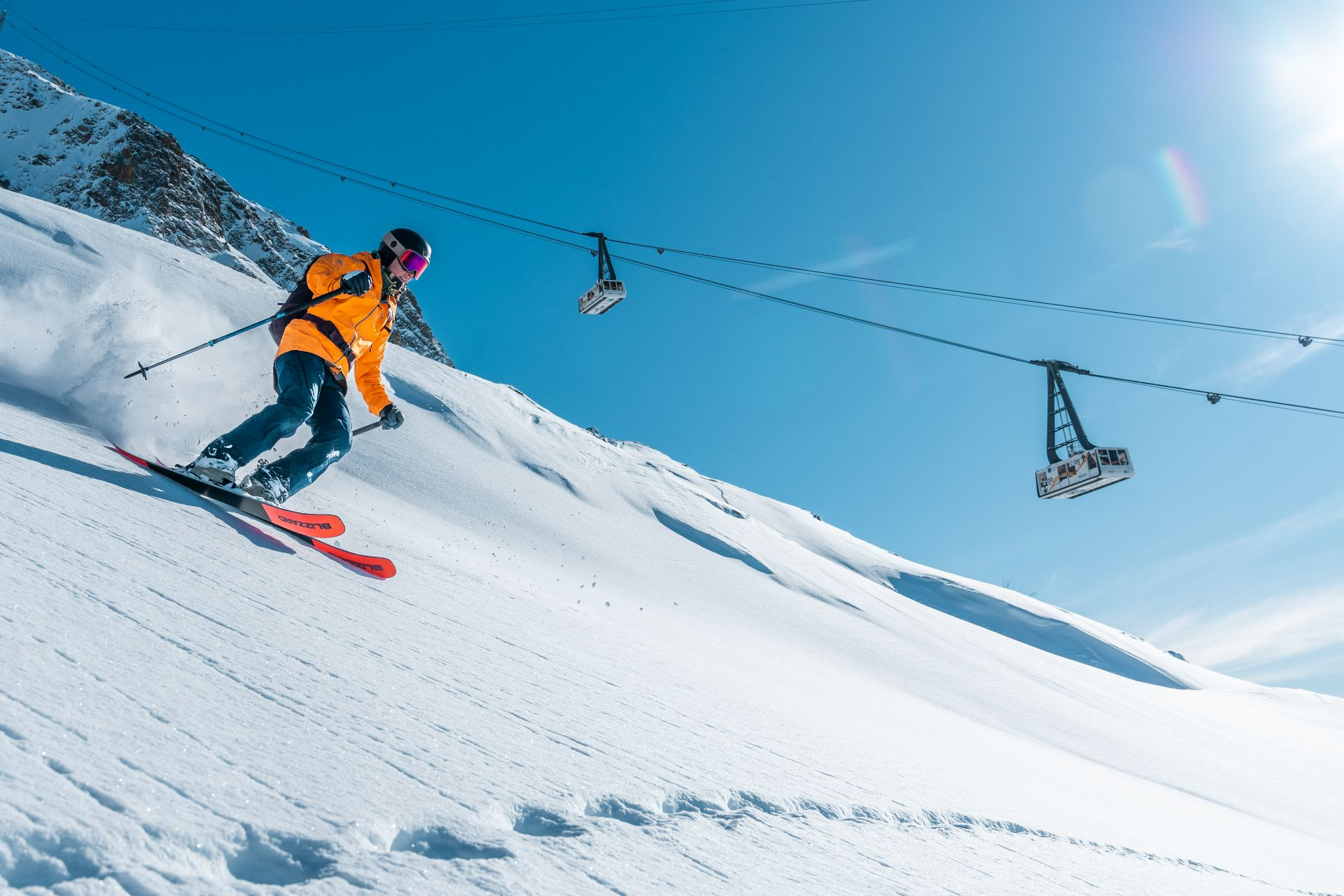
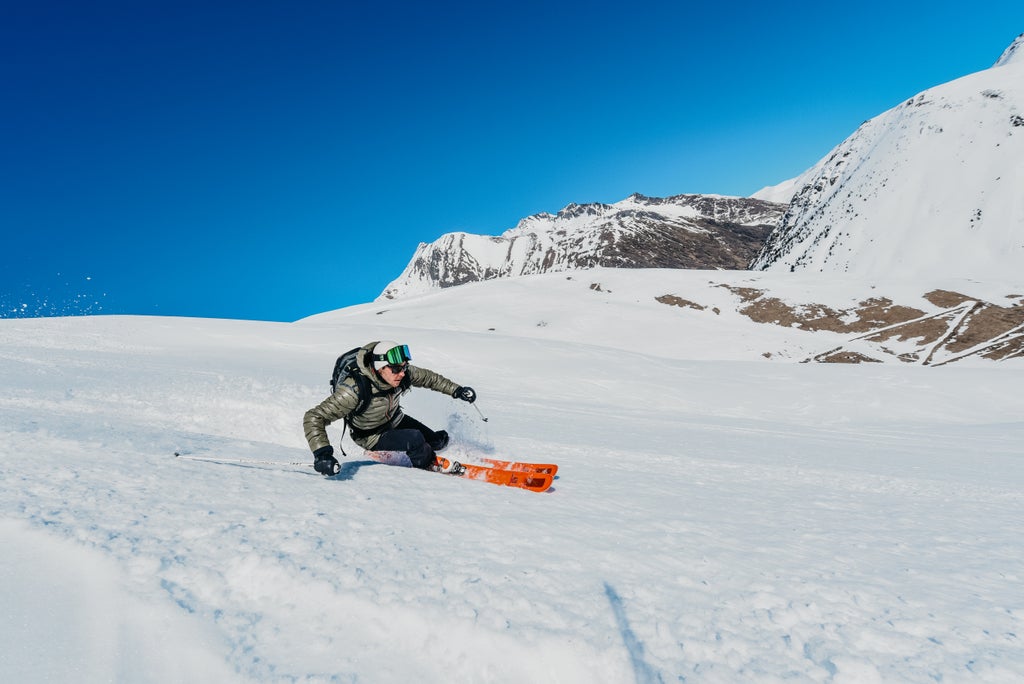
Alpe d’Huez balances world-class skiing with a lively atmosphere. It is one of the most energetic resorts in the French Alps, regularly hosting major events such as Tomorrowland Winter, attracting visitors looking for both adventure and vibrant après-ski. From wide-open pistes catering to beginners and intermediates, to iconic challenges such as the 16 km Sarenne run, the resort provides a mix of accessible terrain and exhilarating descents. A thriving après-ski scene, two snow parks, and direct access to high-altitude skiing further cement its reputation as a favourite among British holidaymakers.
Alpe d'Huez
- Projected Opening
- Dec 05
- Projected Closing
- Apr 25
- Lifts
- 72
- Trails
- 137
- Skiable Terrain
- 817 ha
- Base
- 1,860m
- Summit
- 3,330m
- Vertical Drop
- 1,440m
- Average Snowfall
- 445cm
- Nov69cm
- Dec106cm
- Jan106cm
- Feb82cm
- Mar78cm
- Apr38cm
Plan Your Trip
Transportation
Alpe d’Huez is well connected, offering several transport options to suit different budgets and travel preferences. The nearest major airport is Grenoble Alpes–Isère Airport, approximately 105 km away, followed by Lyon-Saint Exupéry (150 km) and Geneva (220 km). Seasonal coach services and private transfers operate from these airports, providing direct access to the resort. Travellers arriving by train can reach Grenoble station via TGV services from Paris and other major cities, with regular coach and shuttle connections running from Grenoble to Alpe d’Huez.
Driving is another convenient option, especially for families or groups carrying ski gear. The resort is accessible via the D1091 and the mountain road from Bourg d’Oisans, which features a series of hairpin bends but remains well-maintained and open year-round, weather permitting. Once in Alpe d’Huez, free shuttle buses connect key sectors and neighbouring villages, making it easy to navigate the area without a car. For many British visitors, flying into Grenoble and booking a coach transfer remains the most practical and cost-effective travel choice.
Important Dates
- Projected opening dateDec 05, 2026
- Projected closing dateApr 25, 2027
- Projected Days Open140
- Days Open Last Year140
- Years Open68
- Average Snowfall445cm
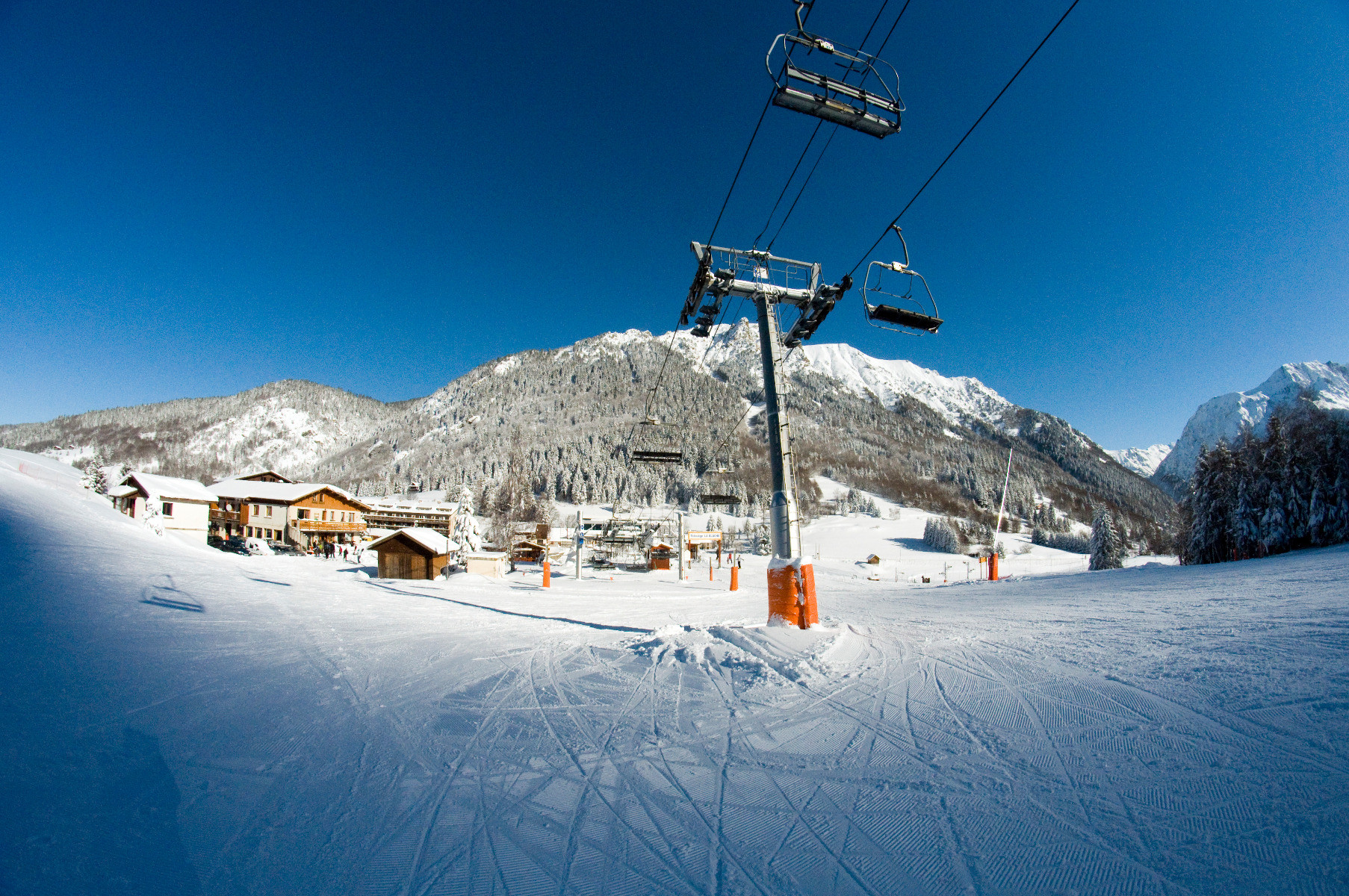
Alpe d’Huez boasts a vast and diverse terrain, covering 251 km of interconnected pistes across several satellite resorts, offering a true sense of exploration. The Grand Domaine ski area encompasses Auris-en-Oisans, Oz-en-Oisans, Vaujany, and Villard-Reculas, each providing distinct skiing experiences. The resort’s 84 lifts include high-speed gondolas, chairlifts, and surface lifts, minimising wait times and ensuring efficient connections across the mountain. The primary sector above Alpe d’Huez features broad, open slopes with reliable sunshine, making it particularly appealing for beginners and intermediates.
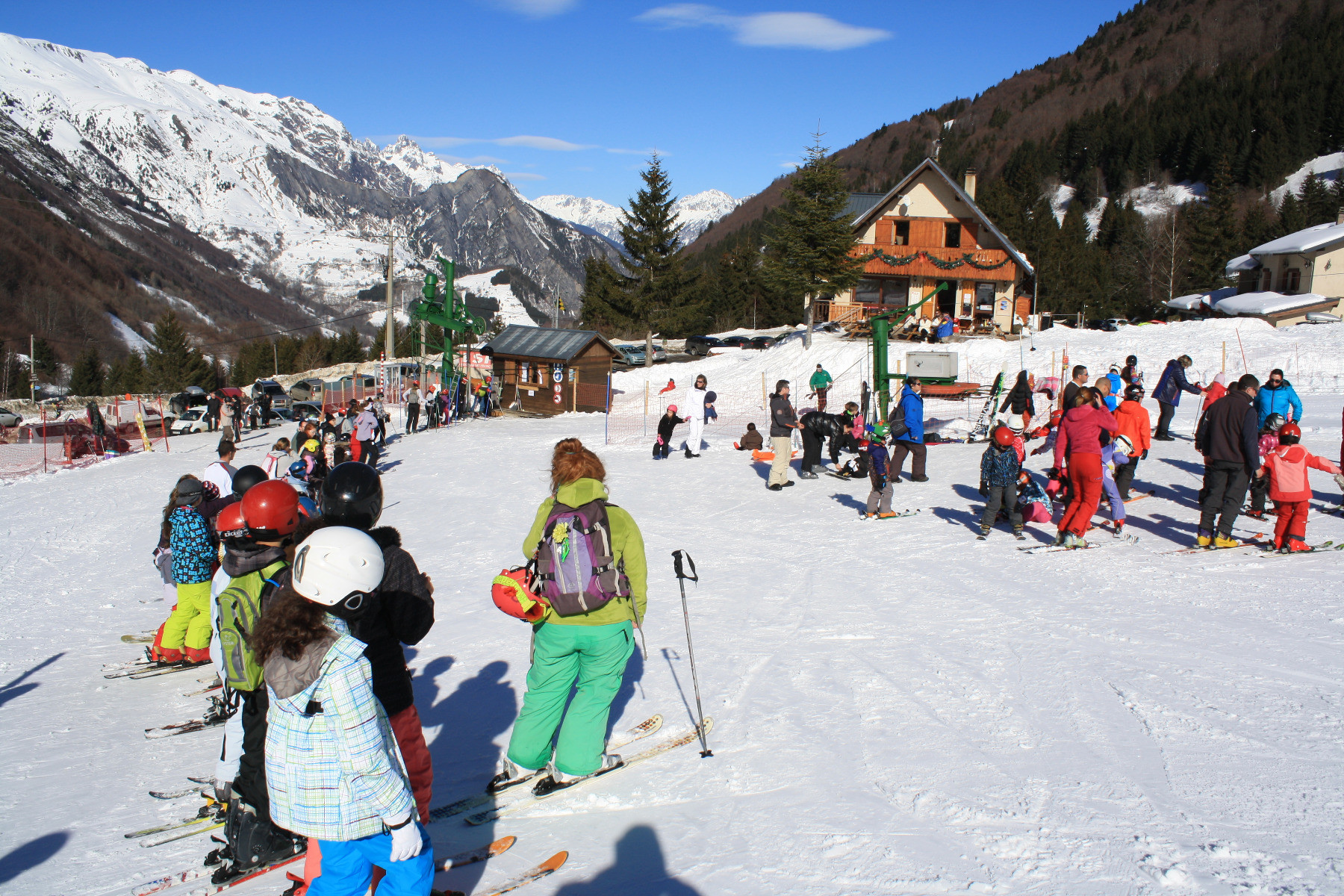
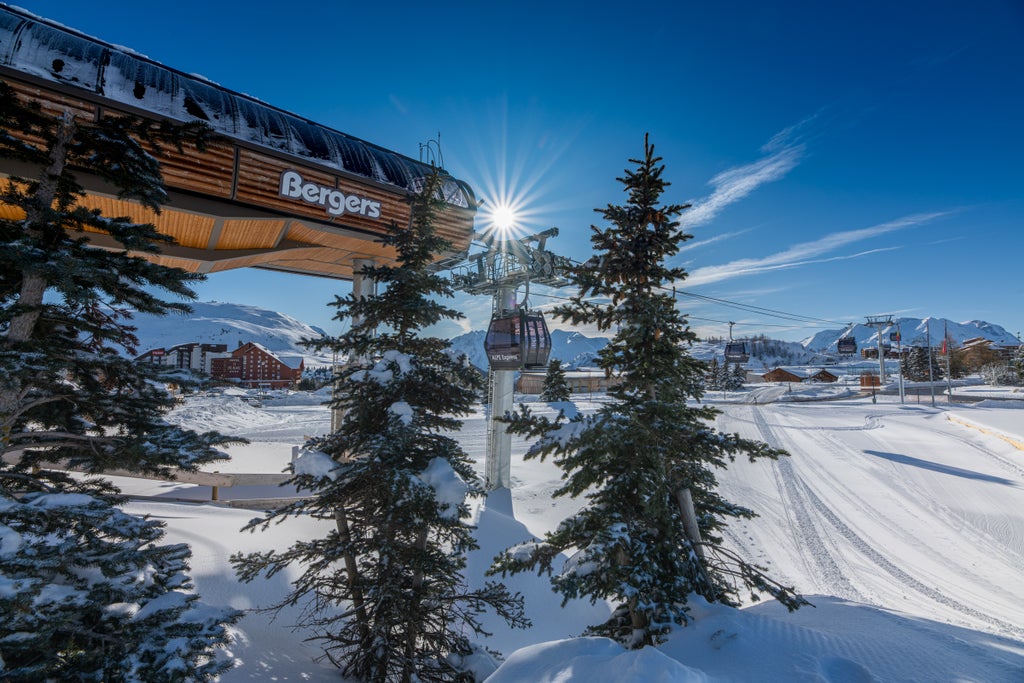
With 28% of its runs designed for beginners, Alpe d’Huez offers excellent learning conditions, including nursery slopes with free lifts and accessible greens and blues. The Les Bergers and Rond Point sectors provide gentle terrain for confidence-building, with easy lift access such as Romains and the Tronçon cable car. Intermediate skiers, who account for 30% of the resort’s visitors, can enjoy long descents towards Oz and Vaujany, as well as red runs offering a gradual challenge.
Advanced and expert skiers have plenty to explore, with 30% of the pistes classified as advanced and 12% marked for experts. The legendary Sarenne black run, at 16 km, is one of Europe’s longest descents, beginning near Pic Blanc and winding through varied alpine scenery. Other demanding options include steep drops from Clocher de Macle and Col de Cluy, which offer space for confident carving while avoiding crowds.
Snowboarders and freestyle skiers benefit from two snow parks, featuring jumps, rails, and boardercross tracks. While the advanced park challenges experienced riders, the beginner-friendly setup allows newcomers to develop their skills. Snow coverage remains reliable throughout the season, supported by the resort’s altitude and snowmaking systems.
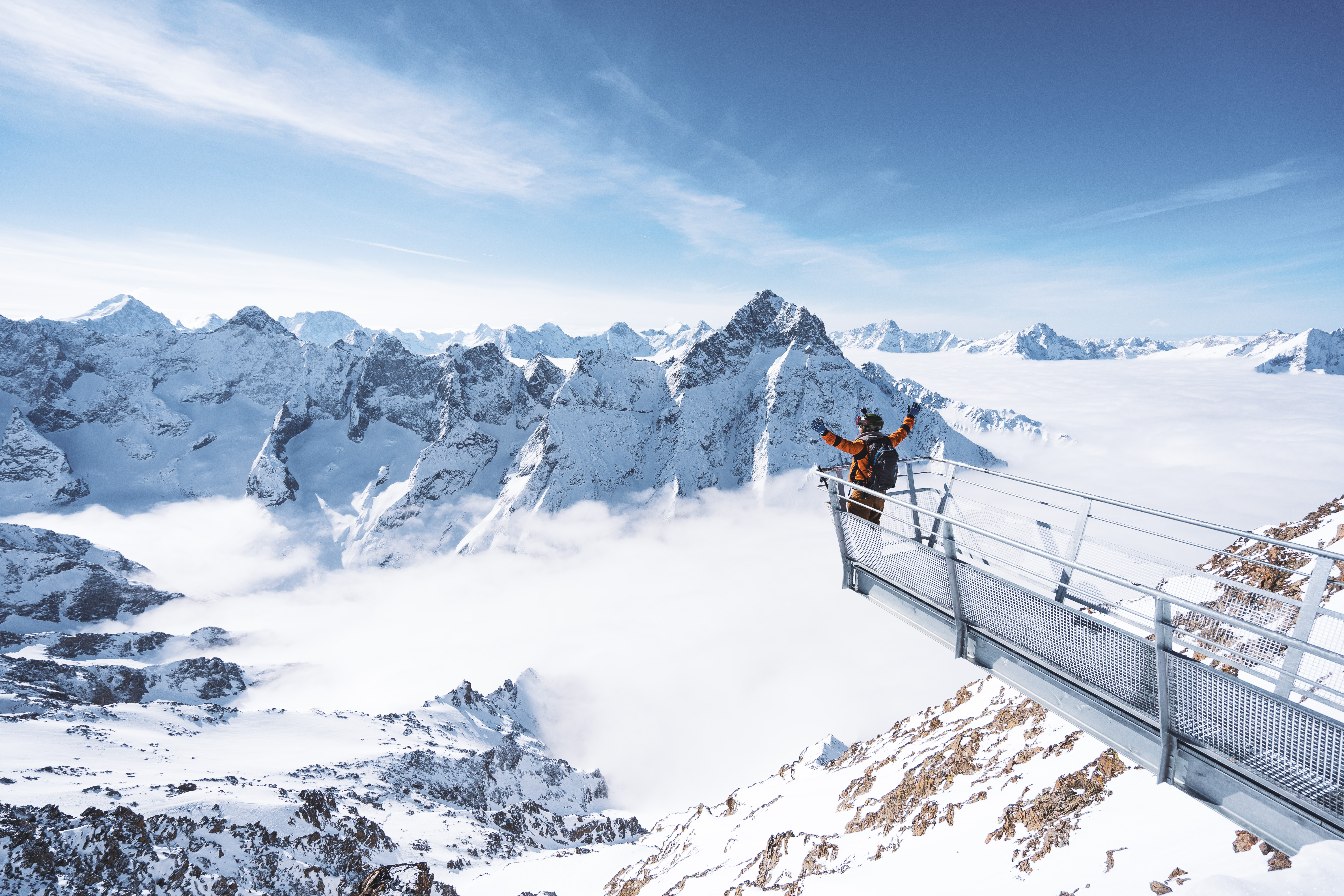
Beyond the marked pistes, Alpe d’Huez offers exceptional off-piste terrain. High-altitude bowls and couloirs near the Glacier de Sarenne and Combe du Loup attract adventurous skiers, though guided exploration is strongly advised due to avalanche risk. The panoramic views from Pic Blanc are another highlight, providing breathtaking vistas over the French Alps.
Terrain
Lifts
72Inside Scoop
For optimal snow conditions and quieter slopes, late January to early February is an excellent time to visit. These weeks typically offer prime skiing weather while avoiding the peak holiday crowds. Mid-week sessions are particularly enjoyable, with peaceful runs towards Villard-Reculas and Montfrais in Vaujany, which see fewer visitors than the central resort areas. After fresh snowfall, the upper slopes near Le Tunnel retain powder longer due to their elevation and aspect, making them ideal for early-morning runs.
For a different experience, taking the lift to Pic Blanc at sunrise offers a stunning perspective over the surrounding peaks, followed by an exhilarating descent down the Sarenne. Lunchtime crowds can be avoided by heading to La Plage des Neiges above Auris, where hearty meals and a quieter atmosphere provide a welcome break. The bars in Vieux Alpe are worth exploring for their intimate, local feel, often featuring live music in a more traditional après-ski setting.
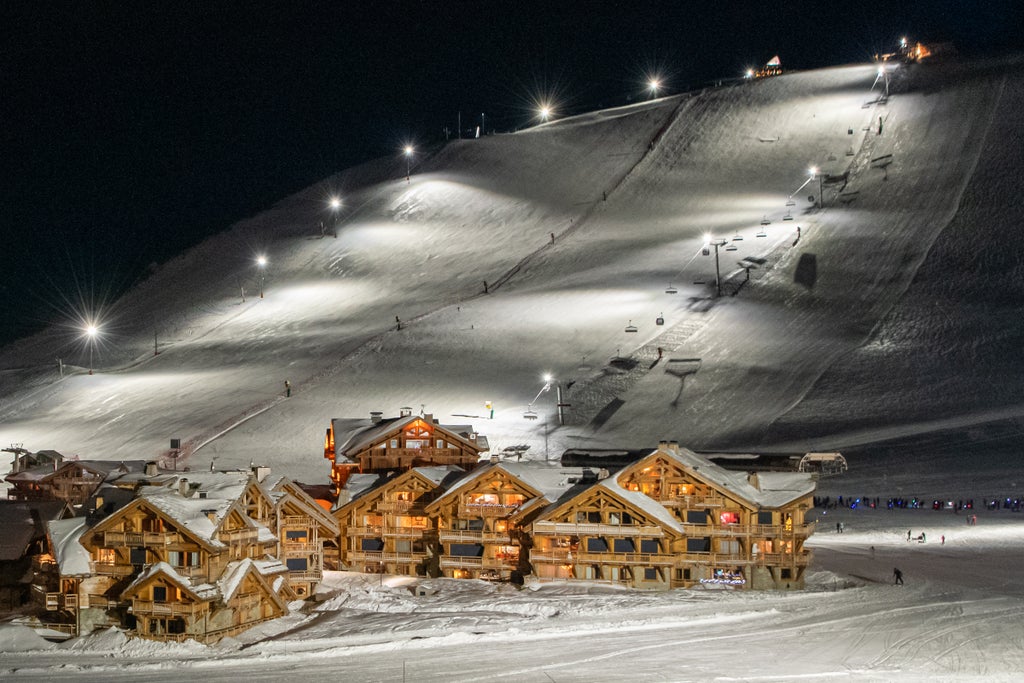
Outside of skiing, Alpe d’Huez offers several unique activities, from ice skating in the resort centre to an underground ice cave at 2,700 metres, showcasing intricate sculptures carved from the glacier. For families, the floodlit sledging area near Bergers is a lively evening option, while night-time snowshoe hikes provide a serene way to experience the mountain after dark.
Reviews
All Reviews »First time skiing with friends, a very large area with several sectors. We gained altitude quickly, the lifts were efficient, and there were few waits even though it was school holidays. However, the lower part of the area with the green and blue runs is very uninteresting, and the snow quality dete…