Val d'Isère Overview
Val d'Isère
- Projected Opening
- Nov 28
- Projected Closing
- May 02
- Lifts
- 37
- Trails
- 78
- Skiable Terrain
- 1,000 ha
- Base
- 1,850m
- Summit
- 3,456m
- Vertical Drop
- 1,606m
- Average Snowfall
- 571cm
- Nov82cm
- Dec131cm
- Jan135cm
- Feb96cm
- Mar78cm
- Apr71cm
Related News


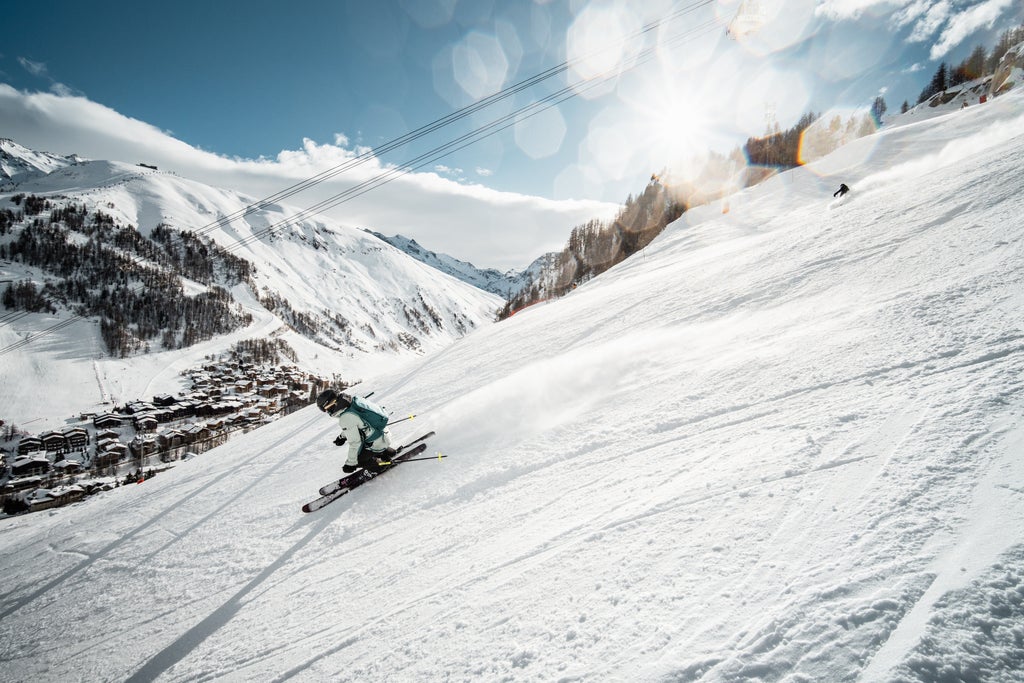
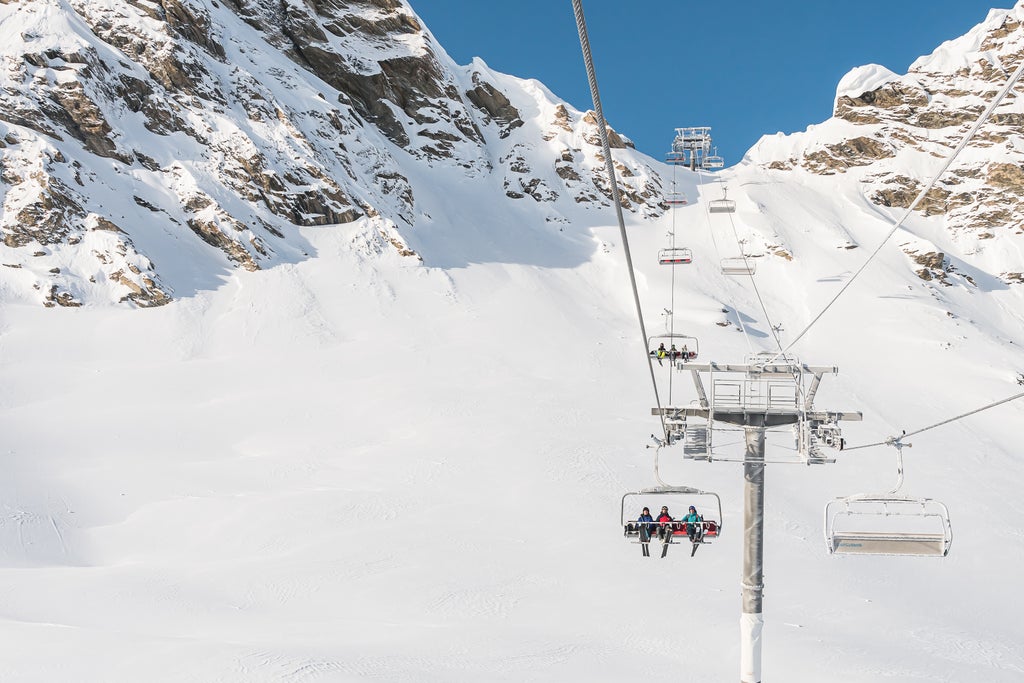
Val d’Isère is located in the Tarentaise Valley in the French Alps, forming part of the renowned Espace Killy ski area. With 1,000 hectares of skiable terrain, 78 pistes and 41 lifts, the resort offers a high-altitude experience with a summit reaching 3,456 m and a vertical drop of 1,606 m. Snow reliability is excellent, with an average annual snowfall of 581 cm and extensive snowmaking across key sectors.
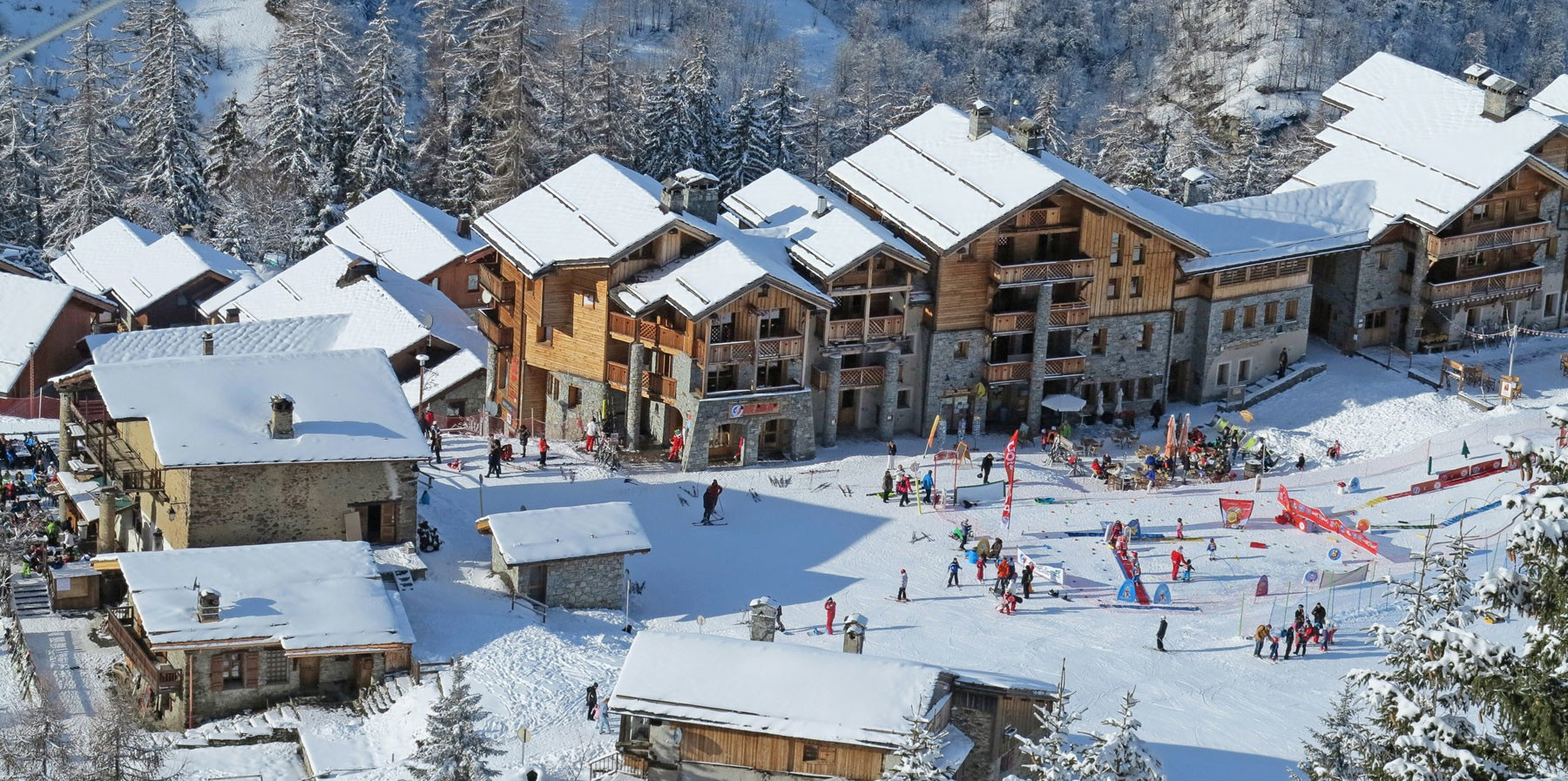
Families are well catered for with beginner zones near the village, dedicated ski schools, and a children’s snow park. The resort’s terrain is varied, with 15% beginner runs, 40% intermediate, 31% advanced and 14% expert, ensuring a balanced offering for all skill levels. The longest run stretches 10 km from the glacier to the valley floor, providing a scenic descent through open alpine terrain.
Visitors choose Val d’Isère for its blend of challenging skiing, vibrant village life and dramatic alpine scenery. Whether tackling the Olympic Face de Bellevarde or enjoying après-ski in the historic centre, the resort delivers a refined mountain experience with world-class infrastructure and authentic Savoyard charm.
Val d'Isère
- Projected Opening
- Nov 28
- Projected Closing
- May 02
- Lifts
- 37
- Trails
- 78
- Skiable Terrain
- 1,000 ha
- Base
- 1,850m
- Summit
- 3,456m
- Vertical Drop
- 1,606m
- Average Snowfall
- 571cm
- Nov82cm
- Dec131cm
- Jan135cm
- Feb96cm
- Mar78cm
- Apr71cm
Plan Your Trip
Transportation
Reaching Val d’Isère is straightforward, with several transport options tailored to the needs of international and domestic travellers. The most convenient airports are Chambéry (145 km), Geneva (180 km), Lyon (220 km), and Grenoble (210 km), all of which are serviced by a wide range of airlines and offer efficient road connections to the resort. From the airports, travellers can choose between private transfers, shared shuttle services, or car hire. For those arriving by train, the nearest major station is Bourg-Saint-Maurice, just 30 km from Val d’Isère, with direct connections from Paris and Lyon. From there, buses and taxis are available for the final leg of the journey.
Coach services such as Altibus and Ben’s Bus operate regular routes during the winter season, offering an affordable and comfortable alternative for those not hiring a car. The drive to Val d’Isère is scenic and accessible, with well-maintained mountain roads leading up from Bourg-Saint-Maurice. In resort, a free shuttle bus circulates regularly between different parts of the village and ski lifts, making it easy to get around without a car. For British travellers seeking the best combination of value and convenience, flying into Geneva and booking a shared transfer often works out to be the most cost-effective and hassle-free option.
Important Dates
- Projected opening dateNov 28, 2026
- Projected closing dateMay 02, 2027
- Projected Days Open155
- Days Open Last Year155
- Years Open92
- Average Snowfall571cm
Val d’Isère, paired with neighbouring Tignes, forms one of Europe’s most iconic ski areas — a dynamic playground of varied slopes and breathtaking alpine scenery. The resort itself boasts 152 km of skiable terrain, with a vertical drop of over 1600 m stretching from the summit of Pointe du Montet at 3456 m down to the base at 1850 m. From wide, open bowls to challenging descents and everything in between, the resort delivers something for every type of skier. The lift infrastructure is among the most modern in the Alps, with a mix of gondolas, high-speed chairs, and surface lifts providing efficient access across the mountain.
Beginners are well catered for in Val d’Isère, particularly around the base areas near Solaise and La Daille. These zones offer gentle green pistes, magic carpets, and dedicated beginner slopes designed to build confidence at a steady pace. The redesigned Solaise area now includes a covered surface lift and a beginner-friendly café, making it an ideal spot for families and first-timers. Blue pistes from the top of the Madeleine Express offer easy progression once skiers are ready to leave the nursery slopes behind.
Intermediate skiers will find endless enjoyment on the long blue and red pistes that criss-cross the Solaise and Bellevarde sectors. The runs down towards the village from the top of Toviere provide spectacular scenery and consistent gradients perfect for carving. One of the highlights for this level is the Col de l'Iseran area, where panoramic views accompany long, satisfying descents.
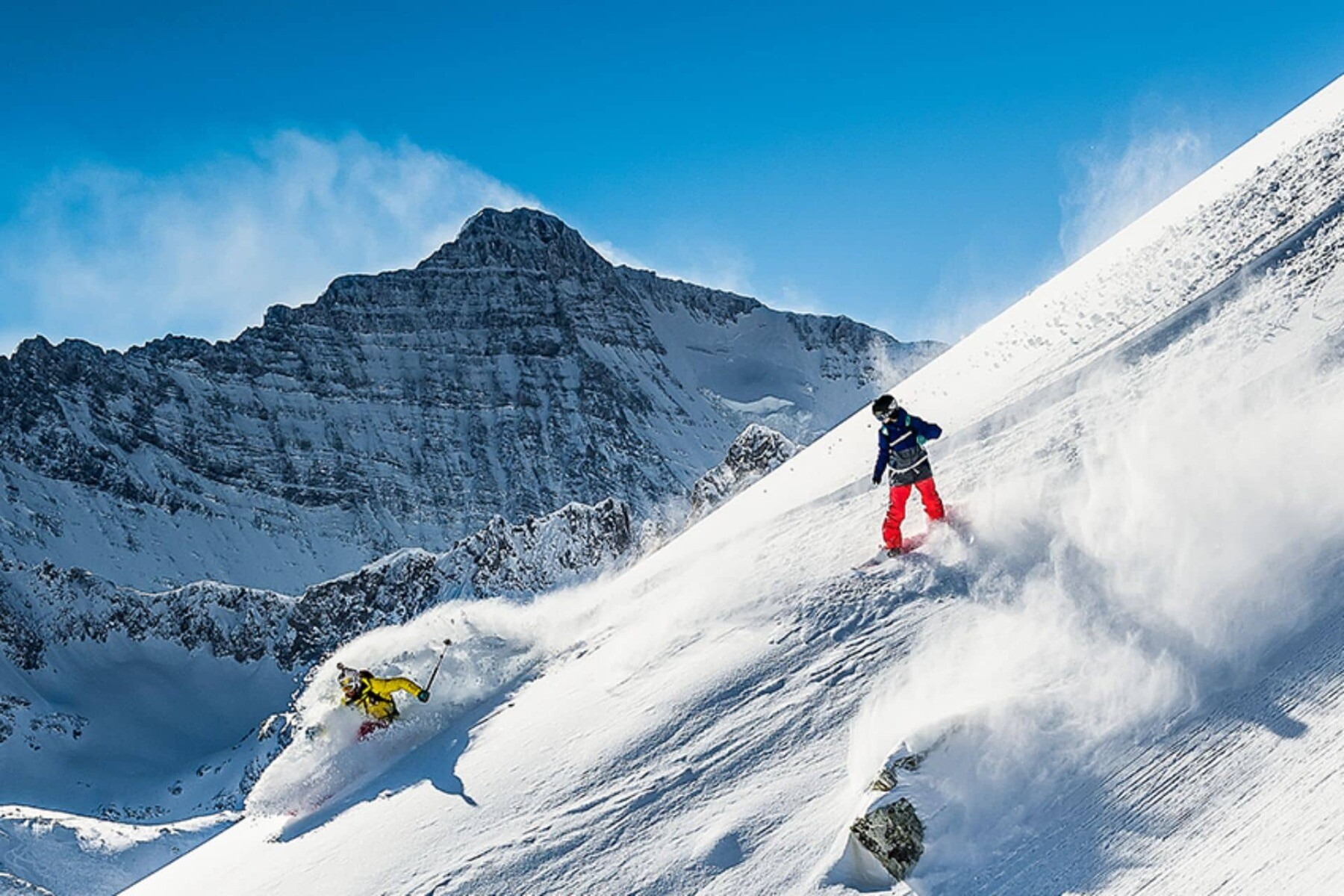
Advanced and expert skiers are drawn to Val d’Isère for its steep and technical pistes, with 45% of terrain classified as advanced or expert. The Face de Bellevarde, used in World Cup races, offers a formidable black run with tight turns and dramatic drops. For an added thrill, the black piste from the Leissières ridge provides both challenge and scenery as it weaves along the narrow crest between two valleys. Off the marked pistes, there are numerous high-mountain descents that reward experience and confidence, especially following fresh snowfall.
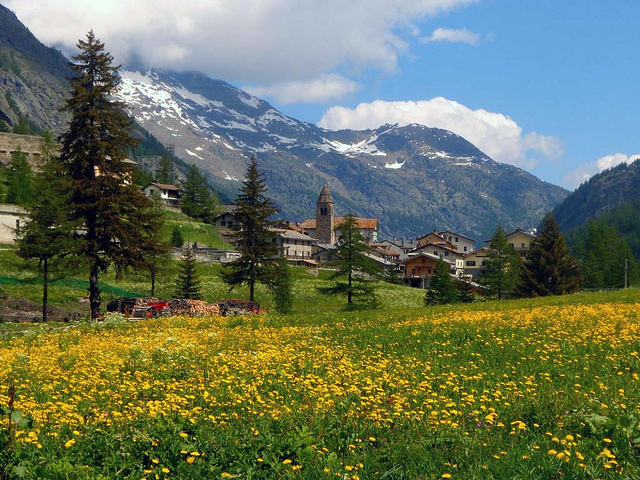
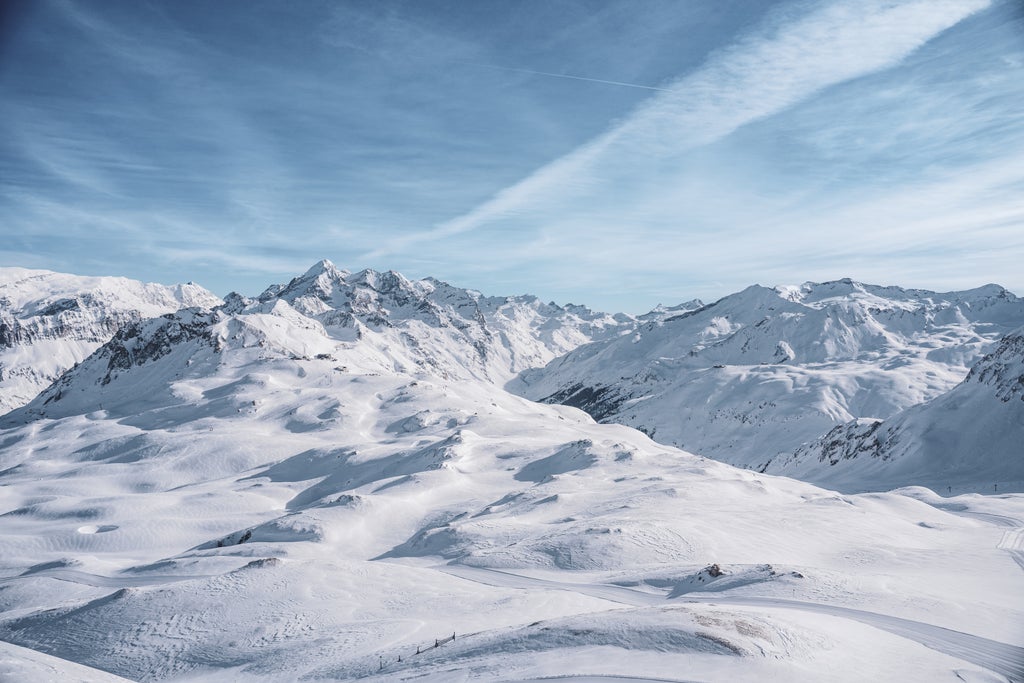
Val d’Isère’s landscape is one of its greatest assets — an expansive mix of high-altitude ridges, dramatic couloirs, and broad open slopes. The glacier area above Le Fornet ensures snow-sure skiing deep into spring, while lower wooded sections near La Daille are great for visibility during snowy days. The variety of settings makes the skiing here not just physically rewarding, but visually captivating too.
Terrain
Lifts
37Inside Scoop
Mid-January is one of Val d’Isère’s sweet spots — after the New Year rush and before the February holidays kick off. Slopes are quieter, snow quality is typically top-notch, and savvy skiers take advantage of better accommodation deals. Early birds queue at the Olympique lift to catch the first ride up Bellevarde, setting the pace for a full day on corduroy. Powder seekers often head straight for Le Fornet, where the high altitude and north-facing aspect preserve light, fresh snow well after storms have passed.
One of our favorite areas for intermediates is the sprawling zone between the Pissaillas glacier (3,488m) and La Solaise. It’s a scenic playground of red and blue pistes, perfect for cruising or lapping with friends. Even beginners can reach great heights at the Glacier de Pissaillas thanks to its accessible greens and blues — a rare chance to enjoy glacier views without needing expert skills. When the central slopes get busier around midday, steer toward the quieter runs near Col de l’Iseran or ride the often-overlooked Pyramides lift to reach some beautiful, less-tracked reds. For a low-key lunch, a small hut near the Cascade Express serves excellent tartiflette and hot chocolate at a fraction of typical mountain prices.
Après-ski in Val d’Isère doesn’t have to mean squeezing into La Folie Douce’s crowded terrace — although its music-fueled afternoon party scene near the top of the La Daille gondola remains a magnet for the energetic. If you're staying in Tignes, just don’t miss the last lift at 5 p.m., or it’s a long journey back by bus. For a more relaxed vibe, locals favor Le Garage or Baraque in town, where you can actually hear your company and enjoy a drink without breaking the bank. And if you time it right, taking the last Solaise gondola ride for a golden-hour view from the mountaintop platform offers a sunset moment that feels like your own private après.
Reviews
All Reviews »A place where absurdity reaches Olympic levels, and skiing is just an excuse for a hedonistic orgy in a snowy paradise. Slopes: as wide as an influencer's ego If you think you've seen well-groomed slopes, Val d'Isère will make you feel like an amateur. The slopes are so wide, perfect, and smooth,…